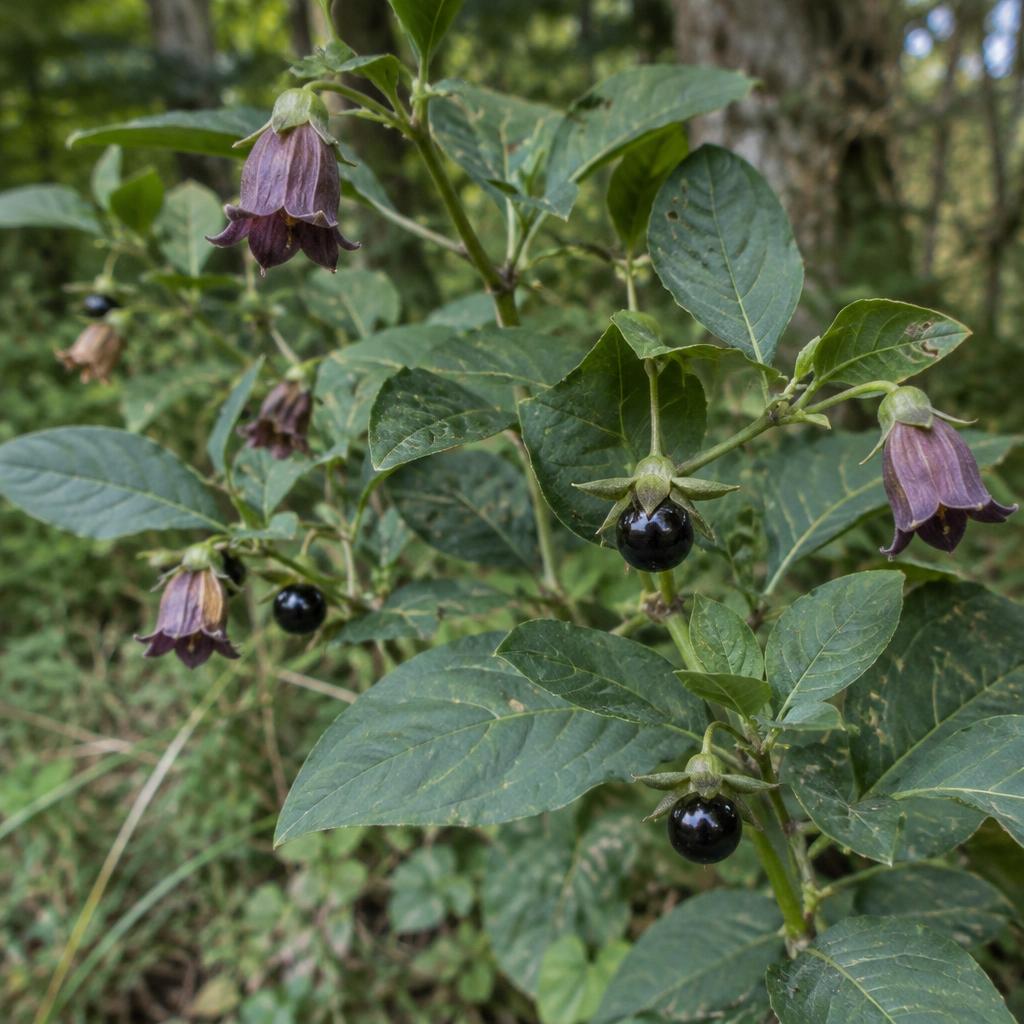
Deadly nightshade
SevereAtropa belladonna
Toxic parts: Berries, leaves and roots
Tropane alkaloids cause blurred vision, racing heartbeat, hallucinations, seizures and death.

PlantBetter Wiki
Plants that are poisonous to people — what their toxic parts look like and what happens if they are eaten. Many grow in homes, gardens and hedgerows, and some are mistaken for edible lookalikes.
If someone may have eaten a toxic plant, call Poison Control right away at 1-800-222-1222 (US). In the UK call 111. Do not wait for symptoms — and keep a sample of the plant for identification.
Even small amounts can cause life-threatening poisoning. Call emergency services or Poison Control (1-800-222-1222 in the US) immediately if any part is eaten.
Atropa belladonna
Toxic parts: Berries, leaves and roots
Tropane alkaloids cause blurred vision, racing heartbeat, hallucinations, seizures and death.
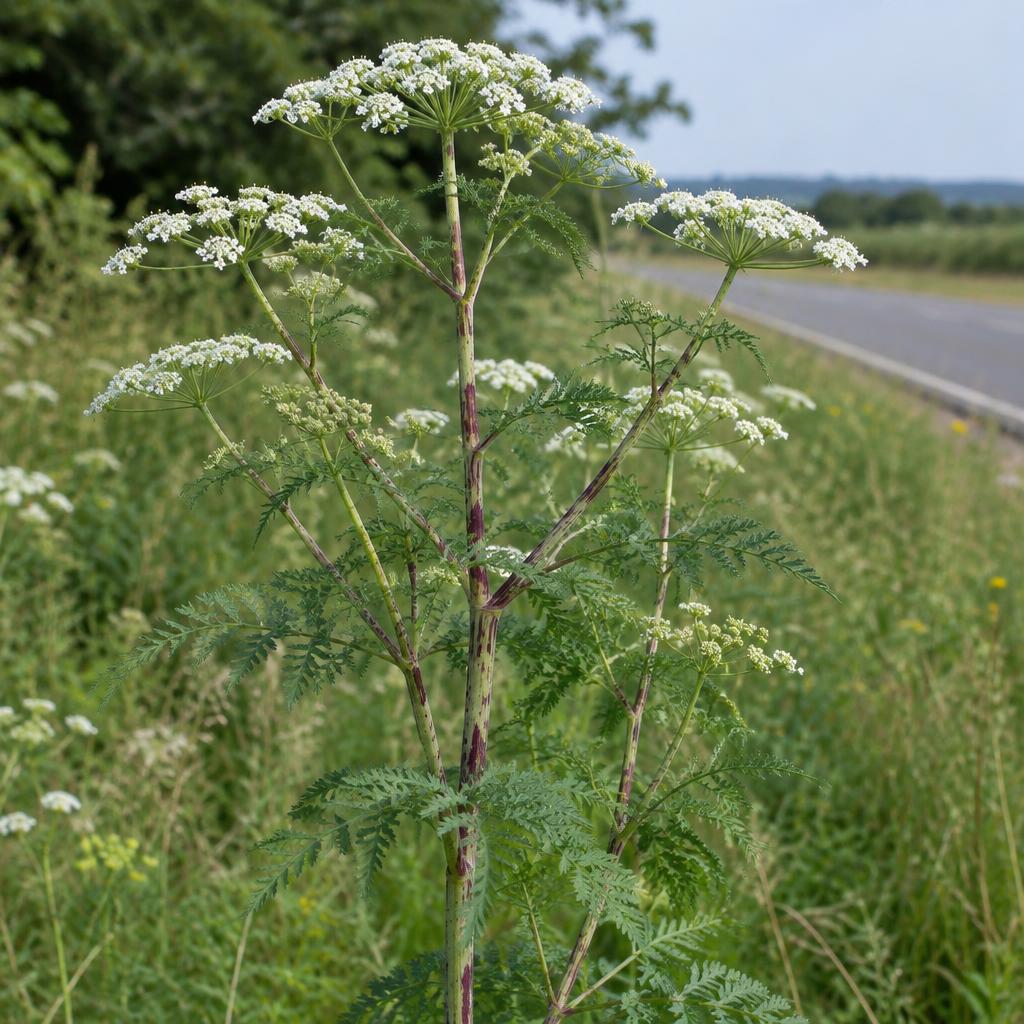
Conium maculatum
Toxic parts: All parts, especially the seeds
Coniine causes progressive paralysis — it shuts down the muscles that keep you breathing. Often mistaken for wild carrot or parsley.
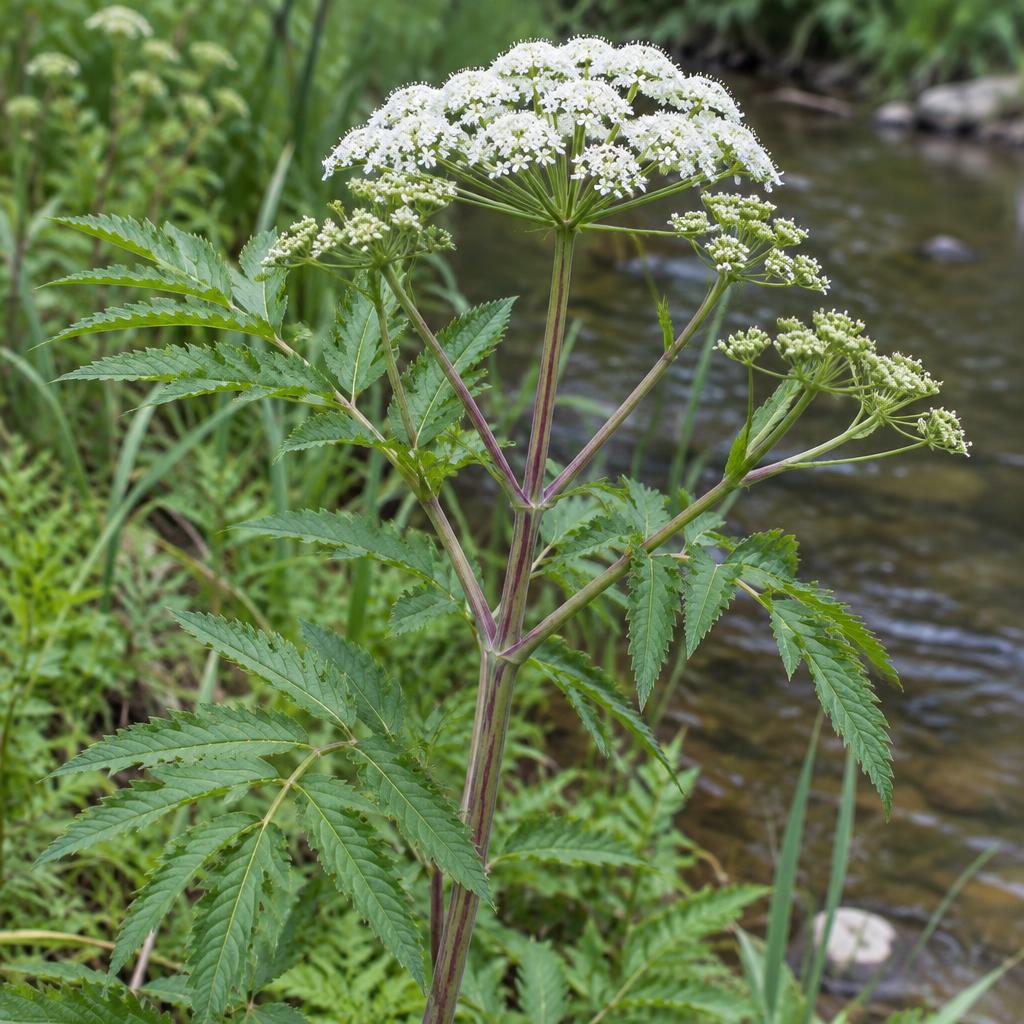
Cicuta maculata
Toxic parts: All parts, above all the roots
Cicutoxin triggers violent, uncontrollable seizures that can kill within hours. Widely called North America's most poisonous plant.
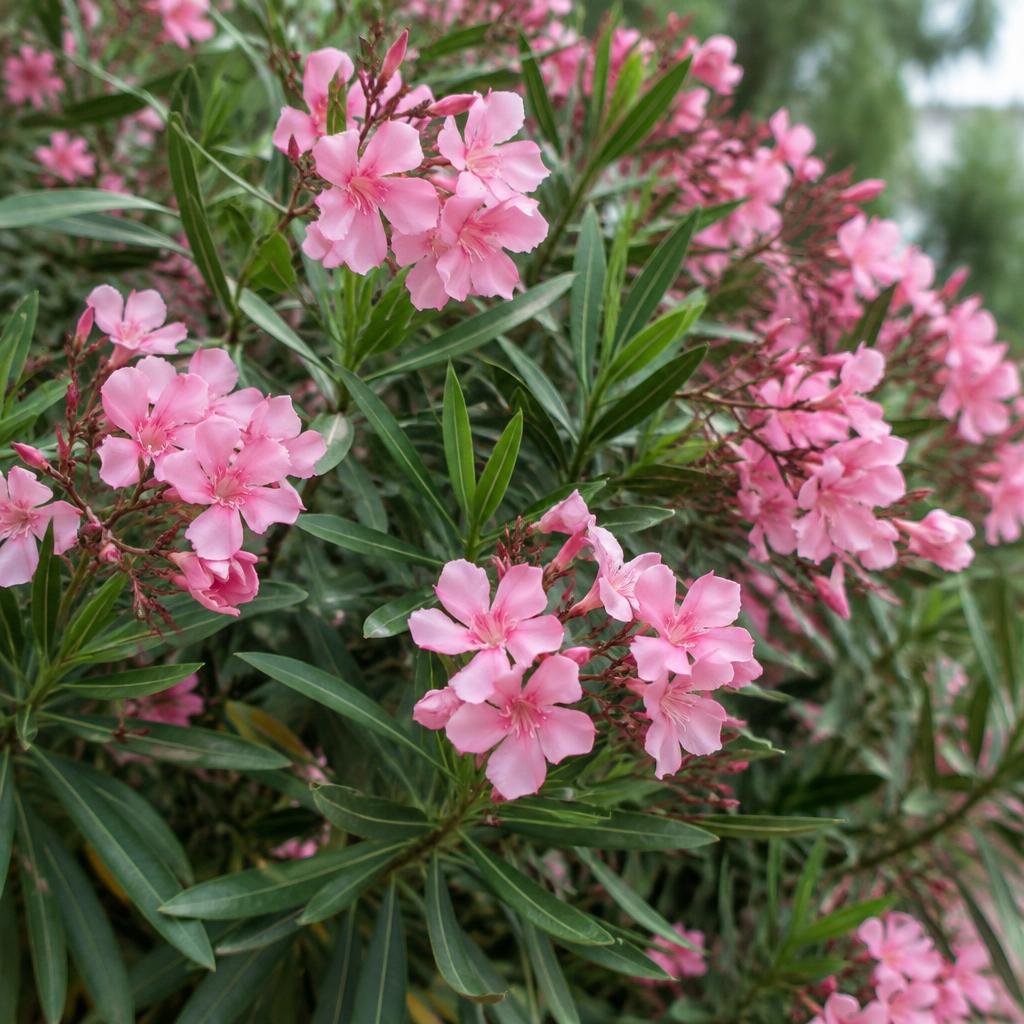
Nerium oleander
Toxic parts: Every part, including smoke from burning it and water in its vase
Cardiac glycosides disrupt the heart's rhythm; a few leaves have been fatal.
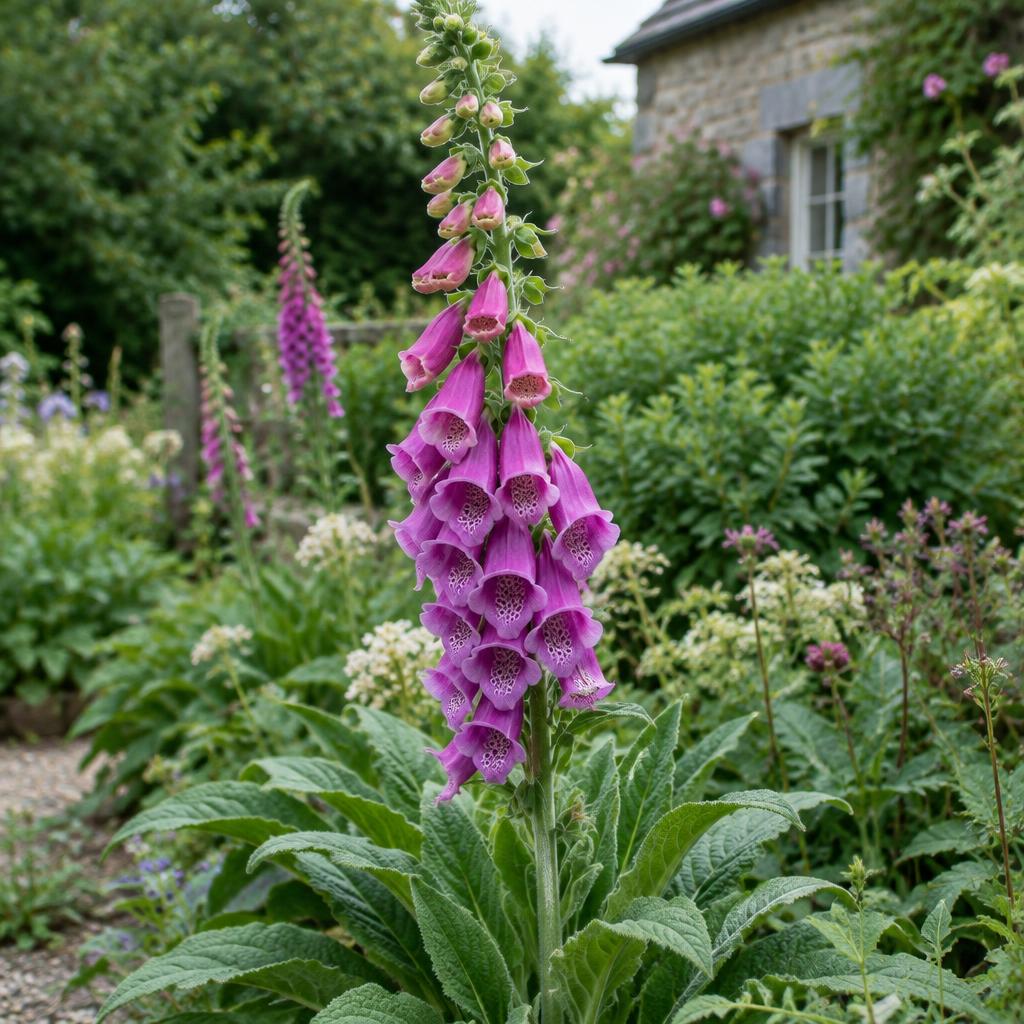
Digitalis purpurea
Toxic parts: All parts, including the flowers and seeds
Digoxin-like compounds can stop the heart. Confused with comfrey or borage by foragers, with deadly results.
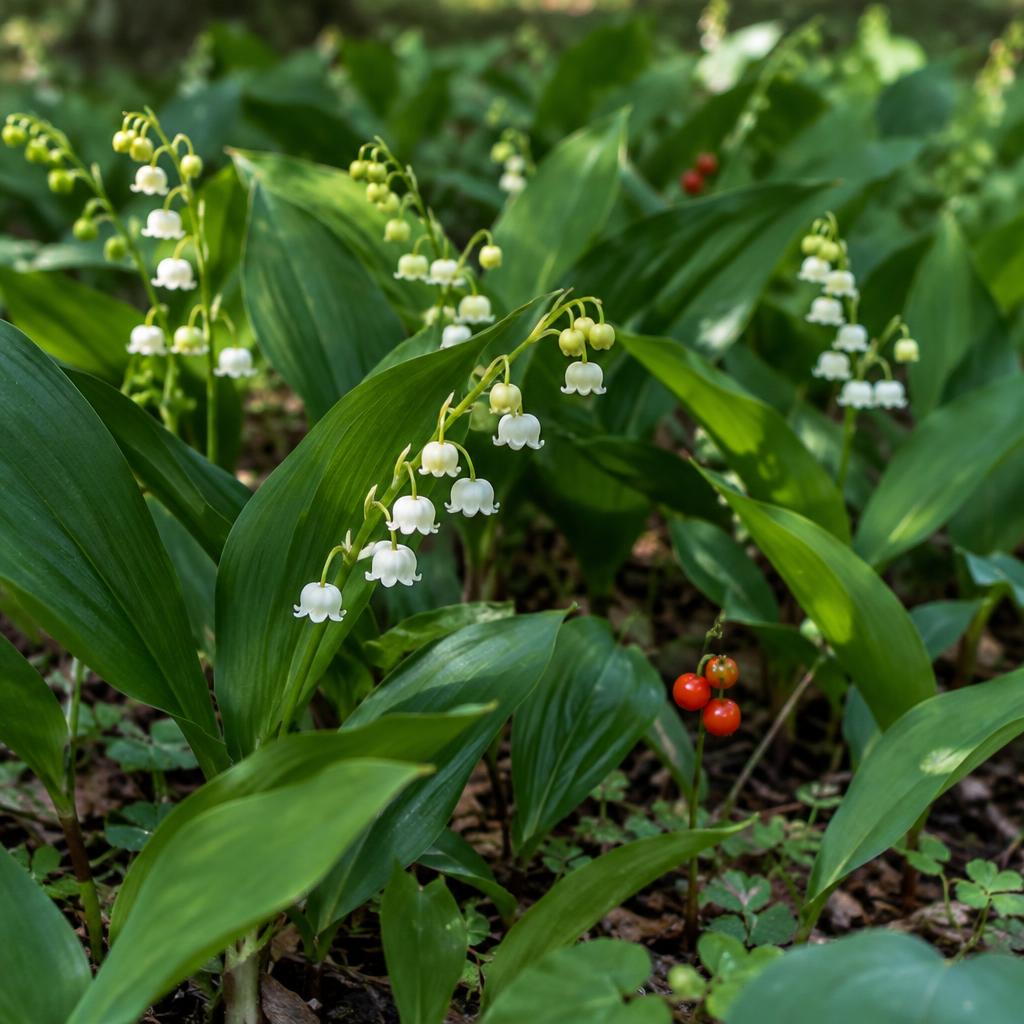
Convallaria majalis
Toxic parts: All parts, including the water cut stems stood in
Cardiac glycosides cause dangerous heart arrhythmia — just a few berries or leaves can poison a child.
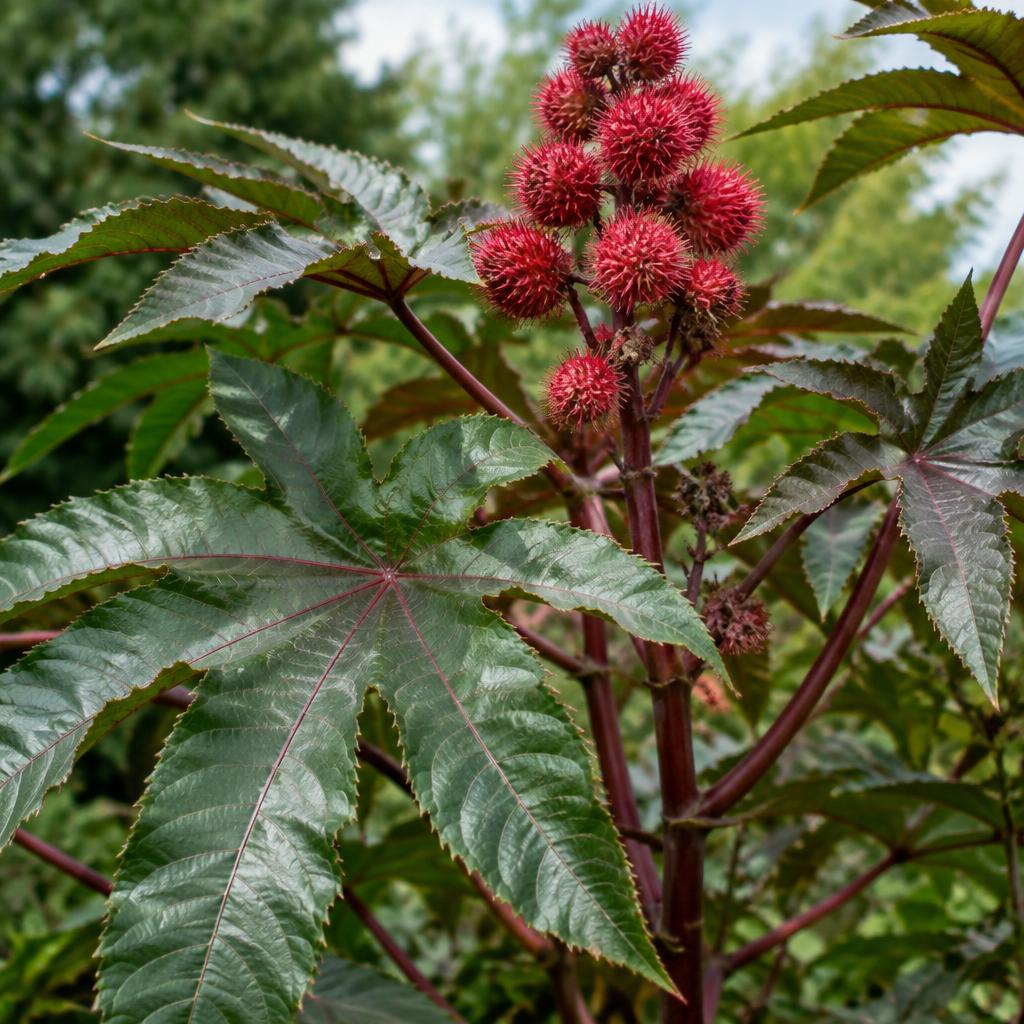
Ricinus communis
Toxic parts: Chewed seeds (whole swallowed seeds usually pass through)
Ricin is one of the most potent plant toxins known; chewing a handful of seeds can be fatal days later.
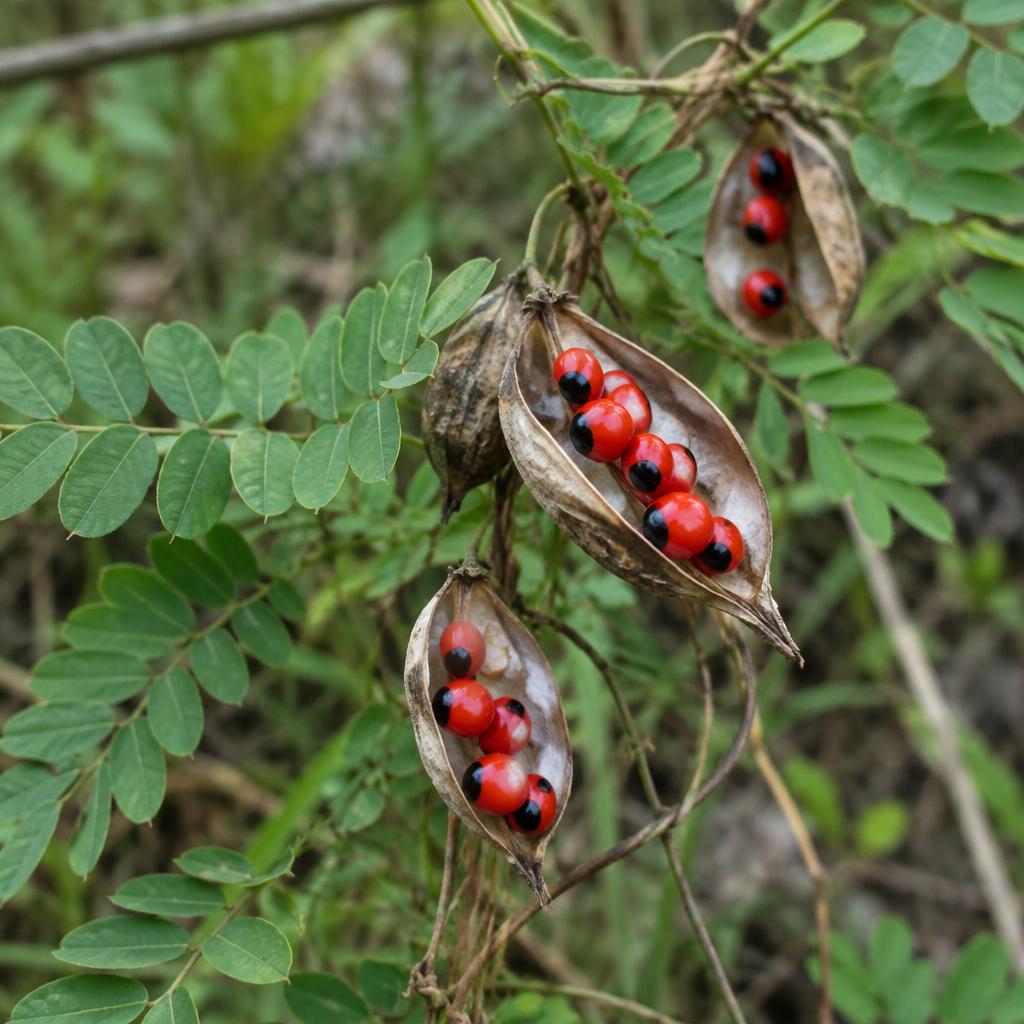
Abrus precatorius
Toxic parts: Chewed seeds — intact seeds are used as beads
Abrin is even more toxic than ricin by weight; a single chewed seed can kill an adult.
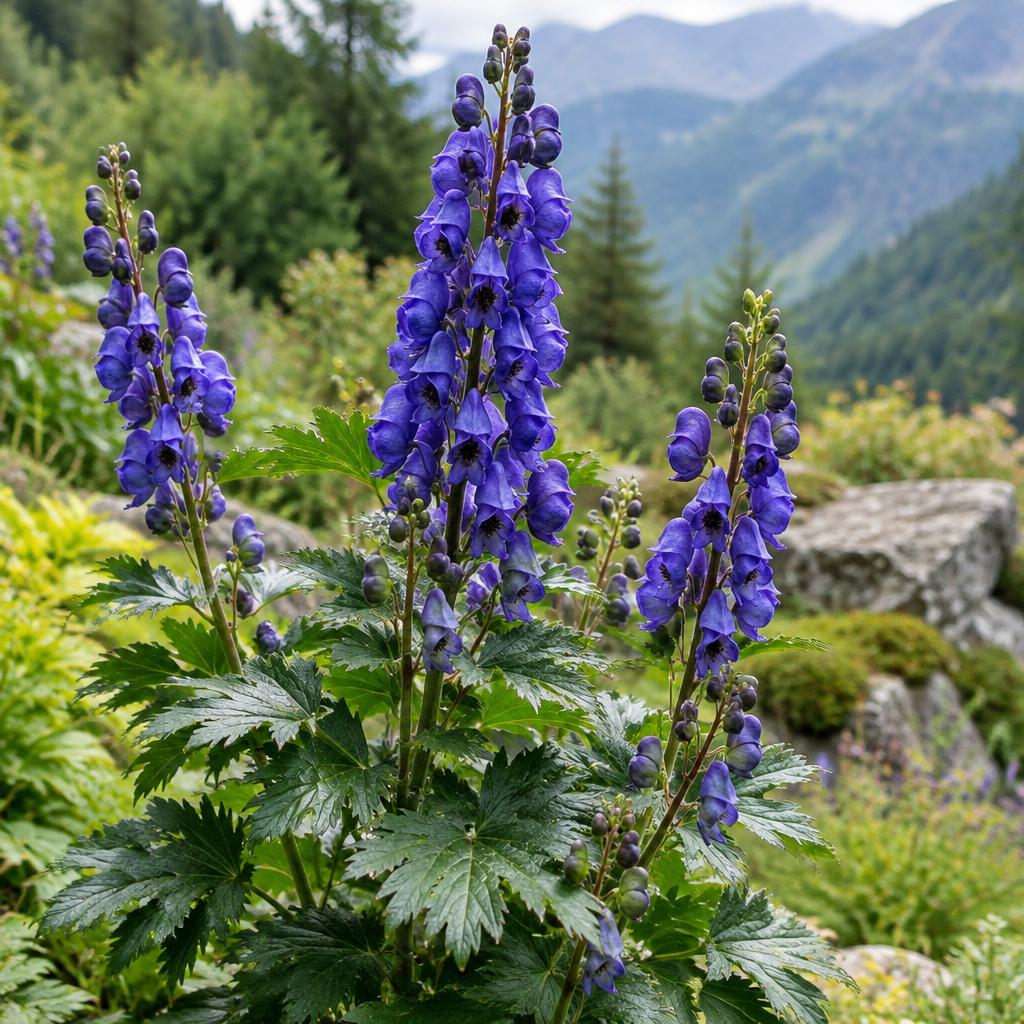
Aconitum napellus
Toxic parts: All parts, especially the tuberous roots
Aconitine numbs the mouth, then causes deadly heart arrhythmia — it can even poison through unbroken skin. Wear gloves.
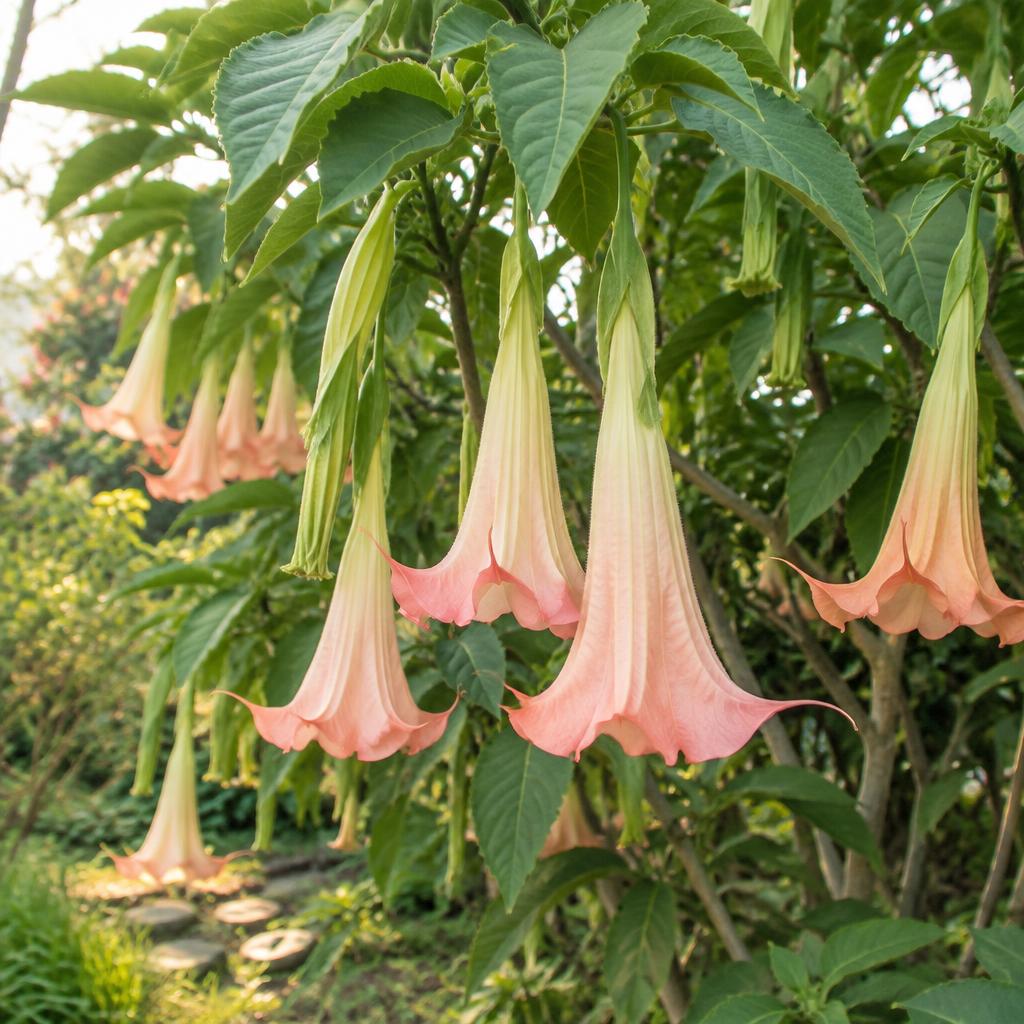
Brugmansia spp.
Toxic parts: All parts, especially flowers and seeds
Tropane alkaloids cause delirium, overheating and seizures; poisonings from ornamental gardens are not rare.
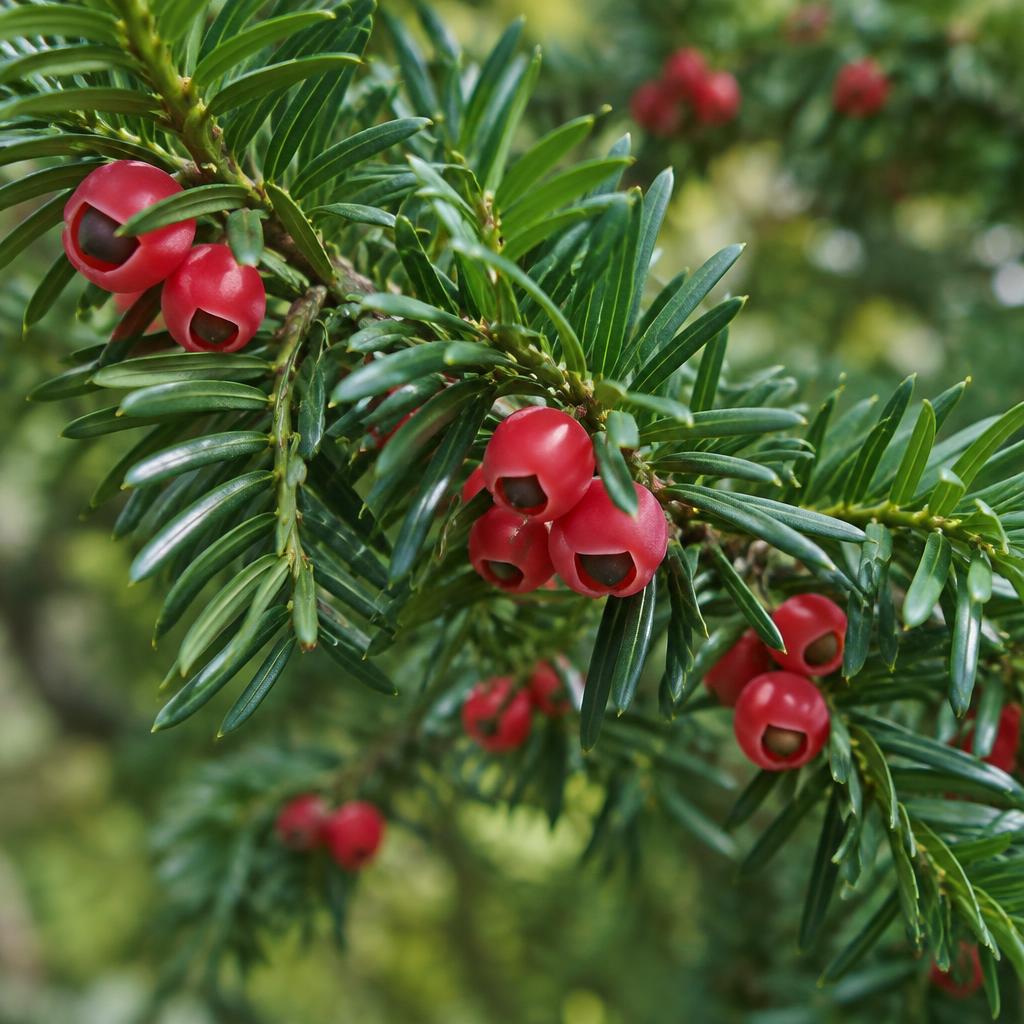
Taxus baccata
Toxic parts: Needles and the seed inside the red berry (the red flesh itself is not toxic)
Taxine alkaloids cause sudden heart failure, sometimes with little warning.
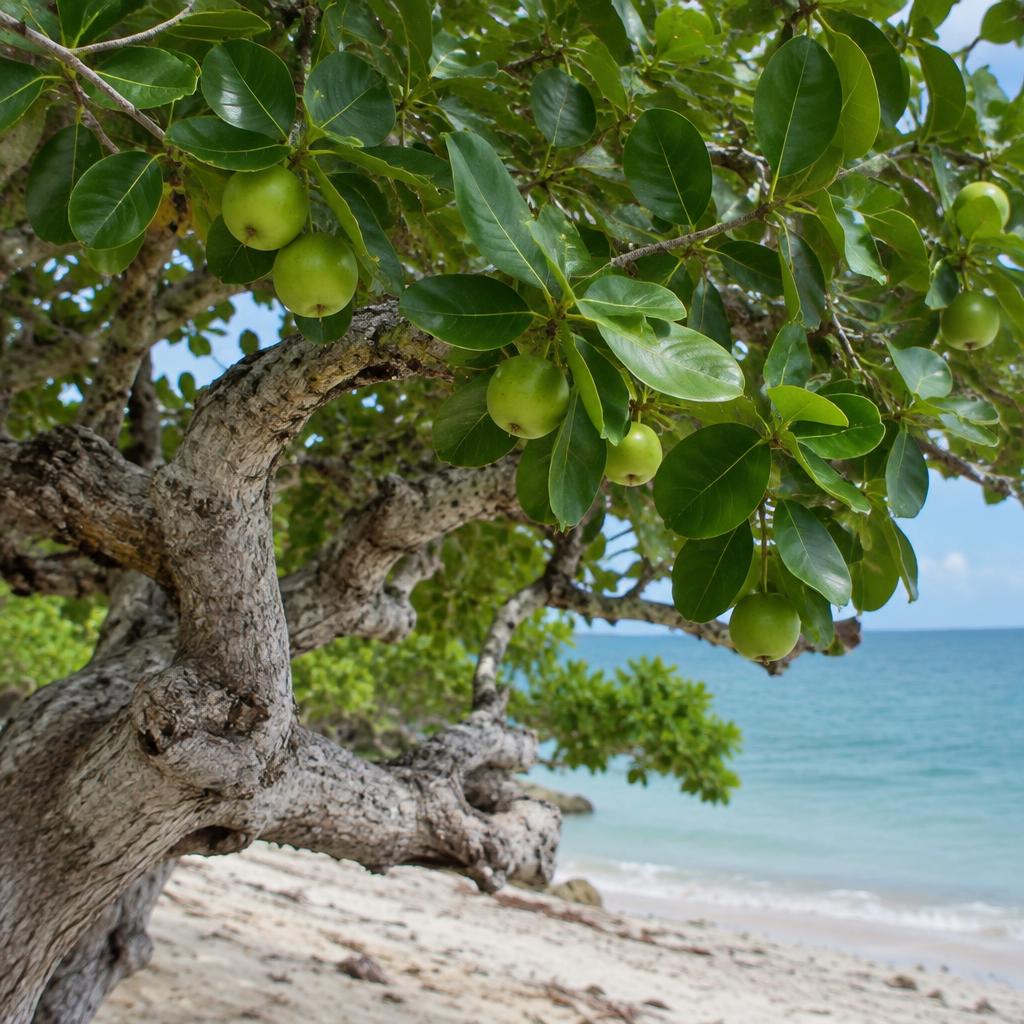
Hippomane mancinella
Toxic parts: Fruit, sap, bark and even smoke from its burning wood
The 'little apple of death' causes severe internal burns; rain dripping off the tree blisters skin. Found on Caribbean and Florida coasts.
Eating these plants causes significant illness. Contact Poison Control for guidance, especially for children or large amounts.
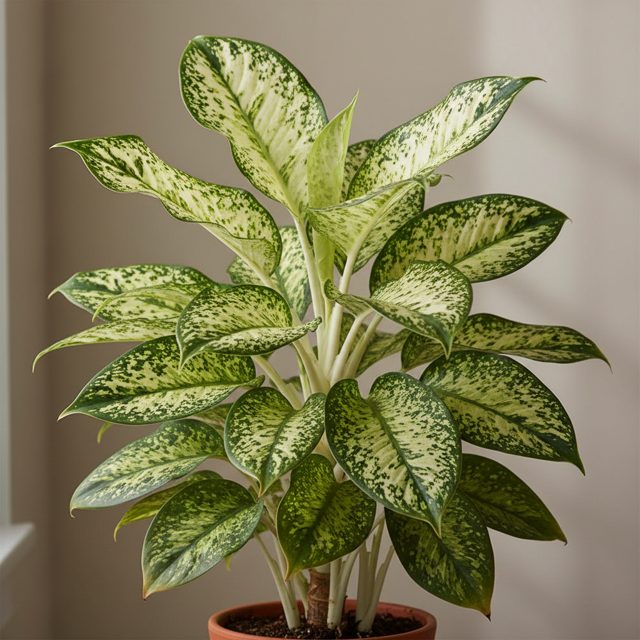
Dieffenbachia seguine
Toxic parts: Stems and leaves
Calcium oxalate crystals cause burning, swelling and drooling; severe swelling can block the airway.
See its care guide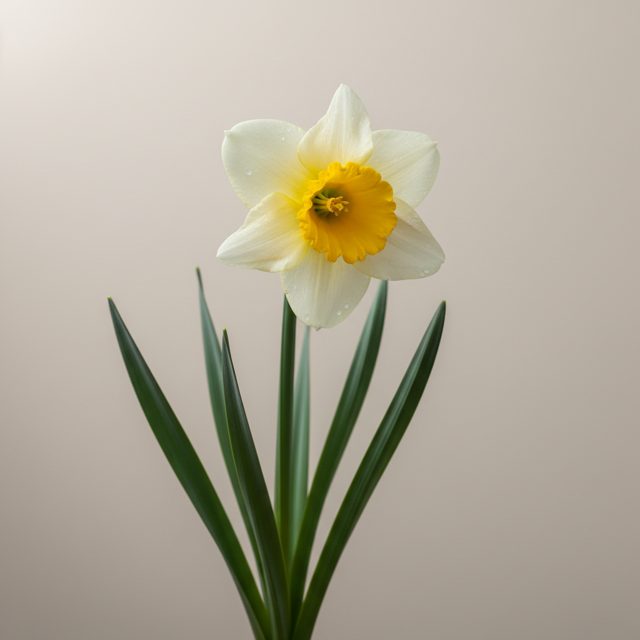
Narcissus spp.
Toxic parts: Bulbs above all; leaves and flowers also
Vomiting, diarrhea and trembling; large amounts of bulb can affect the heart. Florists get skin sores from the sap.
See its care guide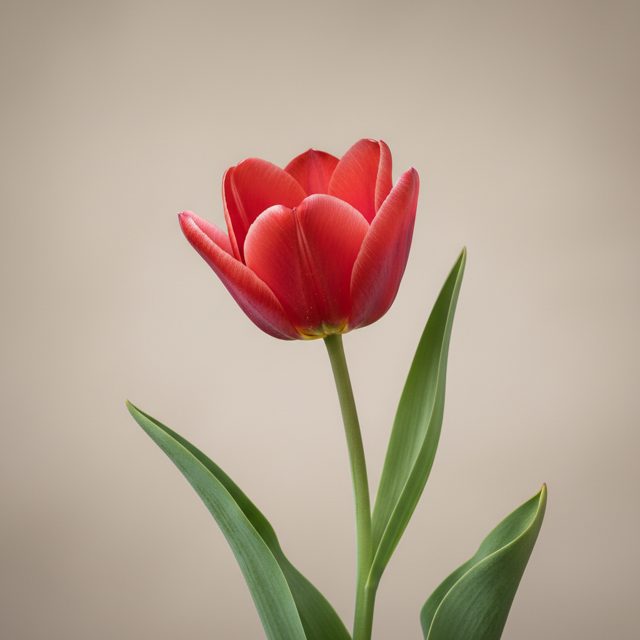
Tulipa spp.
Toxic parts: Bulbs above all; leaves and flowers also
Tulipalin irritates the mouth and stomach and causes vomiting; handling bulbs can trigger contact dermatitis.
See its care guide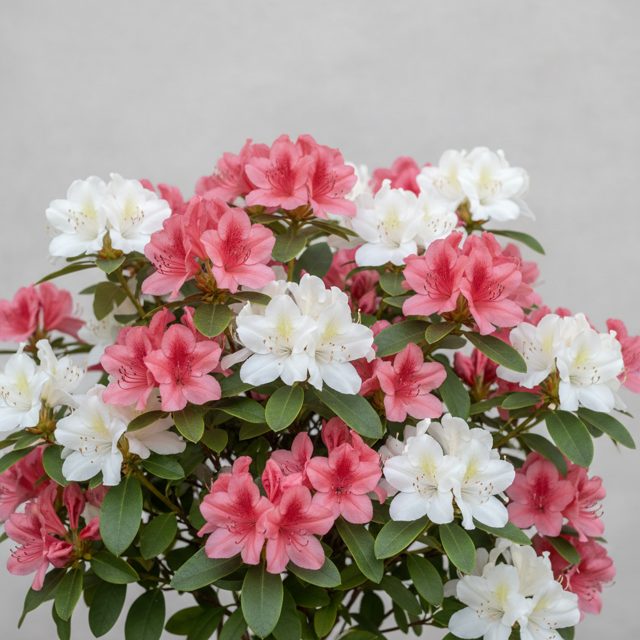
Rhododendron spp.
Toxic parts: Leaves, flowers and nectar (incl. 'mad honey' from rhododendron nectar)
Grayanotoxins cause burning, vomiting, low blood pressure and irregular heartbeat.
See its care guide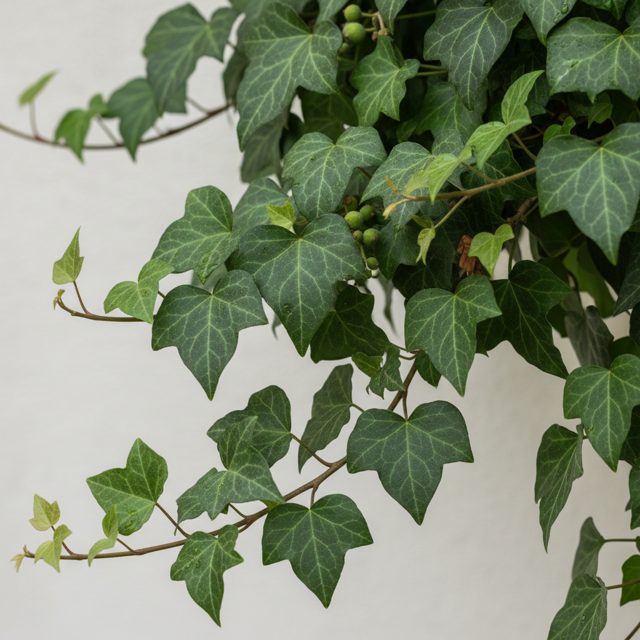
Hedera helix
Toxic parts: Berries and leaves
Saponins burn the mouth and cause vomiting and diarrhea; sap also irritates skin.
See its care guide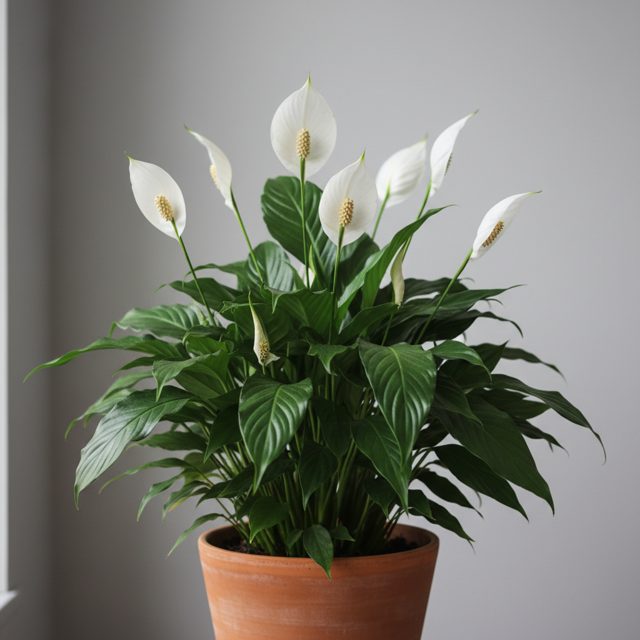
Spathiphyllum spp.
Toxic parts: All parts
Calcium oxalate crystals cause painful burning and swelling of the mouth and throat.
See its care guide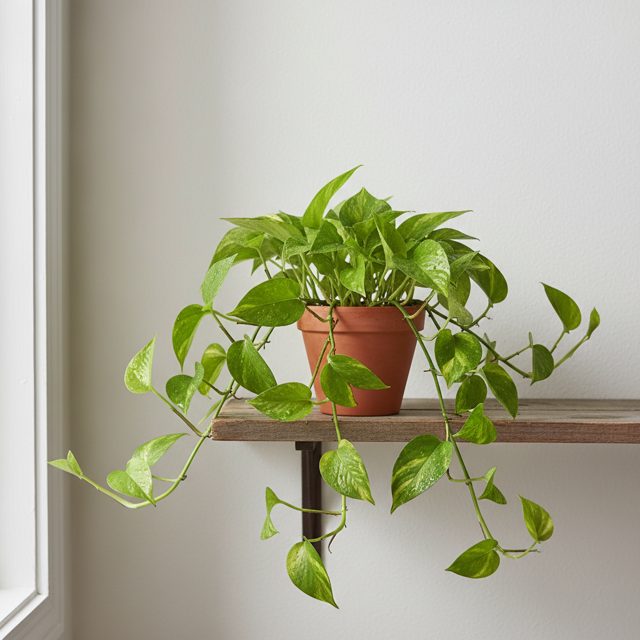
Epipremnum aureum
Toxic parts: Leaves and stems
Calcium oxalate crystals cause burning, mouth swelling and vomiting.
See its care guide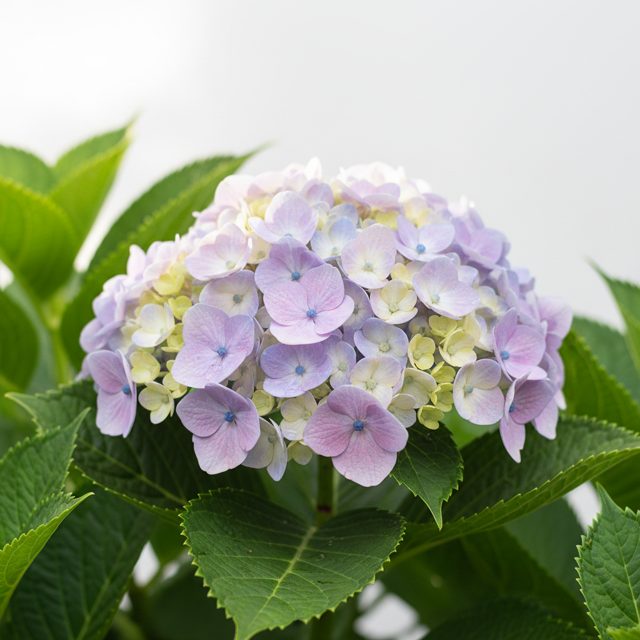
Hydrangea macrophylla
Toxic parts: Buds, leaves and flowers
Cyanogenic glycosides can release cyanide in the gut, causing dizziness, vomiting and shortness of breath.
See its care guide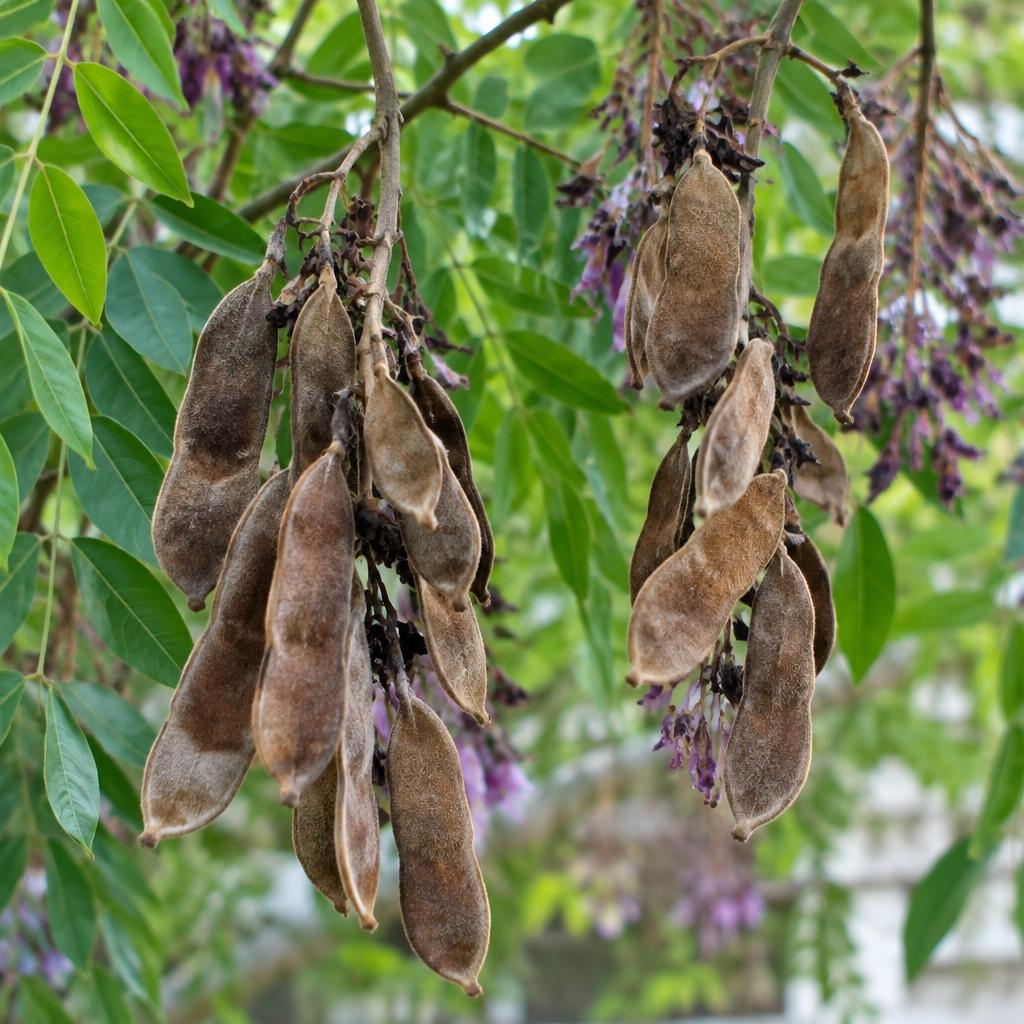
Wisteria spp.
Toxic parts: Seed pods and seeds; bark to a lesser degree
Lectins cause severe vomiting, diarrhea and dehydration — sometimes days after eating just a few seeds.
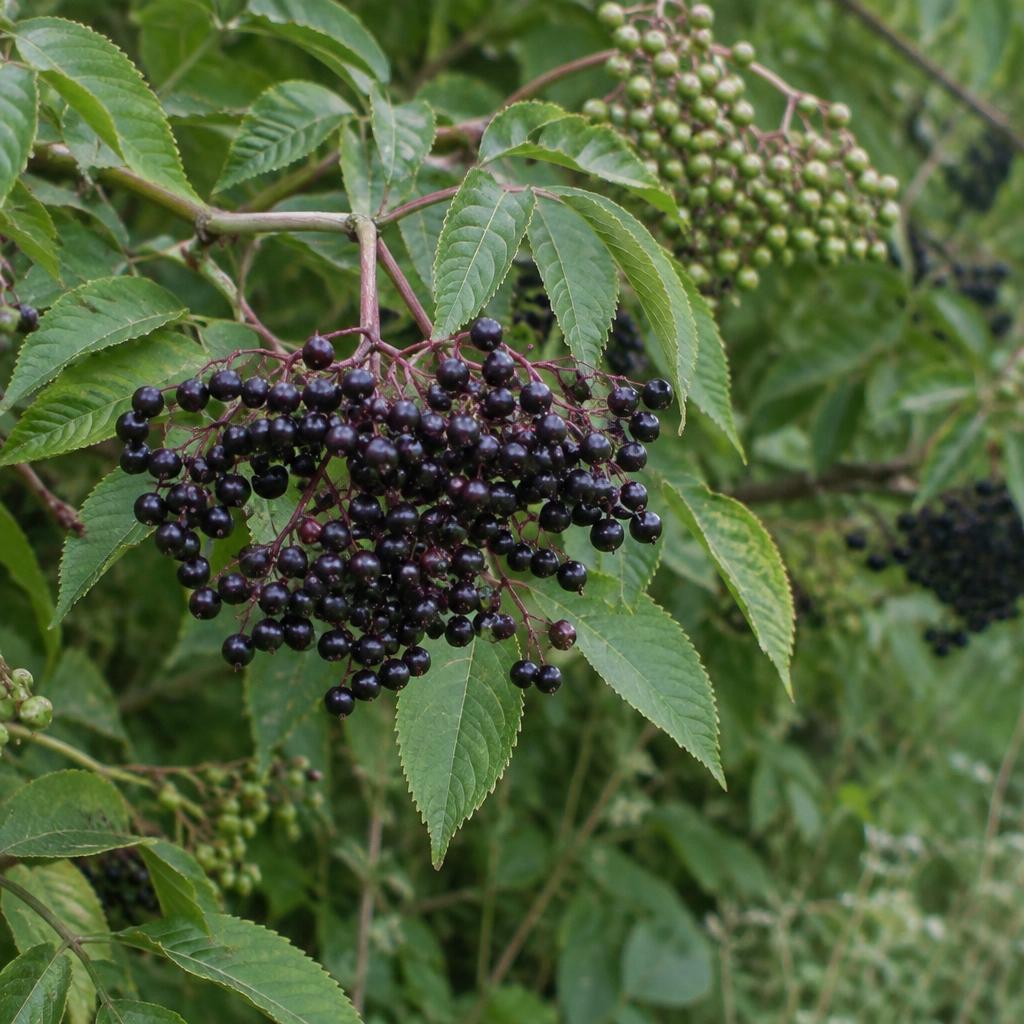
Sambucus spp.
Toxic parts: Unripe berries, leaves, stems, bark and roots
Cyanogenic glycosides cause nausea and vomiting; only fully ripe, cooked berries are safe to eat.
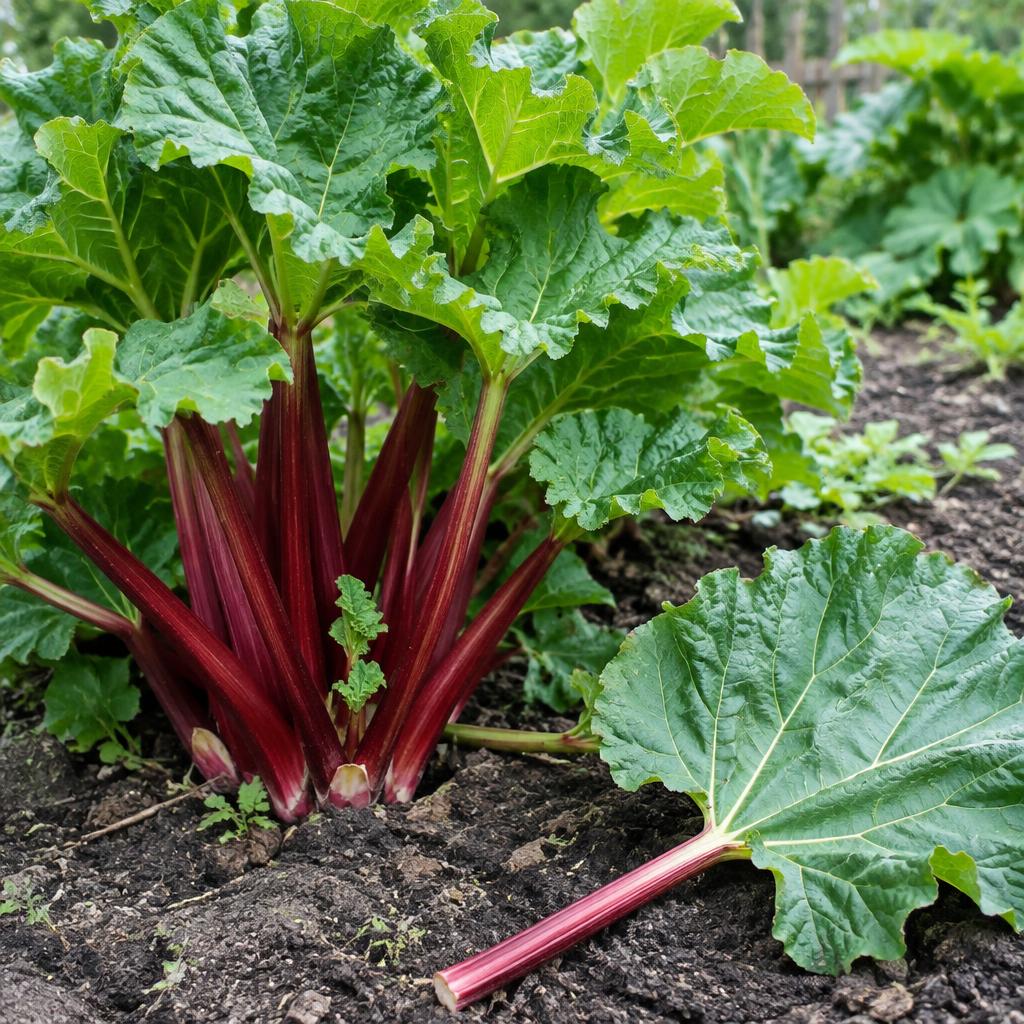
Rheum rhabarbarum
Toxic parts: Leaves (the stalks are safe)
Oxalic acid causes vomiting, kidney stones and, in large amounts, kidney damage.
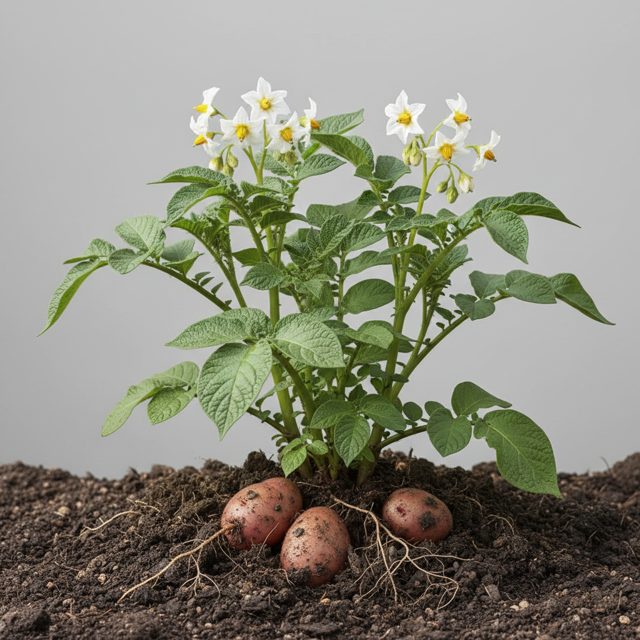
Solanum tuberosum
Toxic parts: Green or sprouted tubers, sprouts, leaves and stems
Solanine causes vomiting, diarrhea, headache and, in serious cases, confusion and weakness.
See its care guide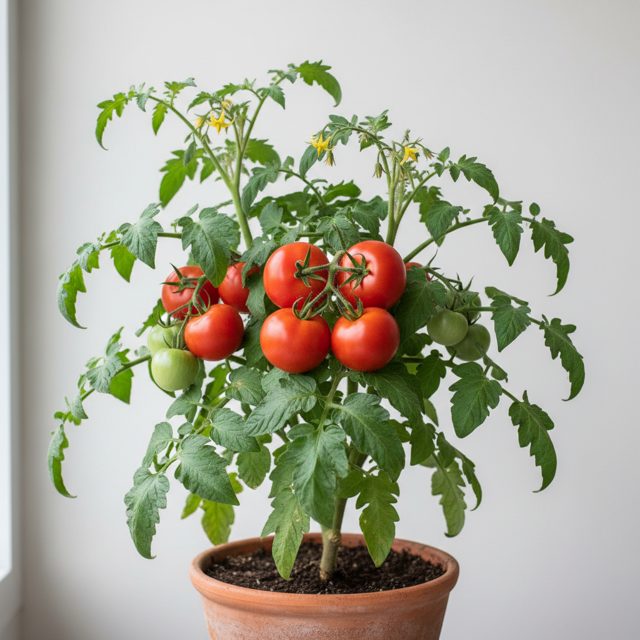
Solanum lycopersicum
Toxic parts: Leaves, stems and unripe green fruit
Tomatine and solanine cause vomiting and dizziness; ripe fruit is perfectly safe.
See its care guide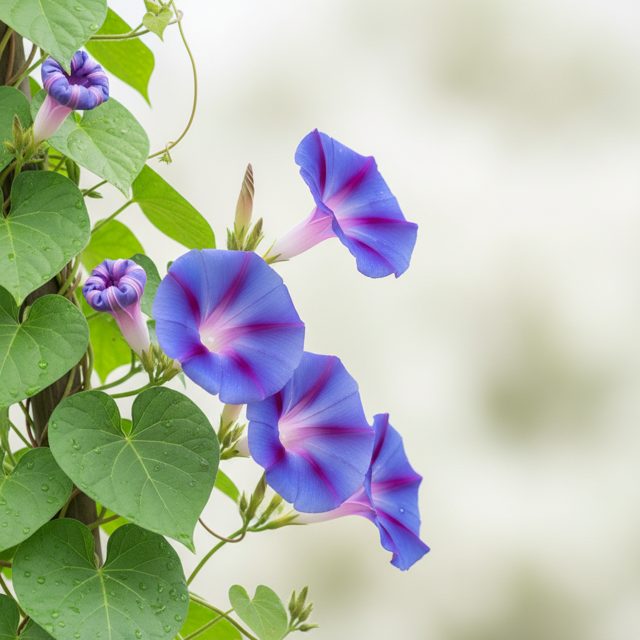
Ipomoea tricolor
Toxic parts: Seeds
Lysergic acid amides cause hallucinations, nausea and diarrhea — poisonings usually come from deliberately eaten seeds.
See its care guideUsually cause mouth or skin irritation and stomach upset. Rinse the mouth or skin and call Poison Control if symptoms persist.
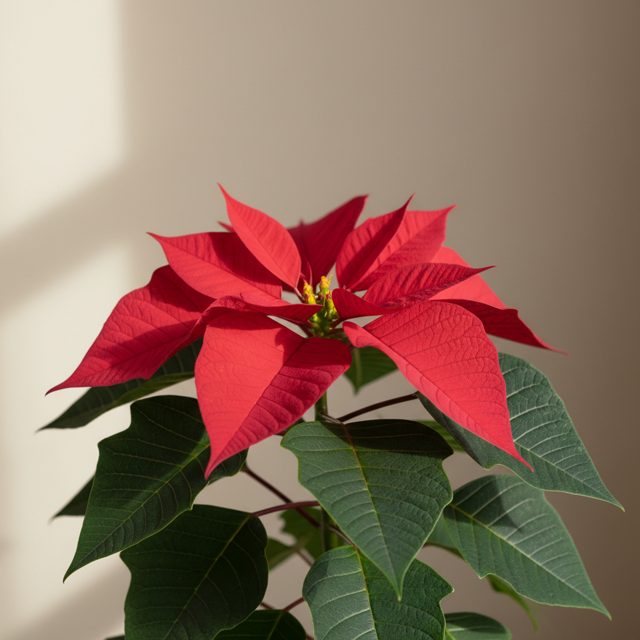
Euphorbia pulcherrima
Toxic parts: Milky sap in leaves and stems
Irritates the mouth and stomach and can inflame skin; its deadly reputation is a myth.
See its care guide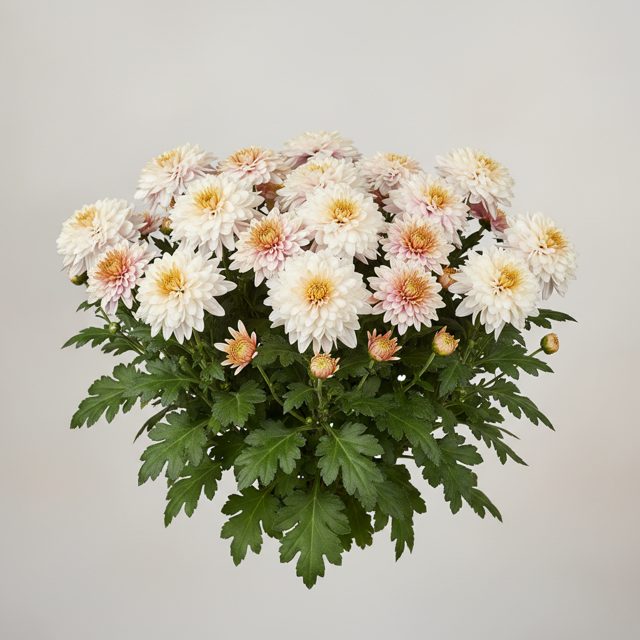
Chrysanthemum spp.
Toxic parts: Flower heads and leaves
Pyrethrins cause stomach upset and contact dermatitis in sensitive people.
See its care guide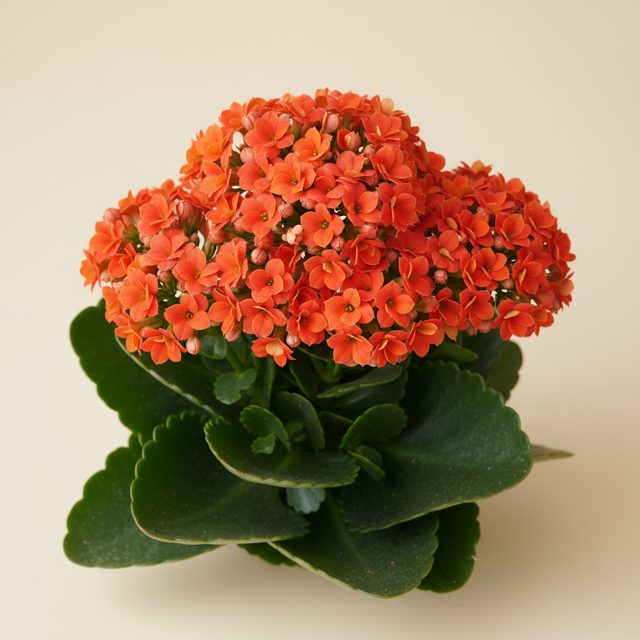
Kalanchoe blossfeldiana
Toxic parts: All parts
Usually vomiting and diarrhea; very large amounts can affect the heart.
See its care guide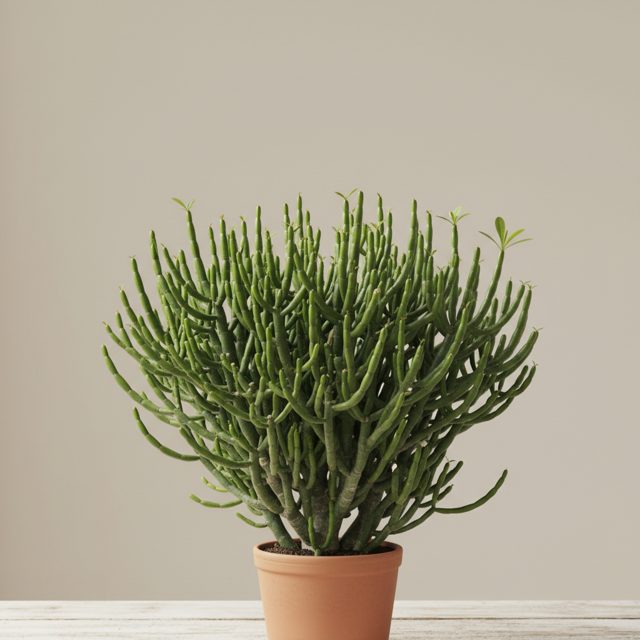
Euphorbia spp.
Toxic parts: Milky white sap
Burns and blisters the mouth, skin and eyes on contact.
See its care guide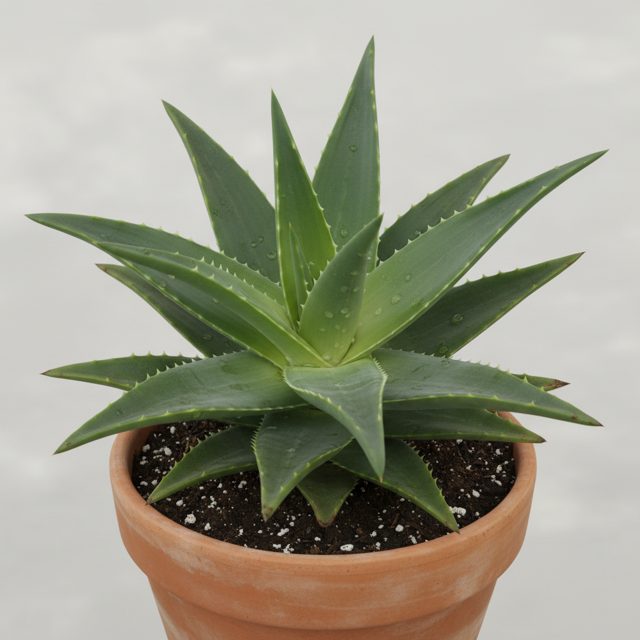
Aloe barbadensis
Toxic parts: The yellow latex layer under the skin (gel is safe)
Anthraquinones cause painful cramps and diarrhea; the latex is a laxative drug, not a food.
See its care guide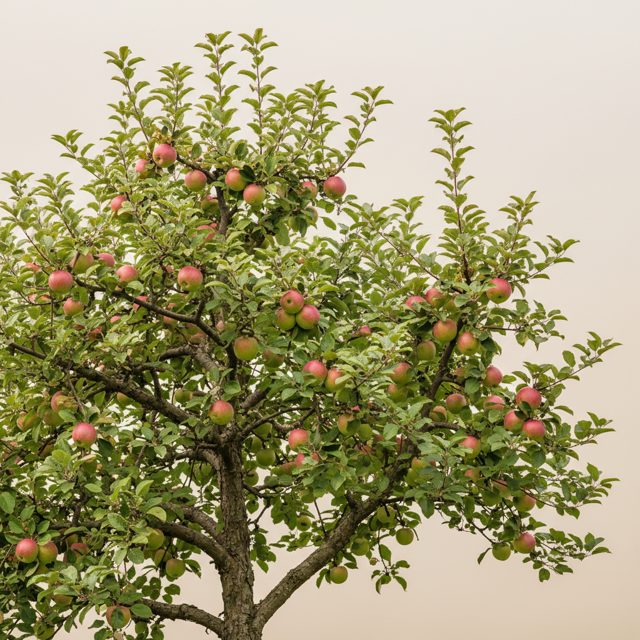
Malus domestica
Toxic parts: Seeds only (swallowed whole they pass harmlessly)
Crushed or chewed seeds release amygdalin, which forms cyanide — small amounts cause dizziness; a large chewed quantity is dangerous.
See its care guideThis is general information, not medical advice. Plant photos are illustrative and edited; always identify a plant with certainty before touching or tasting it.
Sources: National Capital Poison Center, Utah Poison Control plant guide, CDC NIOSH toxic plants. Content reviewed November 2026.