PlantBetter

PlantBetter garden

Gardening Tips

A healthier garden starts with small, thoughtful choices. From your first seed tray to a thriving vegetable patch, here are 24 ways to grow better.

24 tips

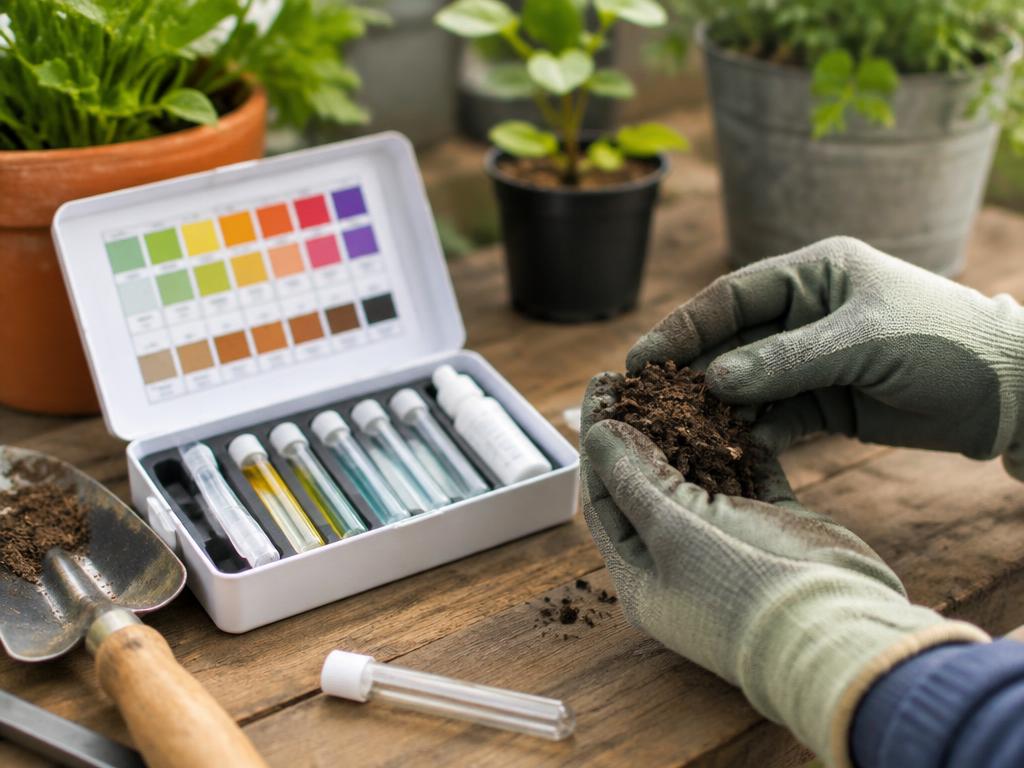
Gloved hands holding soil beside an open home soil test kit on a potting bench

Soil & compost

Get to know your soil

A soil test reveals pH and nutrient levels before you spend money on amendments. Different plants prefer different conditions; adding lime or fertilizer without testing can create new problems.

Try this: Ask your local extension service or a reputable lab for a soil test and follow its crop-specific recommendations.

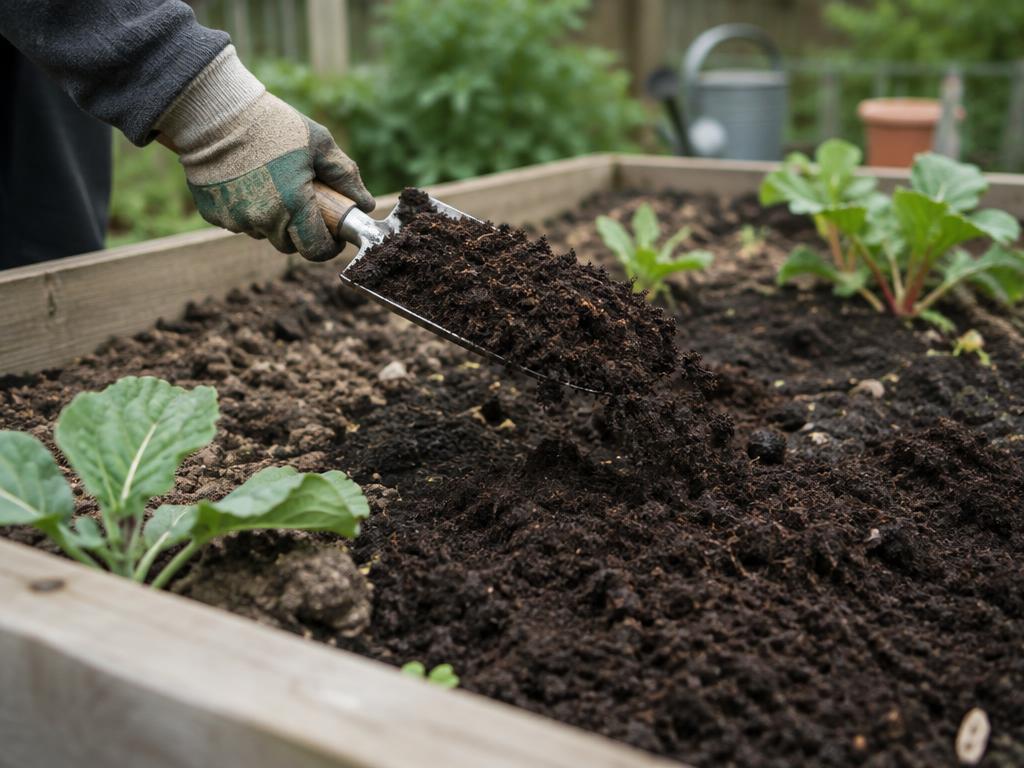
A trowel spreading dark, crumbly mature compost over a raised vegetable bed

Soil & compost

Build soil with mature compost

Well-rotted compost helps sandy soil hold moisture and improves the structure of heavier soil. Finished compost should smell earthy, not sour, and no longer heat up like fresh material.

Try this: Spread a modest layer over your beds and gently incorporate it where appropriate, without burying plant crowns.
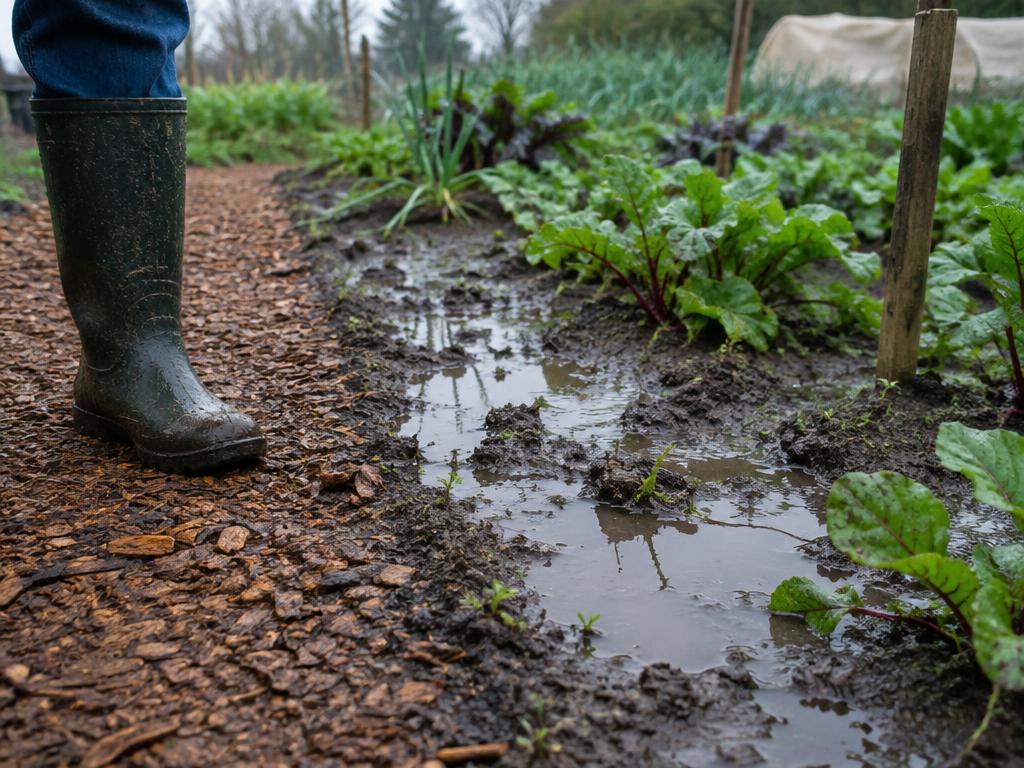
A boot on a wood-chip path beside a waterlogged, muddy vegetable bed with standing puddles

Soil & compost

Leave wet soil alone

Digging or walking on soggy soil squeezes out air and can leave lasting compaction. This makes it harder for roots to grow and for water to drain.

Try this: Wait until soil crumbles rather than smears in your hand, and use paths instead of stepping into growing beds.

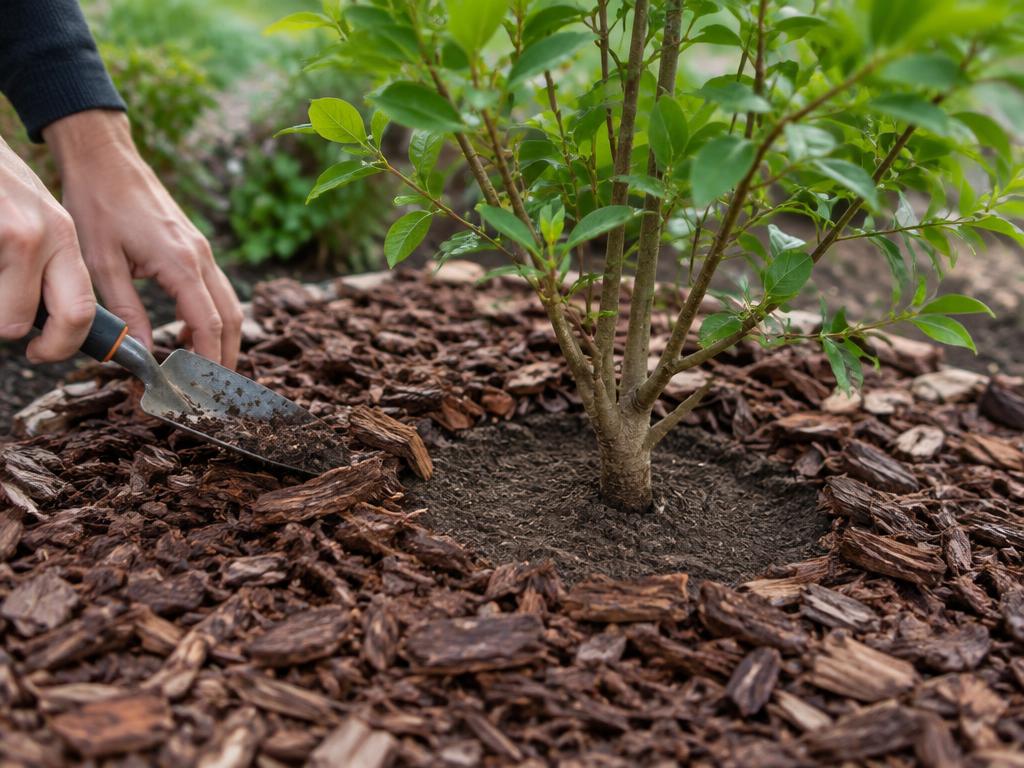
Bark mulch spread around a young shrub with a clear gap left around its trunk

Soil & compost

Mulch, but leave stems clear

Organic mulch slows evaporation, suppresses many weeds and buffers soil temperatures. Piling it against trunks or crowns holds moisture where it can cause decay.

Try this: Weed and water first, then spread mulch around plants while leaving a clear gap at each stem or trunk.

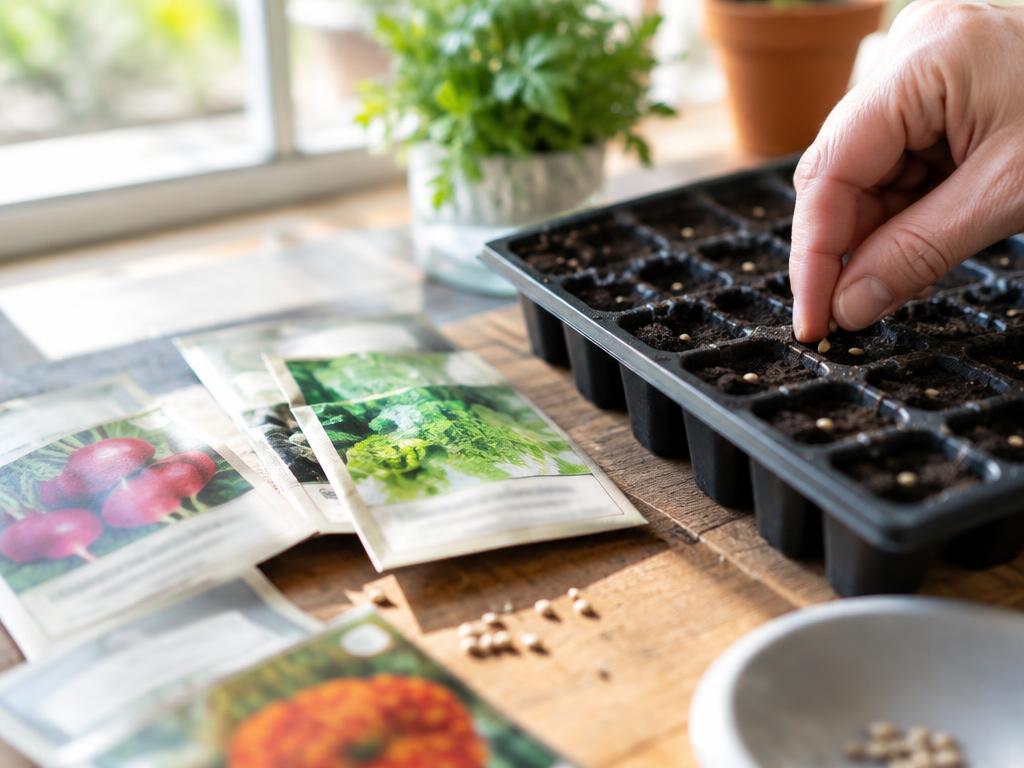
Seed packets beside a tray where a hand sows seeds into individual cells

Seeds & planting

Let the seed packet lead

Seeds differ in sowing depth, germination temperature and light requirements. Tiny seeds may need surface sowing, while larger seeds often need covering.

Try this: Check each packet for depth, spacing and timing, and label the variety and sowing date before you water.
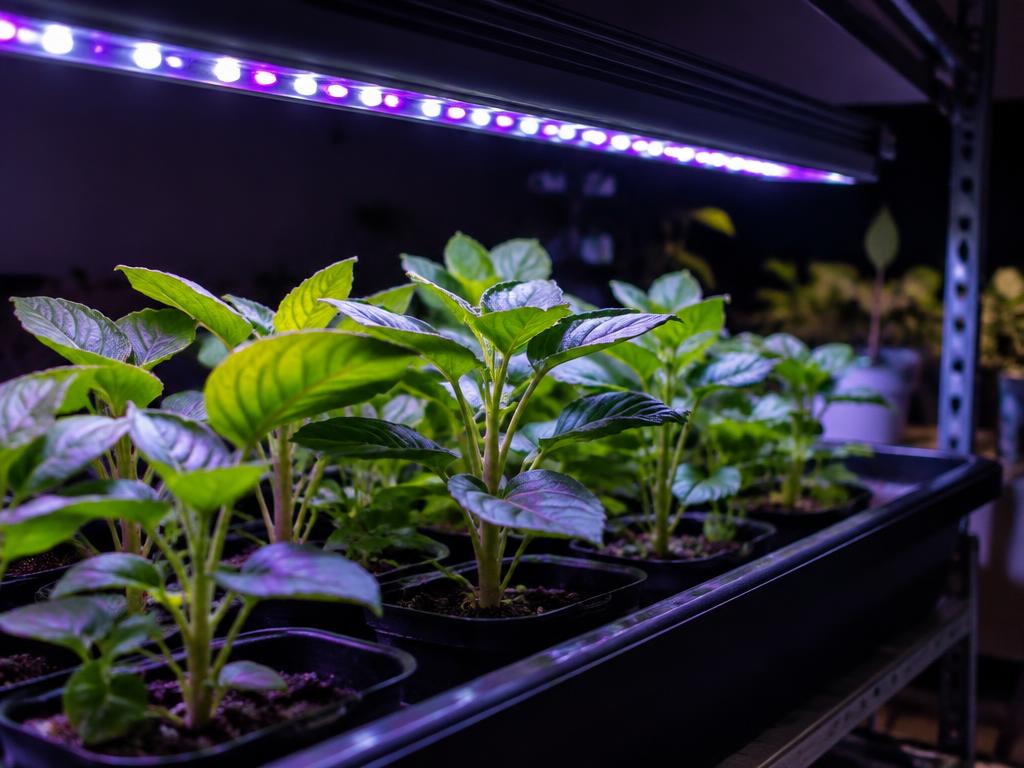
Compact, healthy seedlings growing under a bright LED grow light indoors

Seeds & planting

Give seedlings enough light

Young plants become tall and weak when light is insufficient. Bright light, suitable temperatures and moist—not saturated—seed-starting mix encourage compact growth.

Try this: Use a bright growing space or a suitable grow light, following its guidance for distance and daily duration.

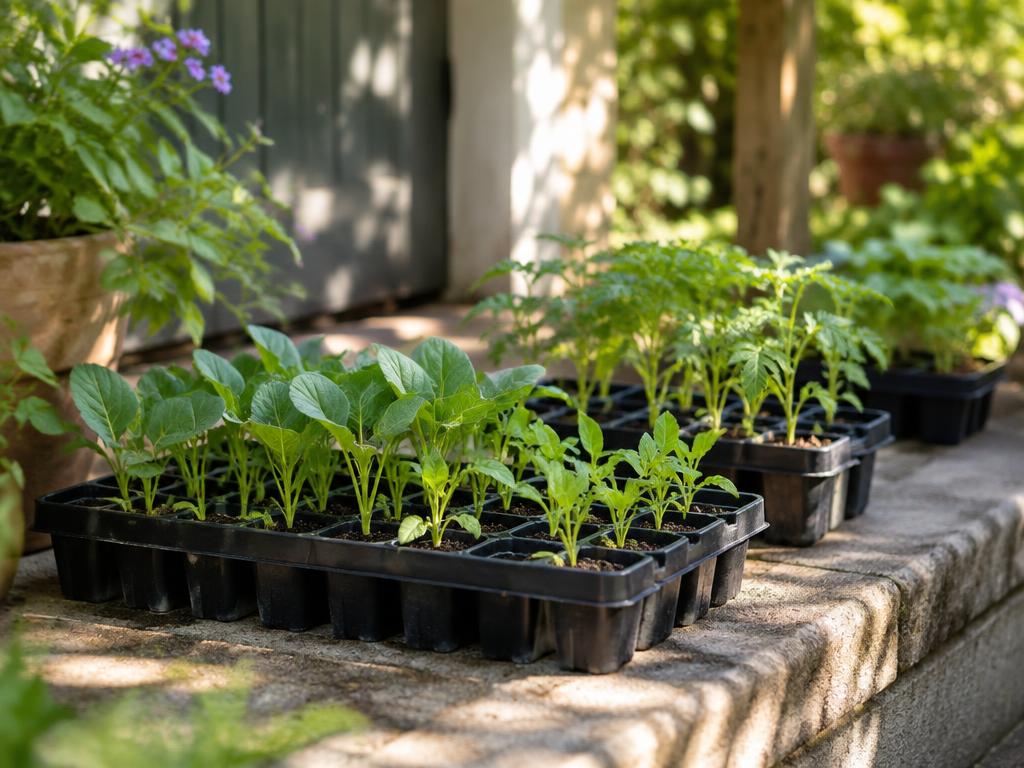
Trays of young seedlings hardening off outdoors on a sheltered stone step

Seeds & planting

Ease seedlings into outdoor life

Indoor-grown plants are not ready for strong sun, wind and cooler nights. A gradual transition helps reduce scorching and transplant shock.

Try this: Over about one to two weeks, increase time outdoors from a sheltered spot; bring tender plants inside if frost threatens.

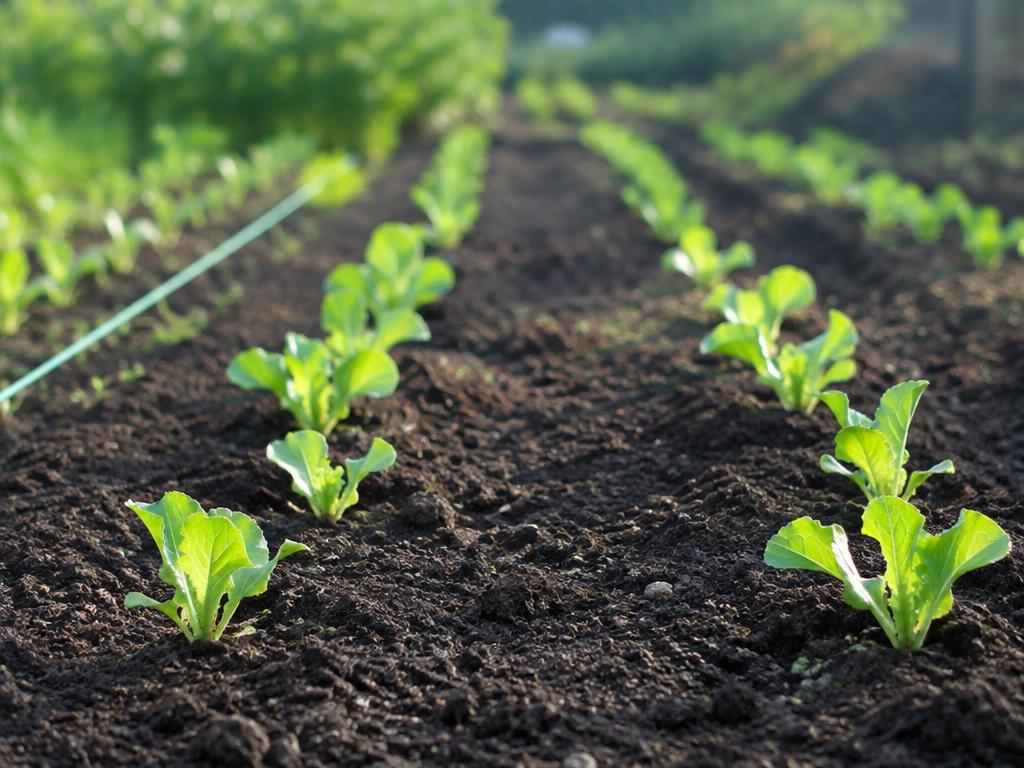
Neatly thinned rows of young lettuce seedlings spaced generously apart in dark soil

Seeds & planting

Give plants room to grow

Crowded seedlings compete for light, water and nutrients. Adequate spacing also improves airflow and makes inspecting and harvesting plants easier.

Try this: Thin seedlings to the recommended spacing and allow for a transplant's mature size, not just its size today.

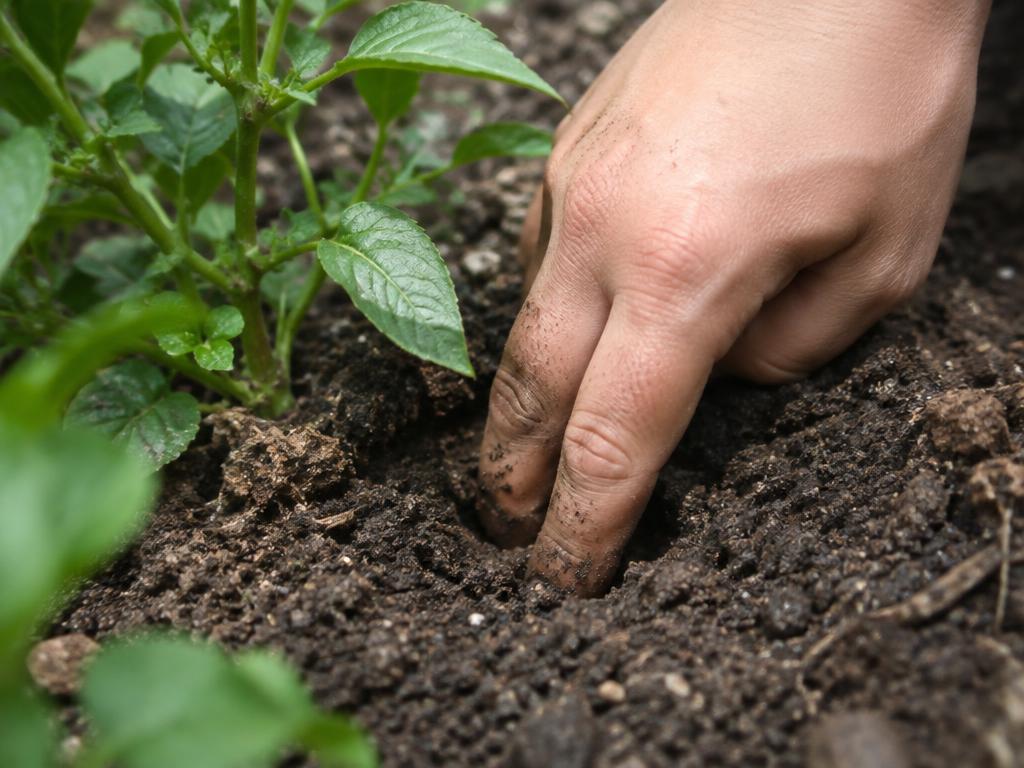
Fingers pressing into the soil beside a plant to check moisture below the surface

Watering

Check the soil before watering

Rainfall, heat, wind and soil type change watering needs from day to day. A fixed timetable can leave roots too wet one week and too dry the next.

Try this: Feel the soil below the surface near the roots and check pots by weight; water when the plant and soil indicate a need.

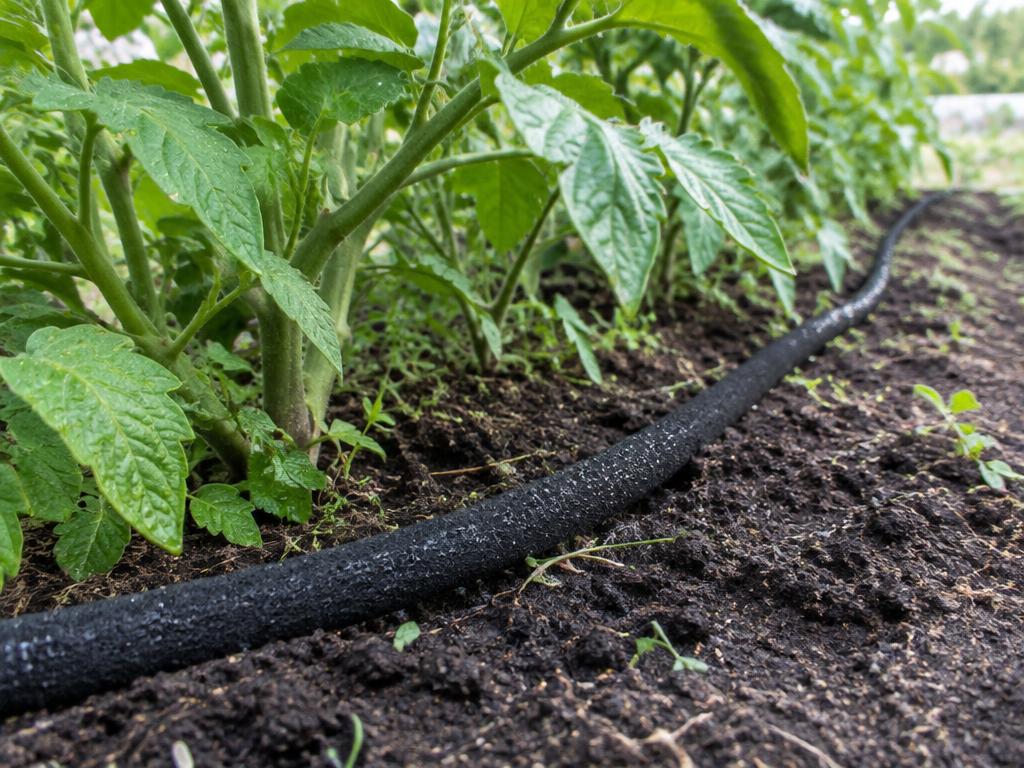
A soaker hose laid along the base of vegetable plants, wetting the soil at the roots

Watering

Aim water at the roots

Roots absorb water from the soil. Directing water around the base limits waste and keeps foliage drier, which can help reduce some leaf diseases.

Try this: Use a watering wand, soaker hose or drip line to wet the root zone slowly, rather than spraying over the leaves.

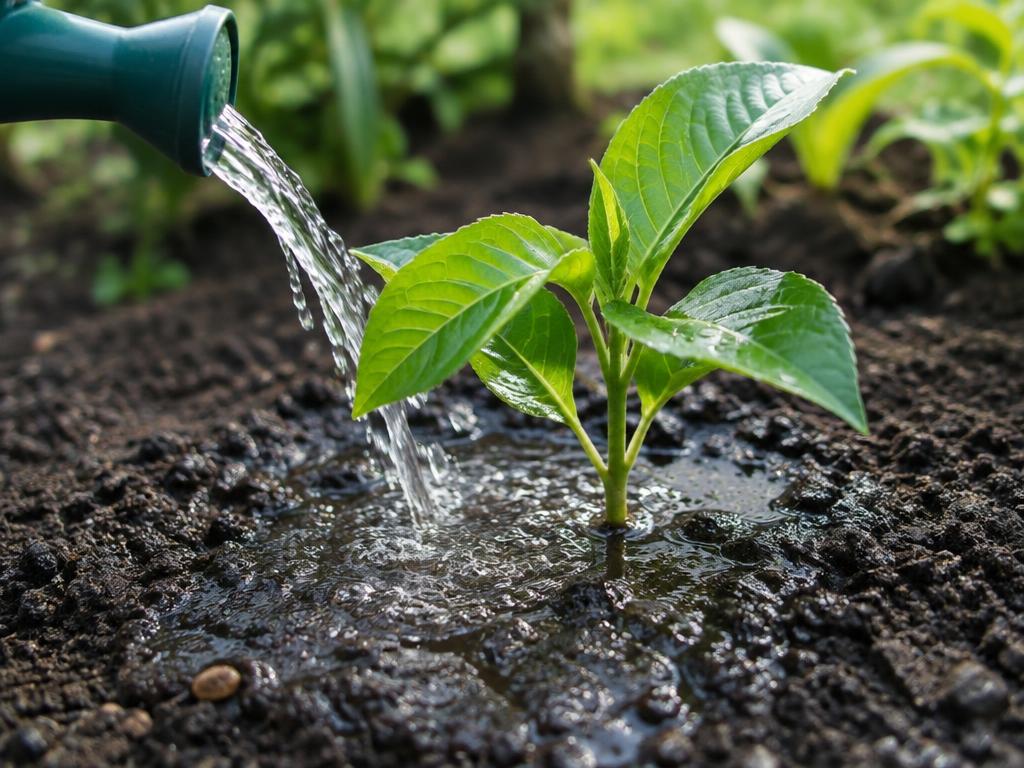
Water soaking slowly and deeply into dark soil around a young plant

Watering

Water slowly and thoroughly

For established plants, shallow splashes may leave deeper roots dry. Slow watering gives moisture time to soak in rather than running across the surface.

Try this: Pause if water runs off, then resume; check that moisture reached the root zone without leaving the soil waterlogged.

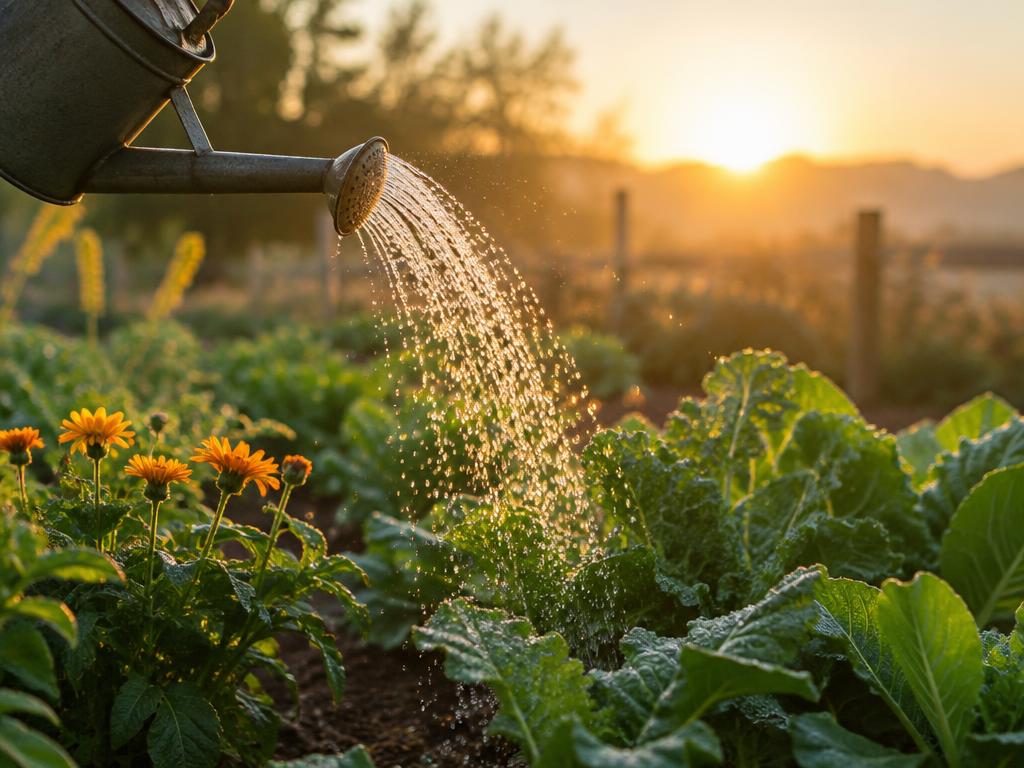
A watering can watering garden beds in golden early-morning sunlight

Watering

Make morning your first choice

When watering is needed, morning usually offers cooler conditions and gives splashed foliage time to dry. Plants in urgent need should not wait until the next morning.

Try this: Water early when practical, but respond promptly to genuinely dry roots during heat or windy weather.

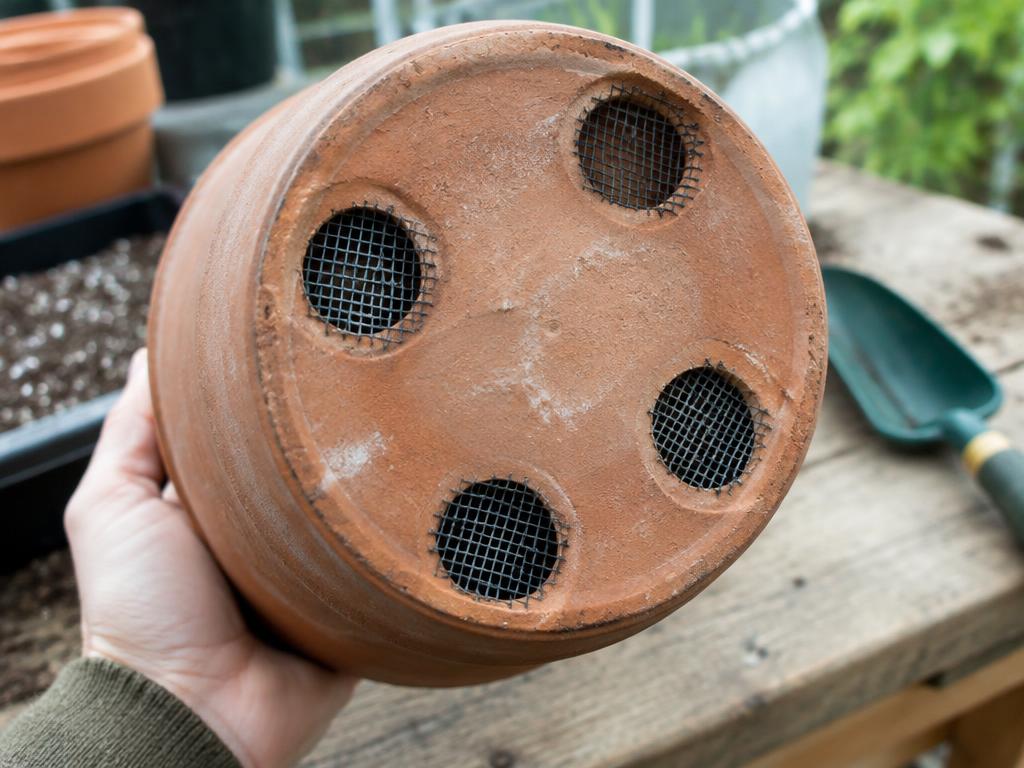
The underside of an empty terracotta pot showing several large open drainage holes

Containers & herbs

Start with drainage holes

Most container plants struggle when water cannot escape. Gravel at the bottom does not replace drainage holes and can reduce useful root space.

Try this: Choose a pot with open drainage holes and empty collected water from saucers after watering.

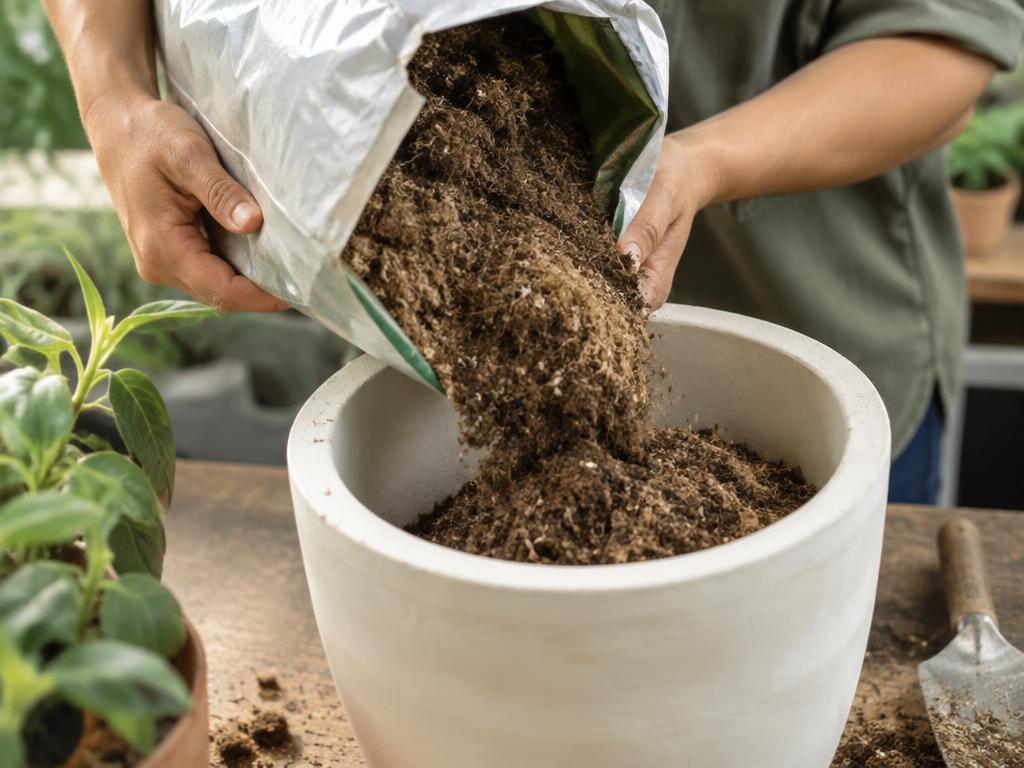
Hands filling a clean plant pot with light, fluffy potting mix from a bag

Containers & herbs

Use a mix made for containers

Garden soil can become dense and poorly aerated in a pot. Container mixes are designed to balance drainage, moisture retention and air around roots.

Try this: Choose a fresh potting mix suited to the plant; use a specialist, freer-draining mix for plants that need it.

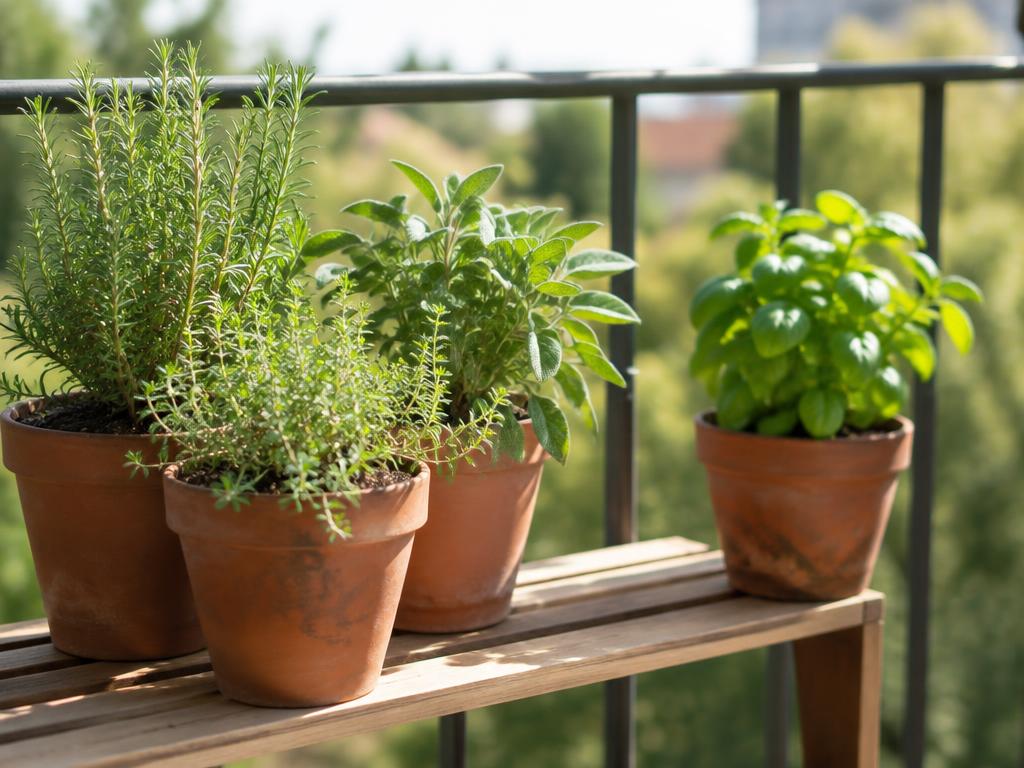
Rosemary, thyme and sage grouped in sunny pots with basil in its own pot apart

Containers & herbs

Group herbs by their needs

Mediterranean herbs such as rosemary and thyme generally prefer sunny, freely draining conditions. Basil and parsley often need more consistent moisture.

Try this: Keep herbs with similar light and watering needs together, and give thirsty herbs their own pots when necessary.

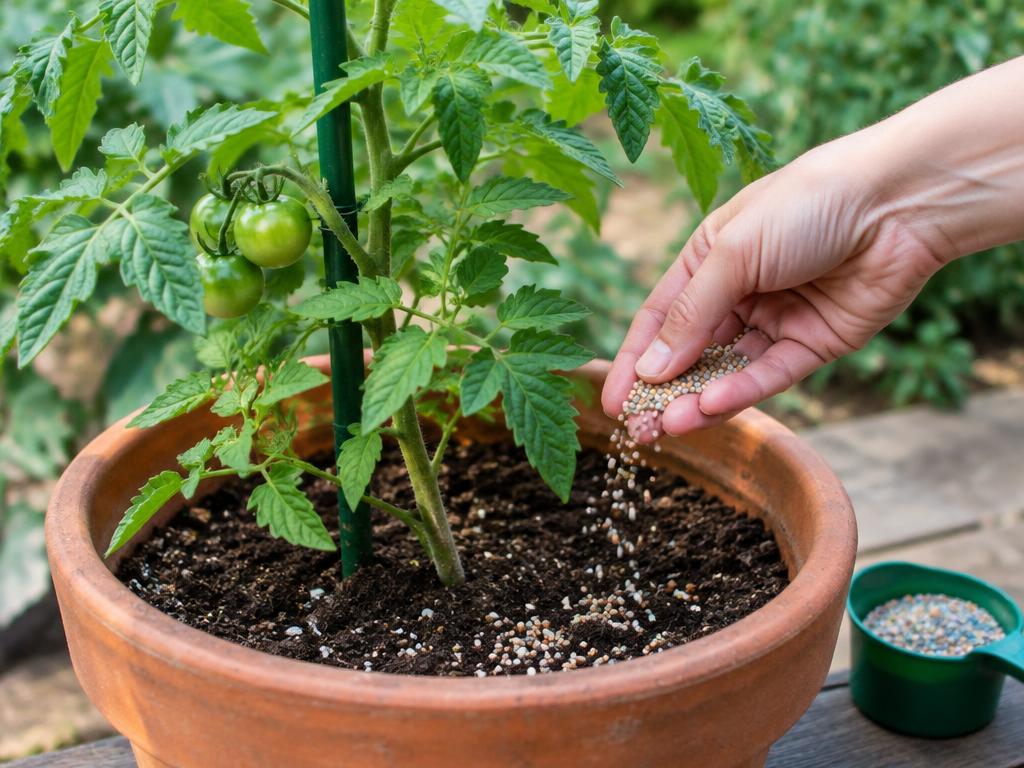
A hand sprinkling granular fertilizer over the soil of a potted tomato plant

Containers & herbs

Feed pots thoughtfully

Container roots have a limited supply of nutrients, and repeated watering can wash nutrients away. Too much fertilizer can damage roots and encourage weak growth.

Try this: Check whether your mix already contains fertilizer, then feed during active growth according to the plant's needs and product label.

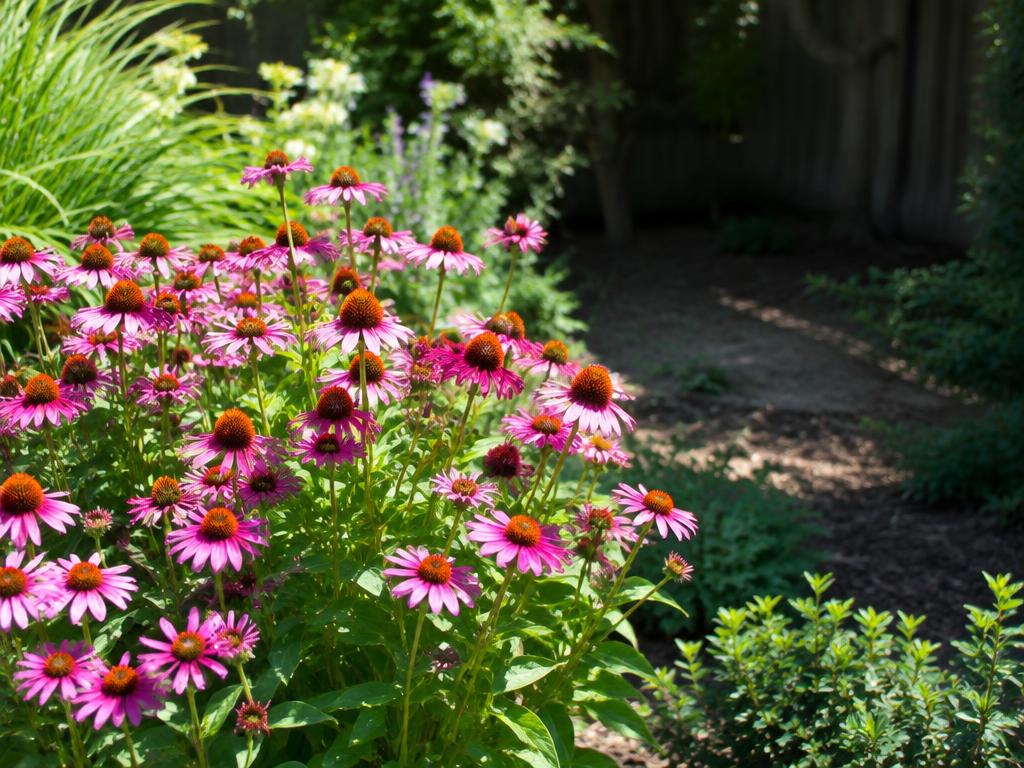
Sun-loving coneflowers thriving in a bright open border beside a shaded corner

Healthy gardens

Put the right plant in the right place

Plants suited to your light, soil and local climate need less rescue work. A sun-loving species will not thrive in deep shade, even with extra feeding.

Try this: Track sun across the day and check mature size, hardiness and moisture needs before buying or planting.

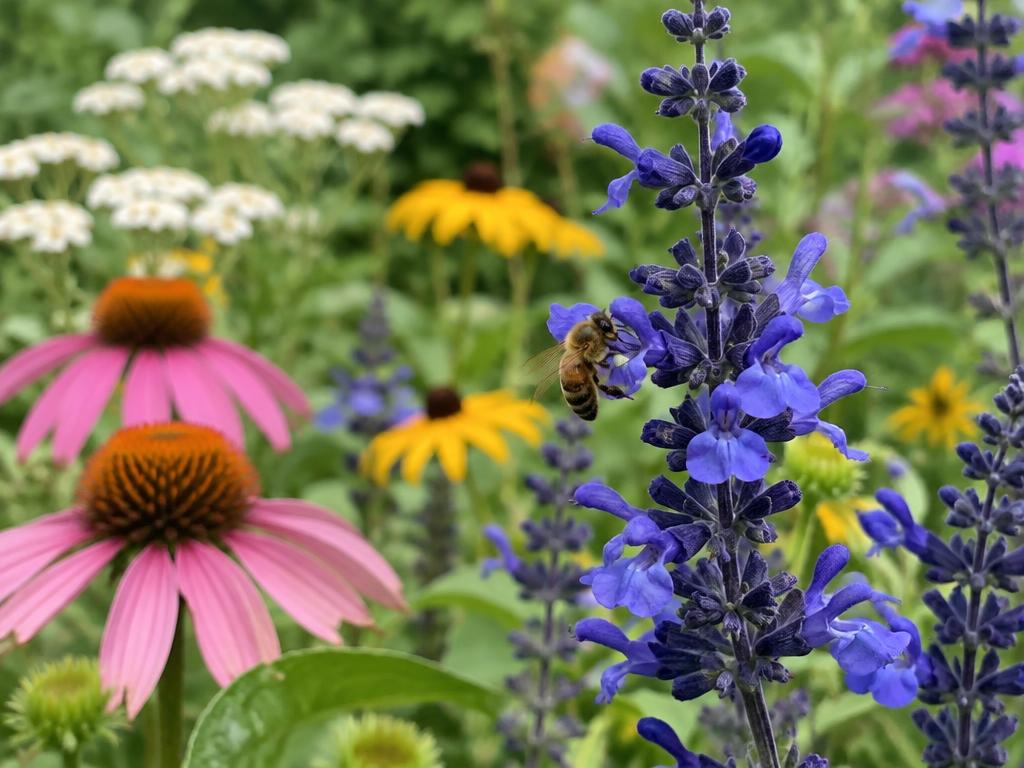
A honeybee feeding on a blue salvia flower in a mixed, multi-layered flower border

Healthy gardens

Keep something flowering

A mix of suitable flowers can provide food for pollinators over a longer season. Locally native species are often especially valuable to local wildlife.

Try this: Choose non-invasive plants that flower at different times and avoid spraying flowers visited by bees.

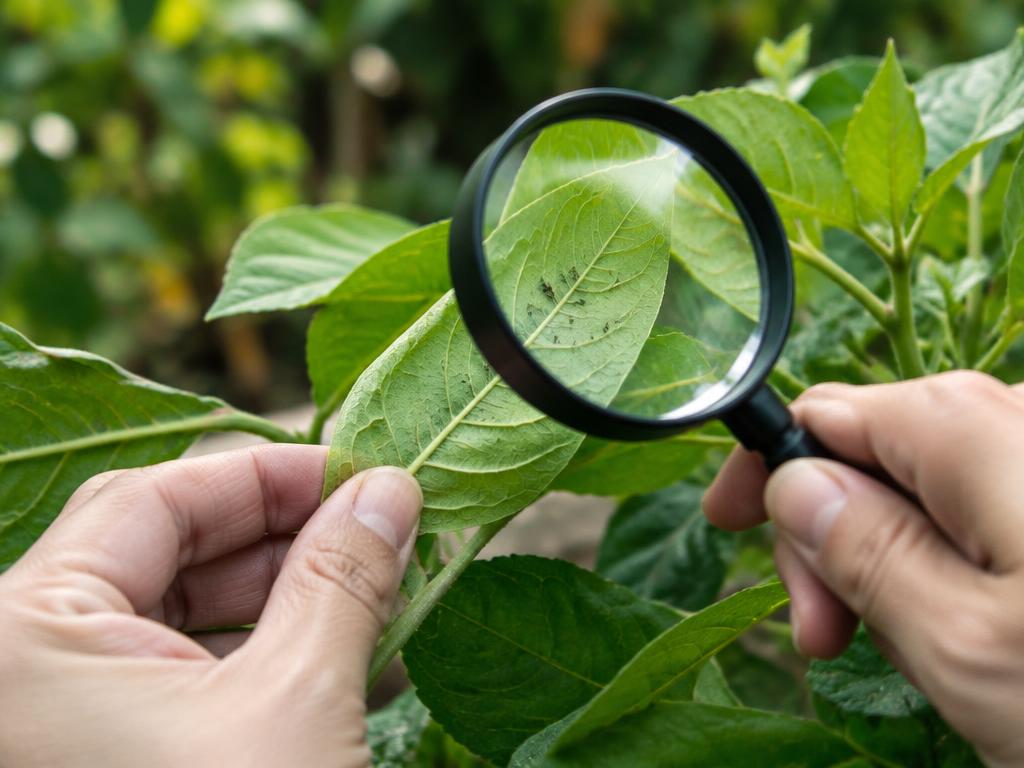
Hands using a magnifying glass to inspect the underside of a garden leaf for pests

Healthy gardens

Look closely before treating pests

Not every insect is harmful, and leaf damage may come from weather or watering rather than pests. Beneficial predators can help keep damaging insects in check.

Try this: Check leaf undersides and new growth, identify the cause, and try appropriate non-chemical measures first; follow labels if pesticides are needed.

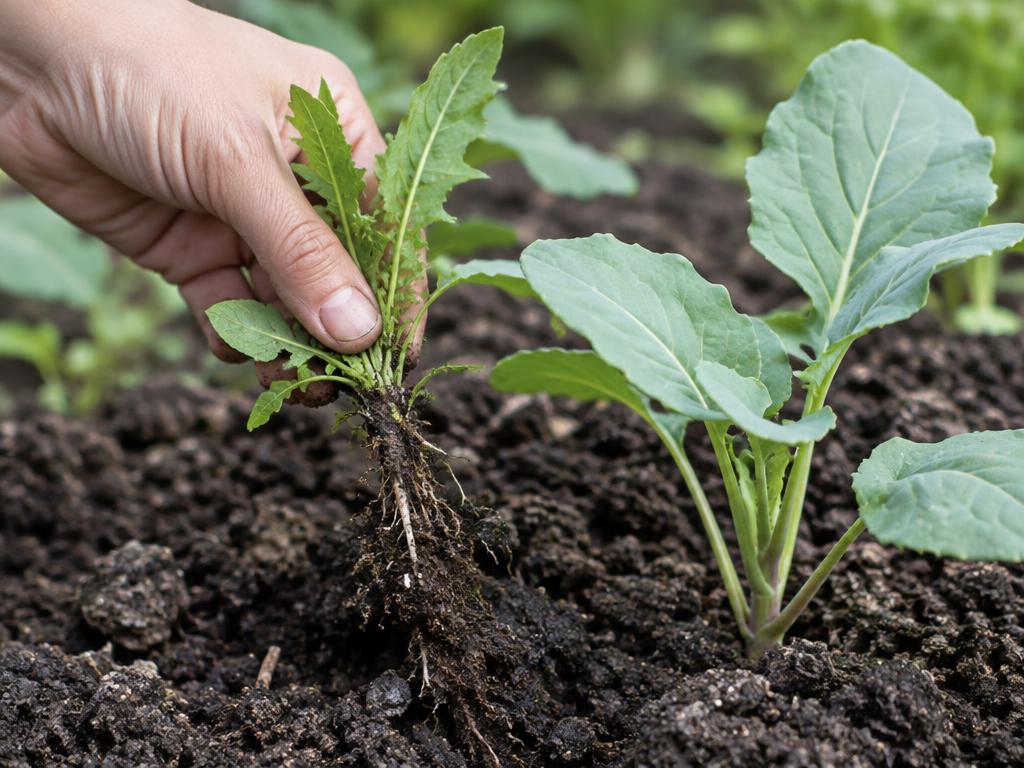
A hand pulling a small young weed with its roots attached beside a young seedling

Healthy gardens

Catch weeds while they are small

Young weeds are easier to remove and have not yet competed heavily with your plants. Preventing seed production helps reduce future weed pressure.

Try this: Check beds regularly, remove weeds with their roots where possible and avoid spreading seed heads into home compost.

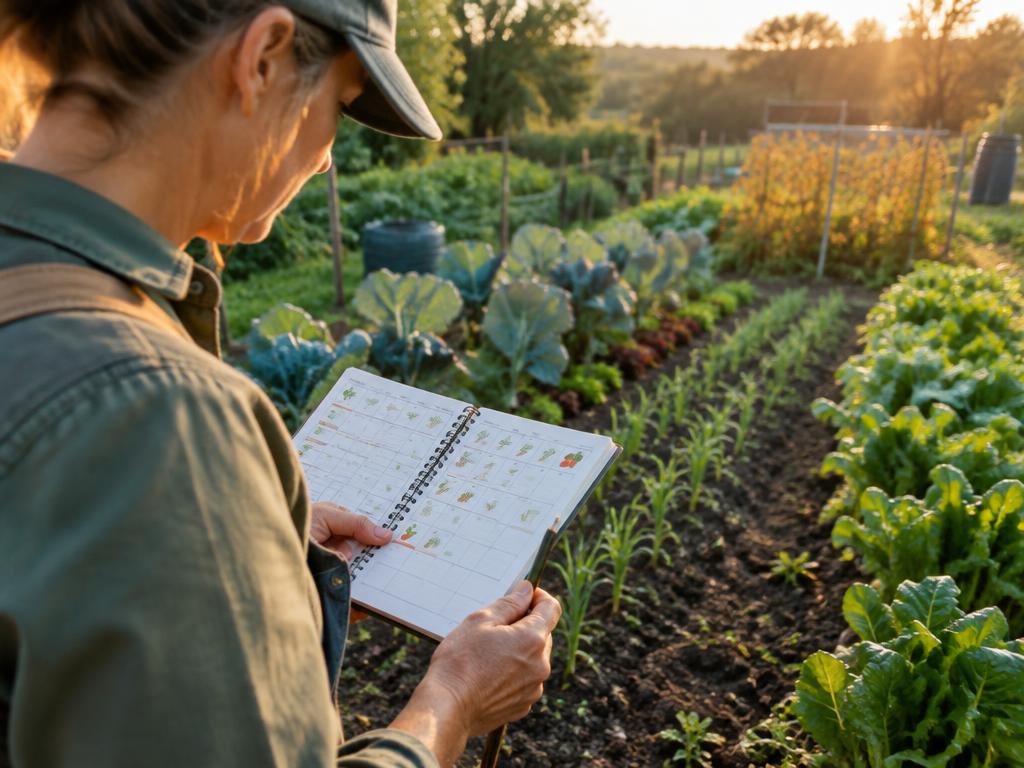
A gardener checking a planting calendar notebook while walking a vegetable garden at sunset

Seasonal care

Garden by local conditions

Planting dates vary with climate, elevation and the crop. Soil temperature and frost risk matter more than a calendar date copied from another region.

Try this: Use local extension advice and frost guidance, then adjust for the conditions in your own garden.

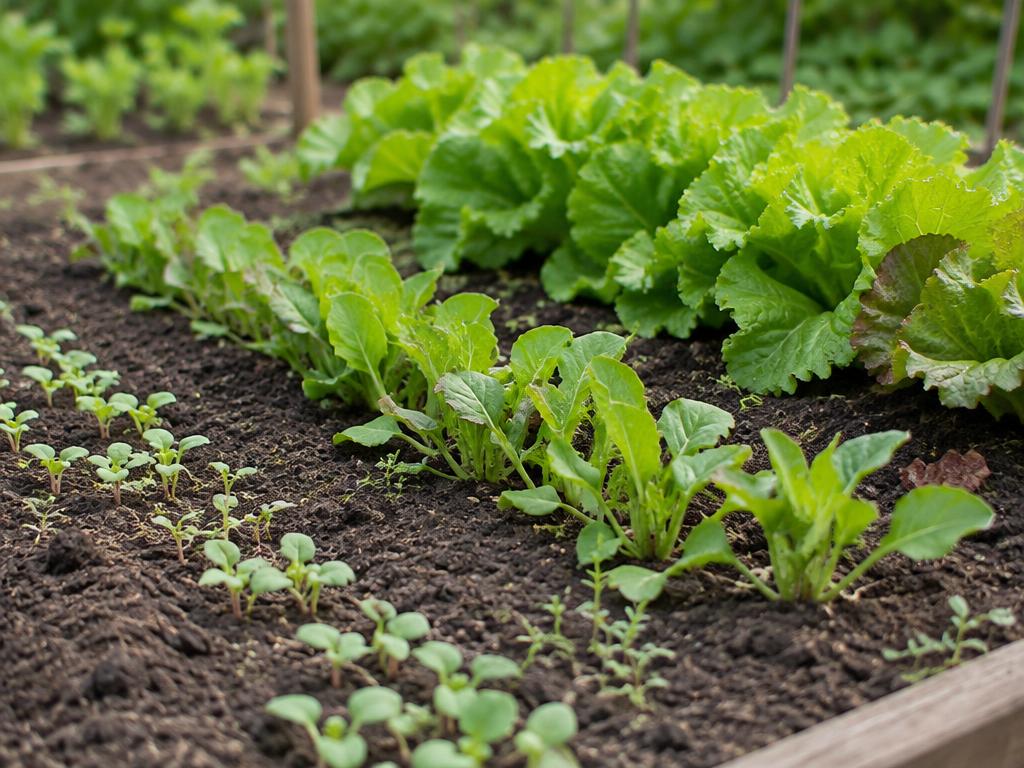
Three rows of salad greens at different growth stages from fresh sowing to harvestable

Seasonal care

Sow a little, then sow again

Small repeat sowings of suitable quick-growing crops can spread out harvests instead of producing more food than you can use at once.

Try this: For crops such as radishes or salad leaves, stagger small batches within their suitable sowing season and choose varieties for the weather.

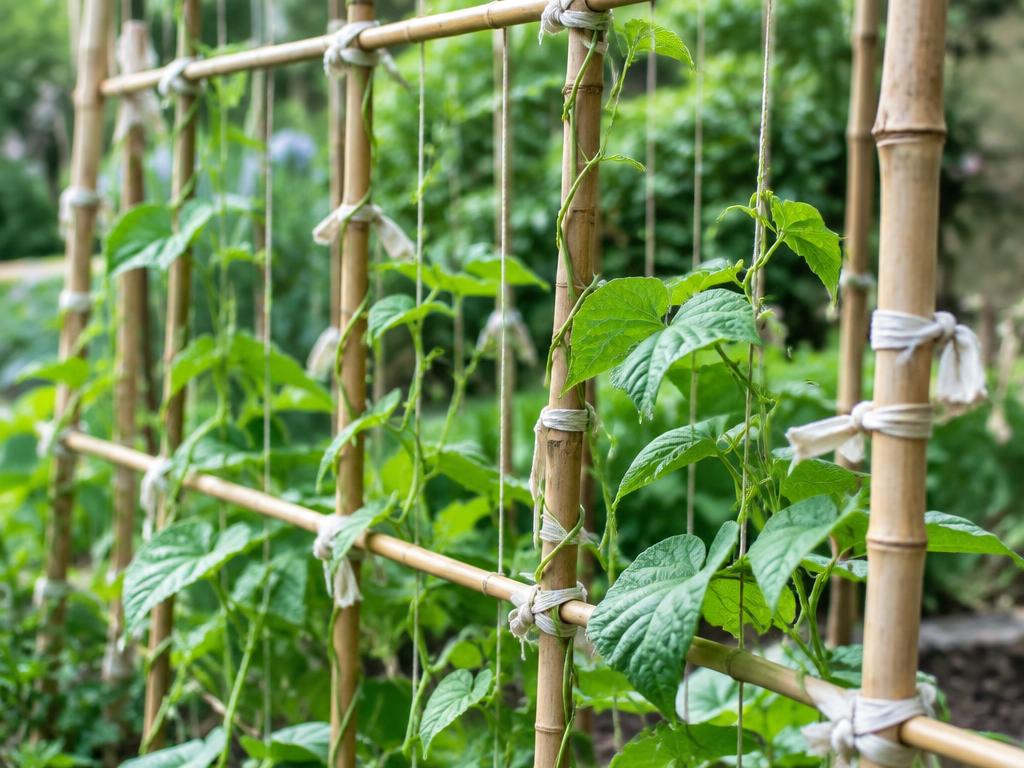
Climbing bean plants twining up a sturdy bamboo trellis tied with soft fabric ties

Seasonal care

Install supports before plants need them

Stakes and trellises keep suitable climbing crops accessible and off the ground. Installing them late risks disturbing established roots.

Try this: Put sturdy supports in place at planting and guide growth with soft, loose ties that do not cut into stems.

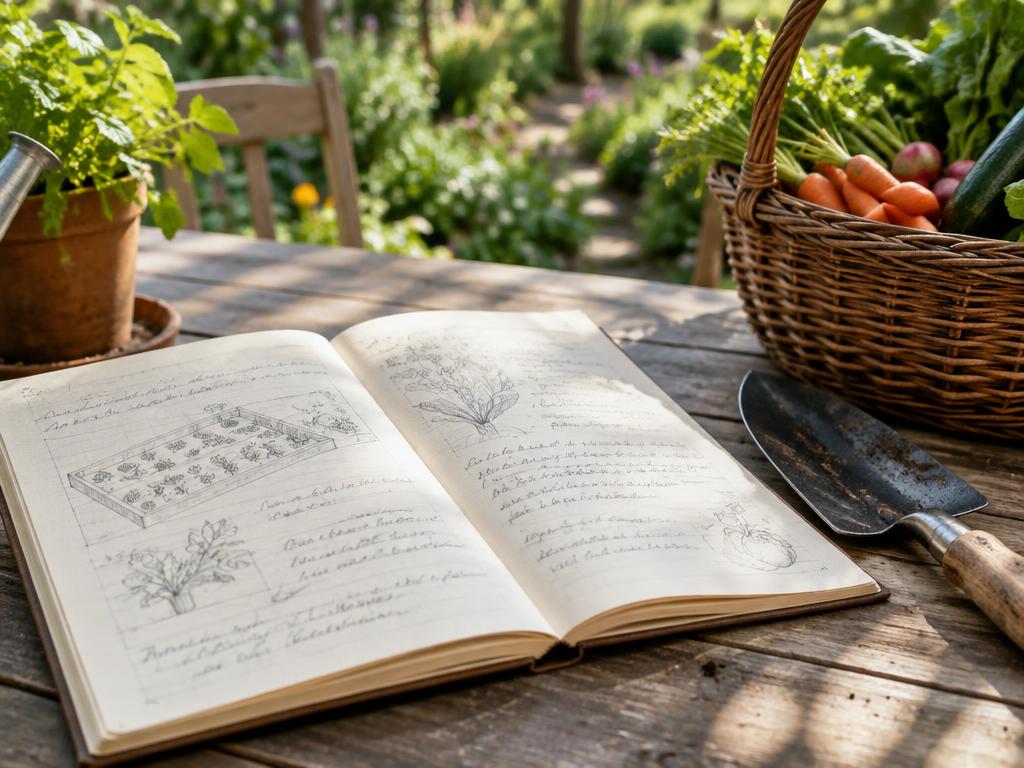
An open garden journal with notes and bed sketches beside a trowel and a harvest basket

Seasonal care

Keep a simple garden record

A short record helps you learn which varieties thrive, when harvests begin and where recurring problems occur. It also helps plan crop rotation where space allows.

Try this: Record sowing and harvest dates, take occasional photos and note each bed's crops before planning the next season.

Further reading

Adapt these general tips to your local climate, soil and plant varieties. Images are AI-generated illustrations matched to each tip, not plant-identification photographs.