
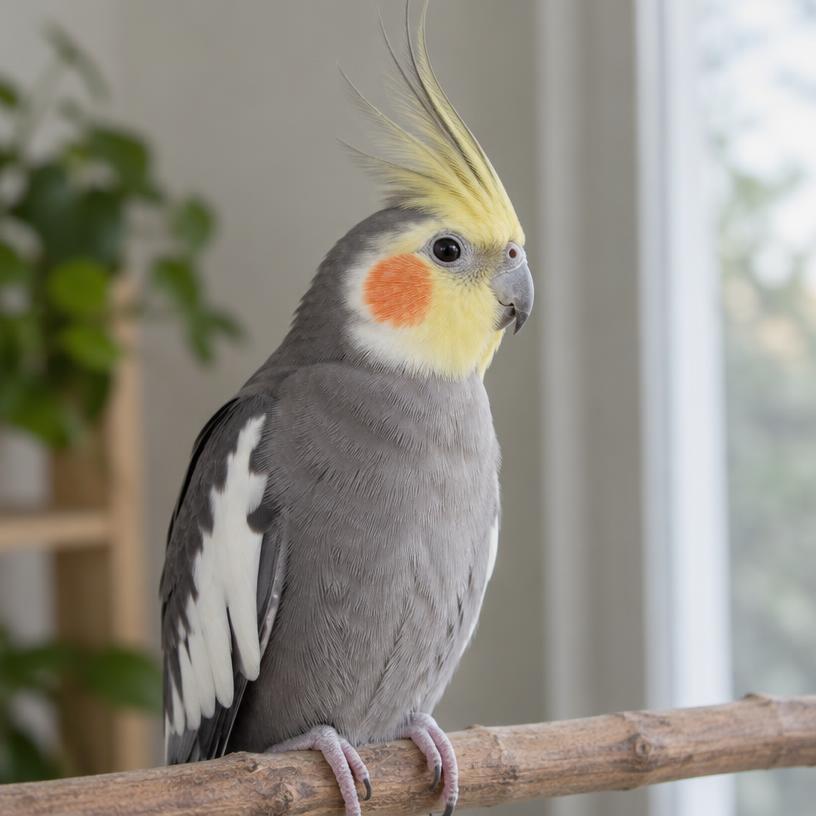
Warning signs: Lethargy, regurgitation, diarrhea, breathing difficulty.
If you suspect poisoning: remove any plant material, keep a sample, and call your vet or ASPCA Animal Poison Control at (888) 426-4435 immediately.
10 plants to keep away from cockatiels
Persin causes heart damage and respiratory distress.
Oleander
SevereCardiac glycosides disrupt heart rhythm; can be fatal in small amounts.
Yew
SevereTaxine alkaloids cause sudden heart failure.
- Severe
Grayanotoxins cause vomiting, weakness, abnormal heart rhythm.
Rhubarb leaves
SevereOxalic acid causes kidney damage and tremors.
- Severe
Damage red blood cells, causing anemia.
- Moderate
Calcium oxalate crystals cause oral pain, swelling and drooling.
- Moderate
Calcium oxalate crystals irritate the mouth and throat.
- Moderate
Oral irritation, drooling and difficulty swallowing.
- Moderate
Saponins cause vomiting, diarrhea and abdominal pain.
Let PlantBetter help
Not sure what's growing in your home or garden? Snap a photo with PlantBetter to identify it and check whether it's safe for your cockatiels.
General information only, not veterinary advice. Toxicity varies with the amount eaten and the animal's size.