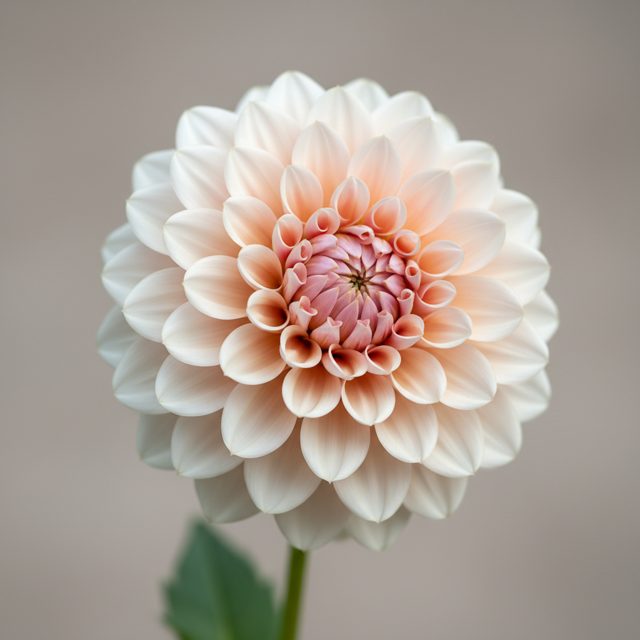
- Scientific name
- Dahlia pinnata
- Family
- Asteraceae
- Also known as
- Garden Dahlia
- Category
- Flowers
- Care difficulty
- Moderate
- Pet safety
- Toxic to pets
How to care for dahlia
- Light: Requires full sun, at least 6-8 hours of direct sunlight daily, for the best flower production. In very hot climates, some afternoon shade may be beneficial.
- Water: Water deeply and regularly, especially during dry spells and when plants are actively flowering. Avoid overhead watering to reduce fungal issues.
- Soil: Prefers rich, well-draining soil with a slightly acidic to neutral pH. Amend heavy clay soils with organic matter to improve drainage.
- Temperature: Thrives in moderate temperatures, typically between 60-75°F (15-24°C). They are not frost-tolerant, and tubers must be lifted in cold climates.
- Humidity: Tolerates average humidity. Good air circulation is important to prevent powdery mildew and other fungal diseases.
- Fertilizer: Fertilize with a low-nitrogen, high-phosphorus and potassium fertilizer every 3-4 weeks once buds start to form. Avoid excess nitrogen which promotes foliage over flowers.
- Propagation: Most commonly propagated by dividing tubers in spring before planting. Can also be grown from seed, though resulting plants may vary from the parent.
Is dahlia toxic to pets?
Not pet-safe. Dahlias are mildly toxic to cats, dogs, and horses, potentially causing mild gastrointestinal upset and skin irritation if ingested or handled. See our guide to toxic plants for cats and dogs.
Common problems
- Powdery mildew: Ensure good air circulation, avoid overhead watering, and apply a fungicide if the problem persists. Remove affected foliage.
- Slugs and snails: Hand-pick pests, use slug baits, or set beer traps around susceptible plants to protect young growth and tender leaves.
Did you know?
Dahlias were once considered a food crop by the Aztecs, who consumed their tubers. They were also used for medicinal purposes.
Let PlantBetter help
Snap a photo with PlantBetter to confirm your plant is a dahlia, spot problems early and get care reminders tailored to your home.