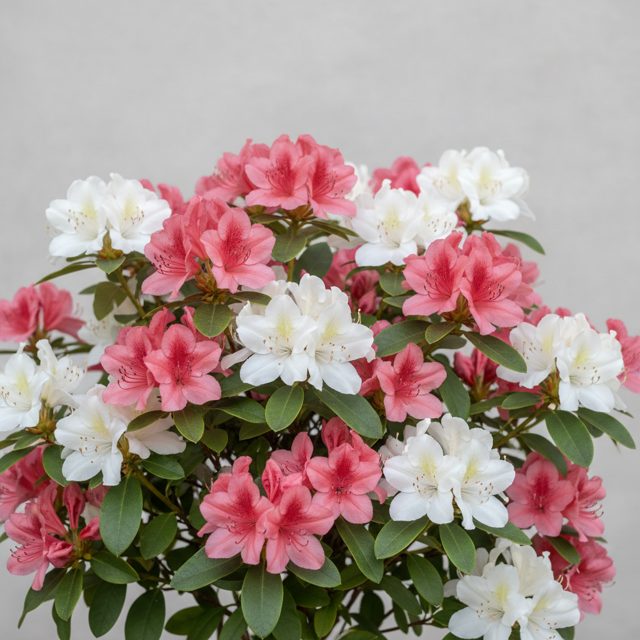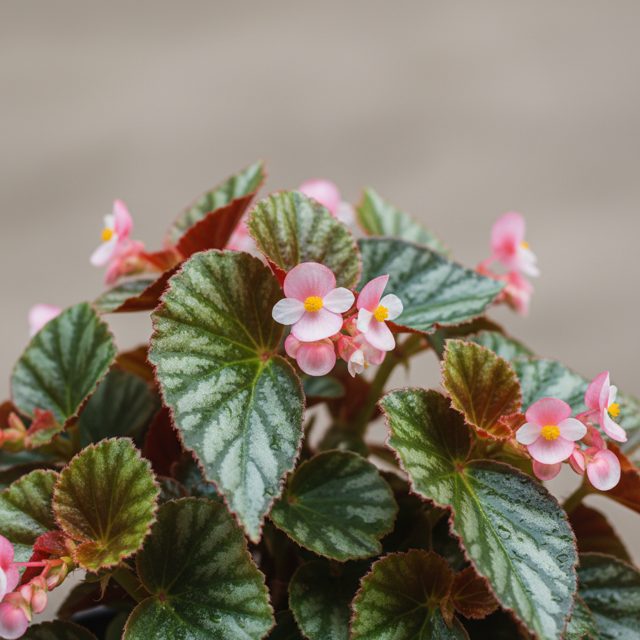
- Scientific name
- Begonia spp.
- Family
- Begoniaceae
- Also known as
- Wax Begonia, Tuberous Begonia
- Category
- Flowers
- Care difficulty
- Easy
- Pet safety
- Toxic to pets
How to care for begonia
- Light: Prefers bright, indirect light; direct afternoon sun can scorch the leaves. Some varieties tolerate more shade.
- Water: Keep the soil consistently moist but not waterlogged; allow the top inch of soil to dry out between waterings. Reduce watering in winter.
- Soil: Requires well-draining, airy potting mix rich in organic matter. A slightly acidic to neutral pH is generally preferred.
- Temperature: Thrives in warm temperatures, ideally between 65-75°F (18-24°C). Protect from cold drafts and temperatures below 50°F (10°C).
- Humidity: Benefits from moderate to high humidity. Avoid misting directly on fuzzy-leaved varieties to prevent fungal issues.
- Fertilizer: Feed every 2-4 weeks during the growing season with a balanced liquid fertilizer. Reduce or stop fertilizing in winter.
- Propagation: Easily propagated from stem cuttings, leaf cuttings (for some varieties), or by division of rhizomes/tubers. Root in water or moist soil.
Is begonia toxic to pets?
Not pet-safe. Toxic to cats and dogs, especially the tubers, causing oral irritation, drooling, vomiting, and difficulty swallowing. See our guide to toxic plants for cats and dogs.
Common problems
- Powdery mildew: Improve air circulation and reduce humidity; treat with a fungicide if severe.
- Leaf drop or rot: Often caused by overwatering or poor drainage; ensure proper watering and well-draining soil.
Did you know?
Begonias were named after Michel Bégon, a French botanist and former governor of the French colony of Santo Domingo.
Let PlantBetter help
Snap a photo with PlantBetter to confirm your plant is a begonia, spot problems early and get care reminders tailored to your home.