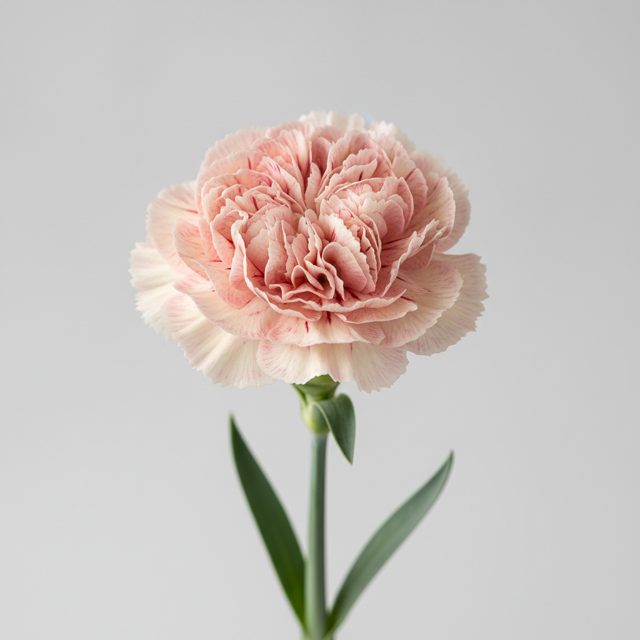
- Scientific name
- Dianthus caryophyllus
- Family
- Caryophyllaceae
- Also known as
- Clove Pink, Grenadine, Divine Flower
- Category
- Flowers
- Care difficulty
- Easy
- Pet safety
- Toxic to pets
How to care for carnation
- Light: Requires full sun, at least 6 hours of direct sunlight daily, for best flowering. Can tolerate very light shade in hot climates.
- Water: Water deeply and regularly, especially during dry spells, keeping the soil consistently moist but not waterlogged. Allow the top inch of soil to dry between waterings.
- Soil: Prefers well-draining, slightly alkaline to neutral soil. Amend heavy clay soils with organic matter to improve drainage.
- Temperature: Thrives in moderate temperatures between 50-75°F (10-24°C). Some varieties are hardy, while others need protection from frost.
- Humidity: Tolerates average humidity; good air circulation is more important to prevent fungal issues.
- Fertilizer: Feed with a balanced, all-purpose fertilizer every 4-6 weeks during the growing and flowering season. Avoid excessive nitrogen, which can lead to leggy growth.
- Propagation: Can be propagated by seeds, stem cuttings, or by layering. Cuttings are best taken from non-flowering shoots in late spring or summer.
Is carnation toxic to pets?
Not pet-safe. Carnations are mildly toxic to cats and dogs, causing mild gastrointestinal upset or dermatitis if ingested. See our guide to toxic plants for cats and dogs.
Common problems
- Lack of blooms/sparse flowering: Ensure full sun exposure, deadhead spent flowers regularly to encourage new blooms, and avoid over-fertilizing with nitrogen.
- Fungal diseases (e.g., rust, rot): Provide good air circulation, avoid overhead watering, and ensure well-draining soil; remove affected plant parts.
Did you know?
Carnations have been cultivated for over 2,000 years and are native to the Mediterranean region, often found growing in rocky areas.
Let PlantBetter help
Snap a photo with PlantBetter to confirm your plant is a carnation, spot problems early and get care reminders tailored to your home.