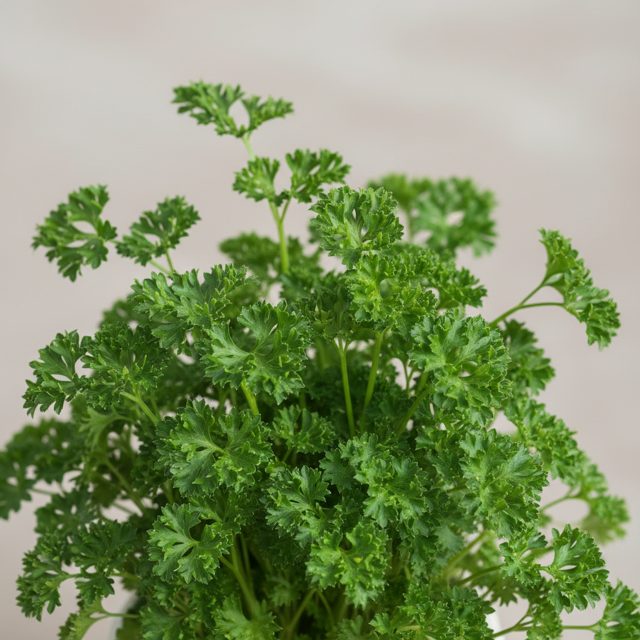
- Scientific name
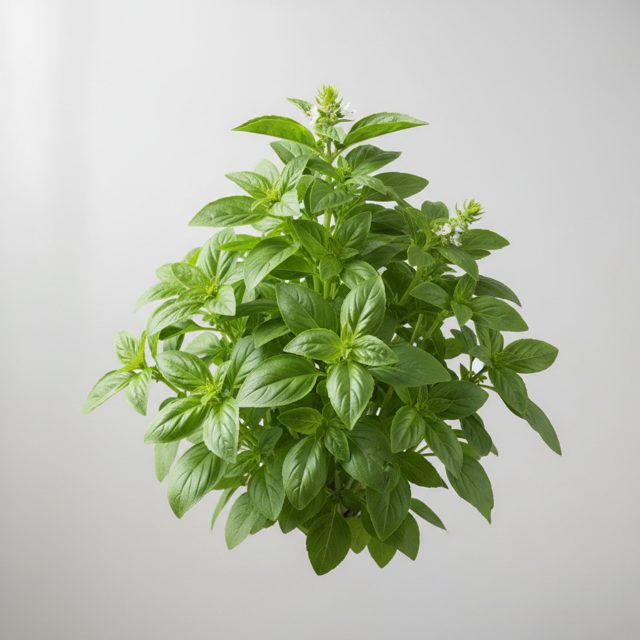
- Petroselinum crispum
- Family
- Apiaceae
- Also known as
- Garden Parsley, Common Parsley
- Category
- Vegetables, Fruits & Herbs
- Care difficulty
- Easy
- Pet safety
- Non-toxic to cats and dogs
How to care for parsley
- Light: Prefers full sun (6+ hours) but can tolerate partial shade, especially in hot climates.
- Water: Keep soil consistently moist but not waterlogged. Water deeply when the top inch of soil feels dry.
- Soil: Thrives in rich, well-draining soil with a pH between 6.0 and 7.0. Amend with compost to improve fertility.
- Temperature: Prefers cool to moderate temperatures, ideally between 60-70°F (15-21°C). Frost tolerant to a degree.
- Humidity: Average household humidity is generally sufficient. Good air circulation helps prevent fungal issues.
- Fertilizer: Light feeding with a balanced liquid fertilizer every 2-4 weeks during the growing season is beneficial. Avoid over-fertilizing which can reduce flavor.
- Propagation: Typically grown from seed, which can be slow to germinate. Soak seeds overnight before planting to encourage germination.
Is parsley toxic to pets?
Pet-safe. Generally considered non-toxic to cats, dogs, and humans, though large quantities may cause mild digestive upset in pets. See our guide to toxic plants for cats and dogs.
Common problems
- Yellowing leaves: Often caused by insufficient water or nutrient deficiency; check soil moisture and consider light fertilization.
- Aphids: Spray with a strong stream of water or use insecticidal soap to remove pests.
Did you know?
Parsley was historically used by the ancient Greeks and Romans not just for food, but also as a medicinal herb and for decorating tombs.
Let PlantBetter help
Snap a photo with PlantBetter to confirm your plant is a parsley, spot problems early and get care reminders tailored to your home.