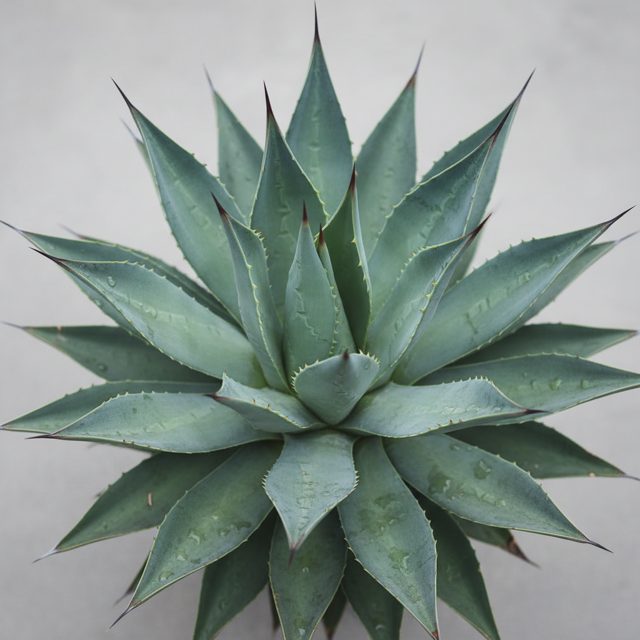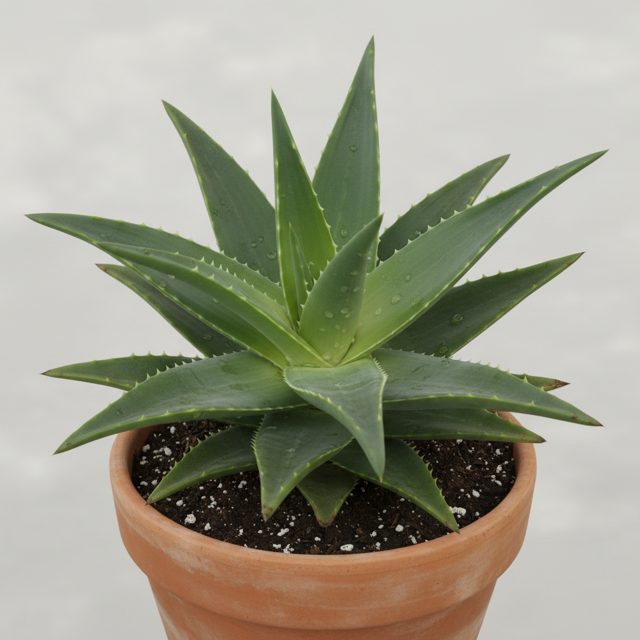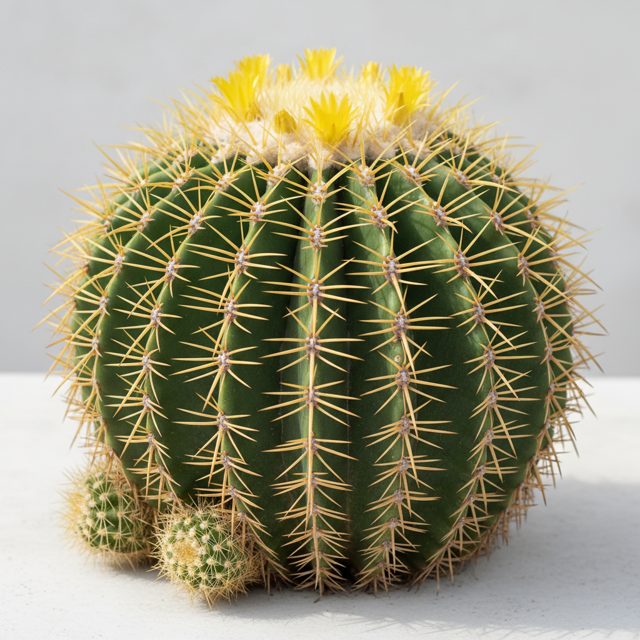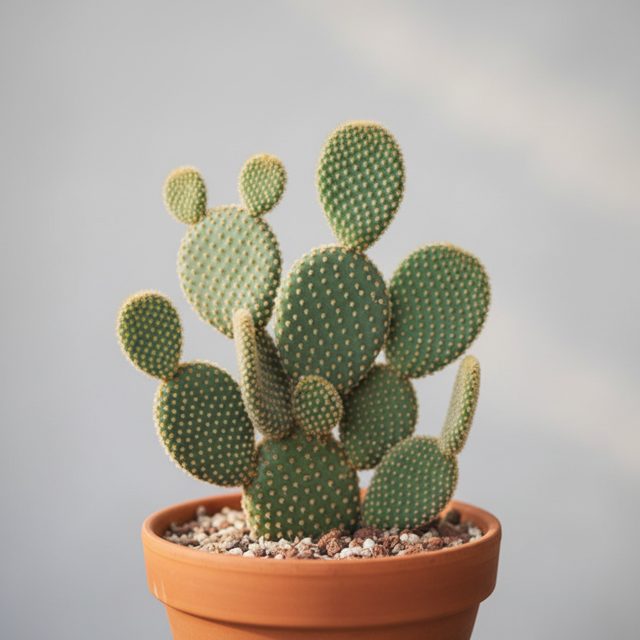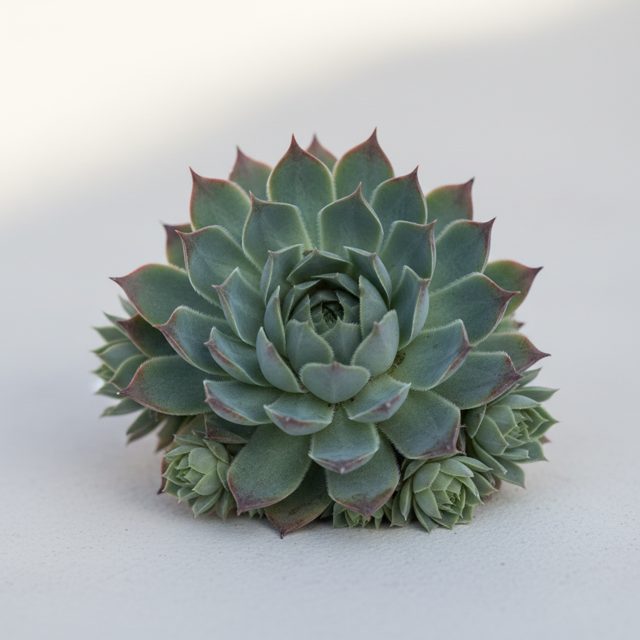
- Scientific name
- Sempervivum tectorum
- Family
- Crassulaceae
- Also known as
- Houseleek, Liveforever
- Category
- Succulents & Cacti
- Care difficulty
- Easy
- Pet safety
- Non-toxic to cats and dogs
How to care for hens and chicks
- Light: Requires full sun to maintain compact growth and vibrant color. Can tolerate some partial shade but may stretch.
- Water: Extremely drought-tolerant. Water deeply but infrequently, allowing soil to dry completely between waterings.
- Soil: Needs very well-draining soil, such as a succulent or cactus mix. Good drainage is crucial to prevent rot.
- Temperature: Very cold hardy, tolerating temperatures down to -20°F (-29°C) depending on species. Thrives in moderate temperatures.
- Humidity: Tolerates average to low humidity levels. High humidity combined with poor airflow can lead to fungal issues.
- Fertilizer: Generally does not require fertilizer, especially when planted outdoors. A very diluted feeding once in spring is sufficient if growth is poor.
- Propagation: Propagates readily from the 'chicks' (offsets) that naturally form around the mother plant. Simply detach and replant them.
Is hens and chicks toxic to pets?
Pet-safe. Generally considered non-toxic to cats, dogs, and people, though large ingestions could cause mild gastrointestinal upset. See our guide to toxic plants for cats and dogs.
Common problems
- Root rot: Ensure excellent drainage and avoid overwatering; soil must dry out between waterings.
- Stretching/etiolation: Provide more direct sunlight to promote compact and healthy growth.
Did you know?
The name 'Sempervivum' means 'always living' due to their extreme hardiness and ability to survive harsh conditions.
Let PlantBetter help
Snap a photo with PlantBetter to confirm your plant is a hens and chicks, spot problems early and get care reminders tailored to your home.