
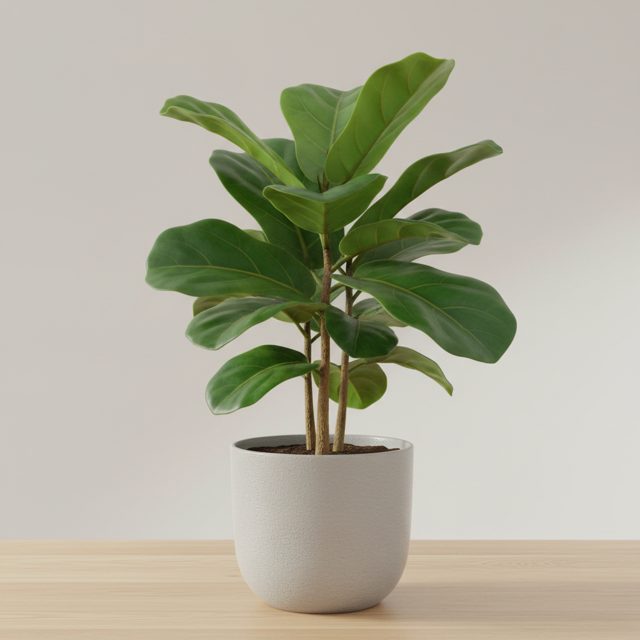
As the days shorten and temperatures plummet, our beloved houseplants face a unique set of challenges. The cozy warmth of your home might feel inviting to you, but it often brings dry air, reduced light, and fluctuating temperatures that can stress your green companions. Understanding how to adapt your plant care routine during the colder months is key to ensuring they not only survive but truly thrive.
Embrace the Light: Maximizing Winter Sun
Light is arguably the most critical factor for houseplants, and winter presents a significant reduction in both intensity and duration. Even south-facing windows receive less direct sun, and the sun's angle changes, casting longer shadows. To compensate, move your plants to the brightest available windows, ideally south or west-facing, ensuring they are not touching cold glass which can cause leaf damage.
Clean plant leaves regularly to remove dust, allowing for more efficient photosynthesis. Consider supplementing natural light with grow lights, especially for plants that are notoriously light-hungry or those showing signs of etiolation (stretching towards light). Even a few hours under a full-spectrum LED grow light can make a world of difference for their winter health and vigor.
Water Wisely: Less is Often More
One of the most common mistakes in winter houseplant care is overwatering. With less light and cooler ambient temperatures, plants enter a period of slower growth or dormancy, meaning they consume significantly less water. Their soil will take longer to dry out, and frequent watering can quickly lead to root rot.
Instead of sticking to a fixed schedule, monitor the soil moisture more carefully. Stick your finger an inch or two into the soil; if it feels damp, wait. For many plants, allowing the top two inches of soil to dry out completely before watering is a good rule of thumb. When you do water, ensure good drainage and avoid letting plants sit in standing water. Adjust this further for specific plant needs; succulents, for example, will need even less water in winter.
Humidity Heroes: Battling Dry Indoor Air
Our heating systems, while keeping us warm, strip the air of much-needed moisture, creating a desert-like environment for tropical houseplants. Low humidity can lead to crispy leaf edges, browning tips, and increased susceptibility to pests like spider mites. Aim for humidity levels between 40-60% for most tropical plants.
There are several effective ways to boost humidity. Grouping plants together creates a microclimate as they transpire, releasing moisture into the air. Pebble trays filled with water (making sure the pot sits on pebbles, not in water) offer a localized humidity boost. Regular misting can provide temporary relief but isn't a long-term solution. The most effective method is often a humidifier, especially in rooms with many humidity-loving plants.
- Group plants together to create a localized humid microclimate.
- Use pebble trays filled with water, ensuring pots are elevated.
- Employ a humidifier for consistent and effective humidity control.
- Avoid placing plants near heating vents or drafty windows.
Temperature Stability: Avoid Extremes
While plants might tolerate a slight dip in temperature during their dormant phase, rapid fluctuations and extreme cold or heat can be detrimental. Keep plants away from drafty windows and doors, as well as direct blasts from heating vents. These areas can cause significant stress, leading to leaf drop, wilting, or slowed growth.
Most houseplants prefer consistent room temperatures, typically between 65-75°F (18-24°C). Pay attention to nighttime temperatures as well; a significant drop can be shocking. If your home gets particularly cold at night, consider moving sensitive plants to a warmer spot or providing extra insulation around windows.
Skip the Snacks: Rethinking Fertilization
Just as plants slow their water uptake, their nutrient requirements also decrease significantly during winter. Most houseplants enter a period of dormancy or greatly reduced growth, making active feeding unnecessary. Fertilizing a dormant plant can lead to a build-up of salts in the soil, which can burn roots and cause leaf damage.
It's generally best to pause fertilization entirely from late fall through early spring. Resume feeding in spring when you notice new growth emerging, signaling that the plant is actively growing again. If you have a plant that is actively growing under grow lights, you might opt for a very diluted feed (quarter strength) very sparingly, but for the majority, a winter break is best.
Pest Patrol: Vigilance in Dry Conditions
Dry, warm indoor conditions, coupled with stressed plants, create an ideal breeding ground for common houseplant pests like spider mites, mealybugs, and scale. These pests can rapidly multiply and weaken your plants, making them even more vulnerable. Regular inspection is your best defense.
Thoroughly check the tops and undersides of leaves, stems, and soil for any signs of infestation. If you spot pests, isolate the affected plant immediately to prevent spread. Treat with appropriate organic solutions like neem oil or insecticidal soap, following product instructions carefully. Early detection and intervention are crucial to keeping your indoor garden pest-free through winter. PlantBetter can help identify pests and diseases, giving you actionable steps for treatment.
- Regularly inspect plants, especially leaf undersides and stem joints.
- Isolate any infested plants immediately to prevent spread.
- Treat with neem oil or insecticidal soap at the first sign of pests.
- Maintain good air circulation to deter fungal issues and pests.
Key takeaway
Winter presents unique challenges for houseplants, but by adjusting your light, water, humidity, and feeding routines, you can ensure your green companions remain vibrant and healthy. Stay observant and adapt your care to the specific needs of each plant, and they'll reward you with lush foliage until spring arrives.
Let PlantBetter help
PlantBetter identifies your plant from a photo and builds a care plan with reminders, so you always know what it needs next.