
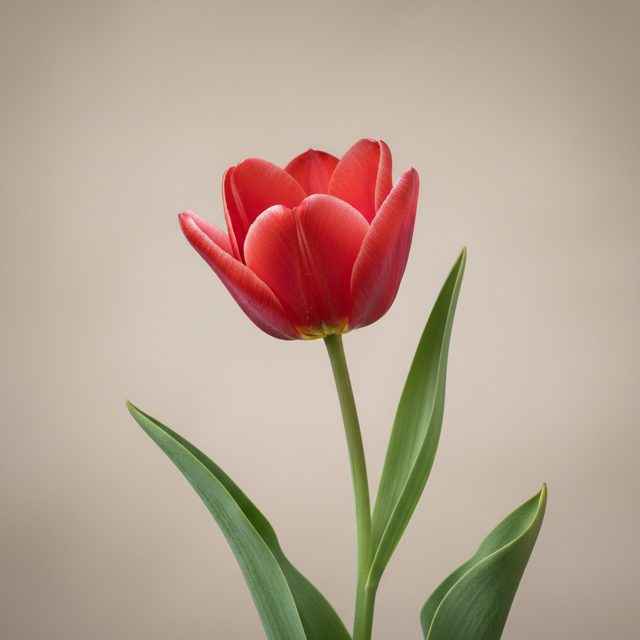
As the days grow longer and the last chill of winter recedes, gardeners everywhere feel the irresistible pull of spring. It's a season of renewal, promise, and hard work, laying the foundation for a flourishing landscape. To help you navigate the myriad tasks, we've compiled a comprehensive spring garden checklist, ensuring you don't miss a beat in preparing your green space for its most vibrant season.
Soil Preparation: The Foundation of Growth
Before you even think about planting, focus on your soil. Healthy soil is the bedrock of a thriving garden, providing essential nutrients, proper drainage, and aeration for roots. Start by clearing away any lingering winter debris, dead leaves, or spent annuals. This not only tidies up your beds but also removes potential hiding spots for pests and diseases.
Next, it's time to amend. If you haven't done a soil test recently, now is a great time to send a sample to your local extension office. This will give you precise information on your soil's pH and nutrient levels, allowing you to add amendments strategically. Generally, incorporating a generous layer of organic matter – such as compost, aged manure, or leaf mold – into your garden beds is universally beneficial. This improves soil structure, water retention, and nutrient availability, creating an ideal environment for plant roots.
Gently turn the soil over, being careful not to overwork it, which can destroy its structure. The goal is to loosen compacted areas and mix in your amendments. For raised beds, simply top-dress with fresh compost. Remember, good soil is a living ecosystem; nurturing it will pay dividends throughout the growing season.
Pruning & Trimming: Shaping for Success
Spring is a critical time for pruning many trees, shrubs, and perennials. The goal of spring pruning is often to remove dead or damaged wood, improve plant shape, encourage new growth, and enhance flowering. For deciduous trees and shrubs that flower on new wood (like Buddleia, Hydrangea paniculata, or roses), prune them back before new growth fully emerges. This stimulates vigorous new shoots that will bear flowers later in the season. Always use sharp, clean pruning tools to make clean cuts and minimize damage to the plant.
For perennials, cut back any remaining old foliage from last year, especially those that provide winter interest or protection. This makes way for fresh, new growth and helps prevent fungal diseases. Examine all your plants for any branches that show signs of winter damage, disease, or pest infestation, and remove them promptly. Proper pruning not only makes your plants look better but also improves air circulation and overall plant health, making them more resilient.
Be cautious with plants that bloom on old wood (like Lilacs, Forsythia, or Rhododendrons). Pruning these in early spring will remove their flower buds for the current year. Wait until immediately after they finish blooming to prune them, if necessary.
Early Planting & Seed Starting
Depending on your climate zone, early spring allows for planting of cool-season crops directly into the garden. Vegetables like lettuce, spinach, peas, radishes, carrots, and kale can often be sown as soon as the soil is workable. Check your local frost dates and soil temperature to determine the best time. Starting these early gives you a head start on the harvest before summer's heat arrives.
For warmth-loving plants like tomatoes, peppers, and most annual flowers, spring is the ideal time to start seeds indoors. This gives them a crucial head start, allowing them to develop strong root systems and sturdy stems before they face the challenges of the outdoor environment. Ensure your seedlings receive adequate light (grow lights are often essential), consistent moisture, and appropriate temperatures. As they grow, gradually acclimate them to outdoor conditions through a process called 'hardening off' over 7-10 days before transplanting.
Don't rush to plant tender annuals or vegetables outdoors until all danger of frost has passed in your area. A late frost can severely damage or kill young plants, setting back your gardening efforts significantly. Keep an eye on local weather forecasts and consult planting guides specific to your region.
- Direct sow: lettuce, spinach, peas, radishes, carrots, kale.
- Start indoors: tomatoes, peppers, petunias, zinnias.
- Harden off seedlings gradually before transplanting.
Pest & Disease Prevention
Spring is a crucial time to get ahead of potential pest and disease problems before they take hold. A proactive approach can save you a lot of trouble later in the season. Begin by thoroughly cleaning up any remaining plant debris from winter, as this can harbor overwintering pests and disease spores. Inspect your plants regularly as new growth emerges, looking for any signs of trouble like chewed leaves, discolored spots, or insect activity. Early detection is key to effective management.
Consider applying dormant oil to fruit trees and some ornamental shrubs before buds break. This suffocates overwintering insect eggs and larvae. For powdery mildew or other fungal issues, ensure good air circulation around your plants by spacing them appropriately and judiciously pruning dense foliage. If you notice specific pests, research organic solutions like neem oil, insecticidal soap, or introducing beneficial insects before resorting to stronger chemical treatments.
Healthy plants are naturally more resistant to pests and diseases. Providing proper nutrition through healthy soil, adequate water, and appropriate light conditions helps your plants develop their natural defenses. Remember that a diverse garden ecosystem, including flowers that attract beneficial insects, can also help keep pest populations in check. If you're unsure about a specific pest or plant disease, PlantBetter can help identify the issue and suggest appropriate care.
To further mitigate disease, practice good sanitation: sterilize your pruning tools between uses and after working on any diseased plants. Rotate your crops in vegetable beds each year to prevent the buildup of soil-borne pathogens specific to certain plant families.
- Clean up winter debris.
- Apply dormant oil to susceptible plants.
- Monitor plants frequently for early detection.
- Ensure good air circulation.
- Sterilize tools.
- Rotate crops.
Watering & Mulching Strategies
As temperatures rise and new growth begins, your garden's water needs will increase. While spring often brings its share of rain, it's important to monitor soil moisture and supplement with watering if natural rainfall is insufficient. Deep, infrequent watering is generally better than shallow, frequent watering, as it encourages roots to grow deeper into the soil, making plants more drought-tolerant. Check the soil moisture by sticking your finger a few inches down; if it feels dry, it's time to water.
Once your plants are established and the soil has warmed, applying a layer of organic mulch is one of the most beneficial tasks you can perform. Mulch offers numerous advantages: it helps retain soil moisture, suppresses weed growth, regulates soil temperature, and as it breaks down, it adds organic matter to the soil. Materials like wood chips, straw, shredded leaves, or compost work well. Aim for a 2-4 inch layer, keeping it a few inches away from plant stems and tree trunks to prevent moisture buildup and potential rot.
Mulching is particularly helpful around new plantings, as it reduces competition from weeds and helps keep the delicate root systems moist. It also creates a more uniform soil temperature, protecting roots from sudden temperature fluctuations. Over time, mulching reduces the amount of watering and weeding you'll need to do, freeing up more time to enjoy your flourishing garden.
Planning & Planting Warm-Season Crops
While cool-season crops are getting their start, spring is also the prime time for planning and preparing for your warm-season favorites. Review your garden layout, considering sun exposure and plant mature sizes. Decide which vegetables, herbs, and annual flowers you want to grow, and acquire your seeds or starts. Many garden centers will begin stocking warm-season annuals and vegetable seedlings as the threat of frost diminishes.
For warm-season vegetables like tomatoes, peppers, eggplants, squash, beans, and corn, resist the urge to plant them too early. They thrive in warm soil and warm air temperatures and will often sulk or even die if exposed to cold snaps. Wait until nighttime temperatures are consistently above 50-55°F (10-13°C) and all danger of frost has truly passed. This timing is crucial for their success.
When you're ready to plant, ensure your soil is well-prepared, as discussed earlier. Dig holes large enough to accommodate the root ball, and gently place the plant, ensuring its crown is at the same level as it was in its nursery pot. Water thoroughly after planting. If you use the PlantBetter app, remember to add your new plants and set up care reminders for watering, fertilizing, or other specific needs.
- Plan your garden layout.
- Acquire seeds or starts for warm-season plants.
- Wait for consistent warm temperatures before planting.
- Water new plantings thoroughly.
Tool Maintenance & Organization
Before the gardening season hits full swing, take a moment to inspect and maintain your tools. Clean any soil or rust from shovels, spades, and hoes. Sharpen pruning shears, loppers, and knives for clean cuts that promote plant health and make your work easier. Oil wooden handles to prevent cracking and treat metal parts with a rust preventative if necessary. A little care now will ensure your tools are ready when you need them most and prolong their lifespan.
Organize your shed or gardening space. Having a dedicated spot for every tool, pot, and amendment saves valuable time and frustration. Consider adding labels, hooks, and shelves to keep everything tidy and accessible. A well-organized workspace makes gardening more enjoyable and efficient, allowing you to focus on your plants rather than searching for lost items.
Check your irrigation system if you have one. Flush out lines, inspect for leaks, and ensure all emitters are working correctly. Replace batteries in timers. This preventative maintenance will ensure your plants receive consistent water throughout the growing season without wasting resources.
- Clean and sharpen all cutting tools.
- Oil wooden handles.
- Organize your garden shed/space.
- Check and maintain irrigation systems.
Key takeaway
Embrace the spring season with this comprehensive checklist to lay a strong foundation for a thriving garden, ensuring a beautiful and bountiful growing season ahead. Your diligent efforts now will reward you with vibrant blooms and delicious harvests for months to come.
Let PlantBetter help
PlantBetter identifies your plant from a photo and builds a care plan with reminders, so you always know what it needs next.