
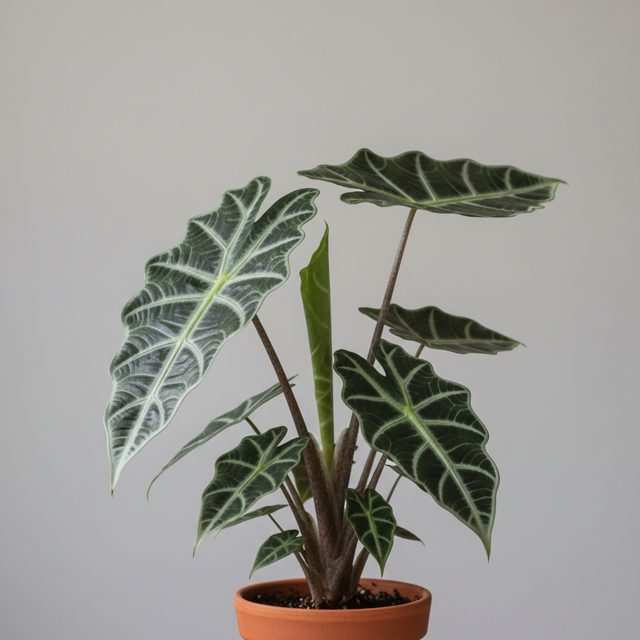
The world of houseplants is ever-evolving, reflecting broader societal shifts towards sustainability, wellness, and technological integration. As we look ahead to 2026, we see a fascinating blend of natural beauty and innovative solutions shaping our indoor green spaces. Get ready to transform your home with these inspiring trends.
1. Biophilic Design Takes Center Stage
Biophilic design, the concept of connecting humans with nature within built environments, will continue its robust growth. This isn't just about adding a few plants; it's about integrating natural elements, patterns, and processes into your living and working spaces to enhance well-being, productivity, and connection. Expect to see entire walls dedicated to vertical gardens, living moss art, and strategically placed large specimens that mimic natural ecosystems.
To embrace this, consider creating designated 'green zones' in your home. Think about the flow between your plants and other natural materials like wood, stone, and natural light. The goal is to create an immersive, calming environment that blurs the lines between indoors and out, fostering a sense of peace and vitality.
2. The Rise of 'Hard to Kill' & Low-Maintenance Plants
While exotic and rare plants will always have their niche, the mainstream trend for 2026 leans heavily towards resilient, low-maintenance varieties. People are busier than ever, and the desire for green spaces without constant fuss is paramount. Expect favorites like Snake Plants (Sansevieria), ZZ Plants (Zamioculcas zamiifolia), Pothos, and peace lilies to remain popular, joined by new hybrids bred for enhanced durability.
This trend is fueled by the success of new plant parents and the desire to enjoy the benefits of plants without the stress of constant care. Look for plants that can tolerate a range of light conditions, irregular watering, and don't require high humidity. This makes plant ownership more accessible and enjoyable for everyone, from novice to experienced gardeners.
3. Smart Planters & Integrated Plant Tech
Technology continues to intertwine with horticulture, and 2026 will see a significant leap in smart plant care. From self-watering planters with integrated light sensors to smart pots that monitor soil moisture, nutrients, and even air quality, these innovations are designed to make plant parenting effortless. Apps will connect to these devices, offering real-time data and personalized care recommendations.
Consider investing in a smart lighting system that mimics natural sunlight cycles or a self-watering planter for your thirstiest plants. While not replacing the joy of hands-on care, these tools provide valuable support, especially for busy individuals or those with a tendency to over or under-water. PlantBetter can already help you identify your plants and set reminders for basic care tasks, making future tech integrations even more seamless.
4. Edible & Herbaceous Houseplants
The 'grow your own food' movement is moving indoors with renewed vigor. Beyond simple herb gardens, 2026 will see a rise in edible houseplants that can thrive in a home environment. Think dwarf citrus trees, indoor berry bushes, miniature tomato plants, and a wider variety of leafy greens that can be cultivated year-round, regardless of climate.
These plants offer both aesthetic appeal and practical benefits, providing fresh ingredients for cooking and a tangible connection to food production. Starting with easy herbs like basil, mint, and chives is a great first step, then gradually experiment with more substantial edibles that fit your space and light conditions.
5. The Return of Terrariums & Enclosed Ecosystems
Miniature self-sustaining worlds are making a grand comeback. Terrariums, particularly closed terrariums, offer a beautiful way to enjoy a diverse collection of small plants with minimal intervention. They create their own microclimates, reducing the need for frequent watering and providing a fascinating, dynamic display. Expect to see intricate designs, unusual plant pairings, and bespoke containers.
Building a terrarium is a rewarding DIY project. Focus on selecting moisture-loving plants like ferns, mosses, and fittonia, along with appropriate substrate layers for drainage and growth. These enclosed ecosystems are perfect for adding a touch of lush greenery to small spaces or as captivating centerpieces.
6. Bold Foliage and Variegation Reign Supreme
While flowers are lovely, the focus in 2026 will remain firmly on striking foliage. Variegated leaves, with their mesmerizing patterns of white, cream, pink, or yellow against green, will continue to be highly sought after. Beyond variegation, plants with dramatic leaf shapes, textures, and deep, rich colors will dominate wish lists. Think Alocasia, Calathea, and the ever-popular Ficus varieties.
When choosing plants, don't just think about bloom time; consider the year-round visual interest their leaves provide. Experiment with different leaf sizes, shapes, and color palettes to create a diverse and engaging indoor jungle. Grouping plants with contrasting foliage can create a truly stunning display, even without a single flower in sight.
7. Sustainable Sourcing & Ethical Plant Commerce
Conscious consumerism is extending fully into the plant world. In 2026, plant enthusiasts will increasingly prioritize sustainable sourcing, ethical labor practices, and environmentally friendly packaging. Buyers will seek out nurseries that use peat-free potting mixes, avoid harmful pesticides, and propagate plants responsibly to prevent over-collection from wild habitats.
This trend encourages supporting local growers, opting for plants grown from cuttings rather than wild-collected specimens, and inquiring about a plant's origin. It's about ensuring that our love for plants doesn't come at an environmental or social cost, fostering a healthier, more responsible plant community.
Key takeaway
Embrace these houseplant trends for 2026 to cultivate a more connected, sustainable, and technologically enhanced indoor garden. Whether you're a seasoned enthusiast or just starting, there's a green trend for every home.
Let PlantBetter help
PlantBetter identifies your plant from a photo and builds a care plan with reminders, so you always know what it needs next.