
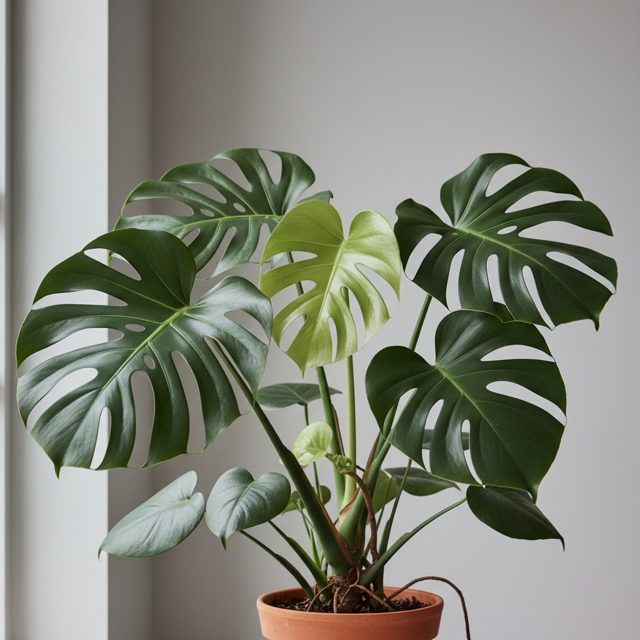
You've brought a beautiful new plant home, or perhaps you've inherited a mystery green friend. It looks healthy from the nursery, but weeks later, leaves are yellowing, growth is stunted, or worse. The secret to transforming a struggling plant into a thriving one often begins with one fundamental piece of information: its name. Knowing your plant's specific identity isn't just for botanists; it's the gateway to successful plant care for everyone.
The Foundation of Proper Care: Species-Specific Needs
Imagine trying to care for a pet without knowing if it's a cat, a fish, or a bird. You wouldn't know what to feed it, how much space it needs, or what environment suits it best. Plants are no different. Each species has evolved in a unique ecosystem, developing specific requirements for light, water, humidity, and nutrients. A cactus thrives in bright, dry conditions, while a fern needs shade and consistent moisture. Treating them both the same is a recipe for disaster.
When you know your plant's scientific or common name, you gain access to a wealth of tailored information. Instead of generic advice, you can research exactly what your plant needs to flourish. This knowledge empowers you to create an environment where your plant isn't just surviving, but truly thriving, mirroring its natural habitat as closely as possible within your home or garden.
Decoding Light Requirements
Light is arguably the most critical factor for a plant's health, as it fuels photosynthesis. However, 'bright light' means vastly different things to different plants. A peace lily might scorch in direct sun, preferring bright, indirect light, while a succulent will stretch and etiolate if it doesn't get several hours of direct sunshine daily. Without knowing the species, you're essentially guessing where to place it.
Identifying your plant allows you to understand its specific light preferences. Does it need direct sun, bright indirect light, moderate indirect light, or low light? This insight helps you choose the perfect spot in your home – near a south-facing window, a north-facing one, or tucked away in a shadier corner – ensuring it receives the optimal amount of energy for growth.
Mastering the Art of Watering
Overwatering and underwatering are two of the most common causes of plant demise. The problem is that the symptoms can often look similar (yellowing leaves, wilting), leading to confusion. A plant that prefers consistently moist soil will suffer if allowed to dry out completely, while a plant that likes to dry out between waterings will quickly develop root rot if kept constantly wet.
Your plant's identity provides the roadmap for its watering schedule. Is it a moisture-loving tropical plant, a drought-tolerant succulent, or something in between? Knowing this helps you understand the soil moisture levels it prefers and how frequently to check the soil, leading to healthier roots and a happier plant overall. You'll learn to water smarter, not just more often.
Understanding Humidity and Temperature Needs
Beyond light and water, humidity and temperature play a significant role in plant health, especially for indoor plants. Many popular houseplants originate from tropical rainforests, where humidity is consistently high. Your average home environment, especially in winter with heating, can be significantly drier than they prefer, leading to crispy leaf edges or poor growth.
Knowing your plant's name allows you to determine its ideal humidity range and temperature tolerances. This information can guide you on whether to mist your plant, place it near a humidifier, group it with other plants, or even if it's suitable for a specific room in your house that might be warmer or cooler than others. It also helps in identifying potential stress factors if the environment isn't quite right.
Tailoring Fertilization and Soil Mix
Not all plants have the same nutritional demands, nor do they all thrive in the same type of soil. Some plants are heavy feeders, while others require very little fertilization. Similarly, some prefer well-draining, airy soil, while others need a denser, moisture-retentive mix. Using a generic houseplant fertilizer or potting mix for every plant can lead to nutrient deficiencies or excesses, and improper drainage.
With a plant's identification, you can research its specific soil preferences (e.g., acidic, alkaline, well-draining, rich in organic matter) and its typical fertilization schedule and nutrient needs. This allows you to select the appropriate potting mix and fertilizer, ensuring your plant receives the precise nutrients it needs at the right time for robust growth and flowering.
Proactive Pest and Disease Management
Certain plant species are more susceptible to particular pests or diseases. For example, some plants are magnets for spider mites, while others might be prone to specific fungal issues. If you don't know what plant you have, diagnosing an issue can be a frustrating guessing game, and applying the wrong treatment can do more harm than good.
Once you've identified your plant, you can easily research common issues it faces. This proactive knowledge allows you to recognize early signs of distress, spot common pests specific to your plant, and implement targeted treatments far more effectively. Prevention and early intervention are much easier when you know what you're looking for with your particular plant.
- Recognize species-specific vulnerabilities.
- Identify pest infestations more quickly.
- Administer targeted, safe treatments.
- Understand if symptoms are normal for the species.
The Joy of Connection and Understanding
Beyond the practical benefits, knowing your plant's name fosters a deeper connection to the natural world. It allows you to appreciate its unique characteristics, its origin, and its botanical relatives. You can learn about its common names, its scientific classification, and even its folklore. This enriches your plant care journey, turning it into a more meaningful and educational experience.
Embracing this knowledge transforms you from a casual plant owner into a confident plant parent. Whether you use a plant identification app to quickly name your new green friend or spend time researching its species, taking that first step fundamentally changes your approach to plant care, leading to healthier plants and a more rewarding gardening experience.
Key takeaway
Identifying your plant by name is the single most important step in successful plant care. It unlocks specific knowledge about its needs, transforming guesswork into confident, effective nurturing for a thriving green oasis.
Let PlantBetter help
PlantBetter identifies your plant from a photo and builds a care plan with reminders, so you always know what it needs next.