
Light is undeniably one of the most critical factors for houseplant health, yet it's often the most misunderstood. Providing the right amount of light can mean the difference between a flourishing specimen and one that slowly declines. This comprehensive guide will demystify plant light levels, equipping you with the knowledge to give your green companions exactly what they need to thrive.
Why Light Matters: The Science Behind Photosynthesis
At its core, plant growth is fueled by photosynthesis, a remarkable process where plants convert light energy into chemical energy. This energy, primarily in the form of sugars, is then used for everything from root development to leaf production and flowering. Without adequate light, plants simply cannot produce enough energy to sustain themselves, leading to weakened growth, yellowing leaves, and susceptibility to pests and diseases.
Conversely, too much light can also be detrimental. Intense, direct sunlight can scorch delicate leaves, causing brown spots or a bleached appearance. Finding the 'sweet spot' for each plant is key, and it requires understanding both the intensity and duration of light exposure in your home environment.
Demystifying 'Bright Light' for Plants
When a plant care guide mentions 'bright light,' it's referring to an area that receives strong, consistent illumination throughout most of the day, but often without harsh, direct sun. Think of a room with a large south-facing window (in the Northern Hemisphere) or an east/west-facing window where the plant is slightly set back, receiving several hours of indirect, intense light.
Bright light locations are ideal for many popular houseplants that originate from open, sunny habitats. While some bright light lovers can tolerate a few hours of direct morning or late afternoon sun, prolonged exposure to intense midday sun can still be too much for many. Signs your plant might be getting too much light include bleached or yellowing leaves, crispy brown edges, or stunted growth despite adequate watering.
To achieve bright, indirect light, consider placing plants a few feet away from a south-facing window, or directly in an east or west-facing window where they receive direct light for only a few hours. Filtering direct sun with sheer curtains is another excellent strategy for plants that crave brightness but burn easily.
- Characterized by strong, consistent illumination.
- Often near south, east, or west-facing windows (with precautions).
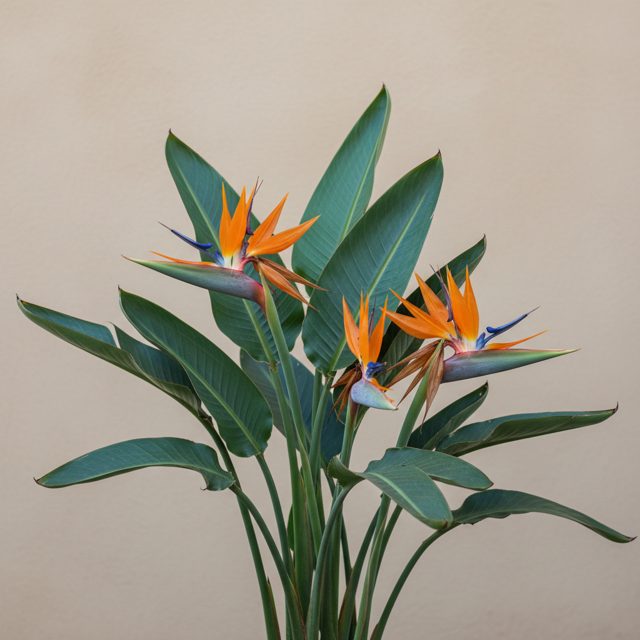
- Ideal for succulents, cacti, Ficus species, Bird of Paradise, and some Pothos varieties.
Understanding 'Medium Light' Requirements
'Medium light,' also known as 'moderate light' or 'bright indirect light,' is perhaps the most common recommendation for indoor plants, and for good reason. This light level provides ample energy for photosynthesis without the risk of scorching. It simulates the conditions found on a forest floor, where plants receive filtered sunlight through a canopy of trees.
You can achieve medium light by placing plants several feet away from a bright window, or in a room with good ambient light that doesn't receive direct sun. North-facing windows (in the Northern Hemisphere) often provide excellent medium light. The key is that the area is well-lit, but no direct sunbeams ever fall onto the plant's leaves.
Plants in medium light locations thrive when they can see the sky clearly, but not the sun itself. If you're unsure, try the 'hand test': hold your hand about a foot above the plant. If you see a soft, blurry shadow, you're likely in a medium light zone. If the shadow is sharp and well-defined, it's brighter; if there's almost no shadow, it's lower light.
- The most common recommendation for houseplants.
- Ample light without direct sun exposure.
- Excellent for Philodendrons, Monsteras, Prayer Plants, ZZs, and most Dracaenas.
What 'Low Light' Truly Means for Your Plants
While some plants are advertised as 'low light,' it's important to understand that no plant truly thrives in perpetual darkness. 'Low light' typically refers to areas that receive dim, indirect illumination, often from a distant window or solely from artificial room lighting. These are conditions that mimic the deep shade found beneath a dense forest canopy.
Low light areas might be found in north-facing rooms with small windows, hallways, or corners far from any light source. While plants in these conditions won't grow vigorously, many can survive and even maintain their foliage. Growth will be slower, and variegation (colorful patterns on leaves) might fade as the plant tries to maximize its green photosynthetic surface.
If your plant is in low light, be particularly mindful of watering, as less light means less water is used through transpiration. Overwatering is a common killer in low light conditions. Also, consider supplementing with artificial grow lights if you notice signs of decline, such as stretched, pale growth or yellowing lower leaves.
- Refers to dim, indirect illumination, not true darkness.
- Plants will survive, but growth will be slow.
- Suitable for Snake Plants, ZZ Plants, Pothos, and Cast Iron Plants.
Signs Your Plant is Telling You About its Light Needs
Your plants are excellent communicators; you just need to learn their language. Paying close attention to their appearance and growth patterns can tell you a lot about whether they're getting the right amount of light. Identifying these cues early can prevent long-term damage and help you adjust their environment accordingly.
If leaves are yellowing or bleaching, turning crispy, or developing scorched spots, it's likely receiving too much direct light. Move it further from the window or provide sheer curtain filtration. Conversely, if new growth is leggy, stretched, or smaller than usual, if leaves are dull and losing variegation, or if lower leaves are dropping, your plant probably needs more light. Consider moving it to a brighter spot or supplementing with a grow light. Yellowing of lower leaves can also be a sign of low light, as the plant sacrifices older leaves to support newer growth.
- **Too Much Light:** Yellowing/bleaching, crispy brown spots, scorched patches.
- **Too Little Light:** Leggy, stretched growth; small new leaves; dull foliage; loss of variegation; yellowing lower leaves; dropped leaves.
Adapting to Your Home's Unique Light Profile
Every home is different, and the light conditions within a single room can vary dramatically throughout the day and across seasons. Factors like window size, direction, exterior obstructions (trees, buildings), and even wall color can influence the light available to your plants. Don't be afraid to experiment and observe how your plants respond.
Consider rotating your plants periodically to ensure even growth, especially if they are near a window. In winter, when light levels are naturally lower, you might need to move some plants closer to windows or introduce supplemental grow lighting. During summer, stronger light may require moving plants back or adding more shade. Regularly assessing your space and your plants' reactions will lead to a healthier, happier indoor garden.
Remember, tools like PlantBetter can help you identify your plants and provide specific care instructions, including light preferences, making it easier to provide the perfect environment for each green friend.
Key takeaway
Mastering plant light levels is fundamental for successful indoor gardening. By understanding the nuances of bright, medium, and low light, and observing your plants for cues, you can create an optimal environment for every green companion to flourish.
Let PlantBetter help
PlantBetter identifies your plant from a photo and builds a care plan with reminders, so you always know what it needs next.