
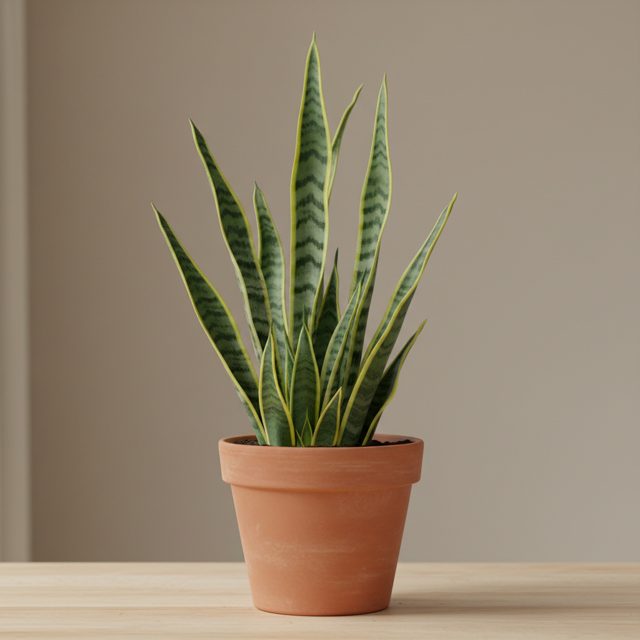
The idea that houseplants can purify the air in our homes is incredibly popular, often cited as a major benefit of indoor gardening. While plants certainly bring beauty and a sense of calm to our spaces, the extent of their air-purifying powers is a topic often misunderstood. Let's separate the scientific facts from the widely circulated myths.
The NASA Clean Air Study: Where It All Began
The widespread belief in plants as air purifiers largely stems from a groundbreaking study conducted by NASA in 1989. Titled "Interior Landscape Plants for Indoor Air Pollution Abatement," this research aimed to find natural ways to clean the air in sealed spacecraft environments. The study showed that certain plants could effectively remove volatile organic compounds (VOCs) like benzene, formaldehyde, and trichloroethylene from a sealed chamber.
While the NASA study was instrumental in highlighting the potential of plants, it's crucial to understand its context. The experiments were conducted in small, sealed chambers, an environment vastly different from a typical home or office with open windows, air circulation, and constant introduction of new air. This difference in scale and environment is key to understanding the practical implications.
Myth: A Few Houseplants Will Detox Your Entire Home
This is perhaps the biggest misconception. While the NASA study proved plants *can* remove toxins, the rate and volume at which they do so in a typical home environment are often overestimated. For a single plant to have a significant impact on indoor air quality in an average-sized room, you would need an impossibly large number of plants – often cited as dozens, or even hundreds, per room.
Modern homes are much larger and have far more air exchange than the sealed chambers used in the NASA study. Air naturally circulates and exchanges with outdoor air through ventilation, doors, and windows, diluting pollutants much more effectively than a few potted plants ever could. This natural ventilation, alongside HVAC systems, plays a far greater role in maintaining indoor air quality than foliage alone.
Fact: Plants Do Consume CO2 and Release Oxygen
This is undeniably true and a fundamental aspect of plant biology. Through photosynthesis, plants absorb carbon dioxide from the atmosphere and convert it into oxygen and sugars for energy. This process is beneficial, as it helps to replenish oxygen and reduce CO2 levels, especially in enclosed spaces.
However, the amount of oxygen released by a typical houseplant is relatively small compared to what humans consume, or what is supplied by an open window. While a room full of plants can make a noticeable difference in CO2 levels in very tightly sealed, small spaces, the impact in a regularly ventilated room is generally minor for an individual plant.
Fact: Plants Improve Humidity and Reduce Dust
Beyond chemical purification, plants contribute positively to indoor environments in other tangible ways. As plants transpire (release water vapor through their leaves), they naturally increase humidity levels in a room. This can be particularly beneficial in dry climates or during winter months when indoor heating can significantly reduce humidity, leading to dry skin, irritated throats, and static electricity.
Additionally, the broad surfaces of plant leaves can act as natural dust collectors, trapping airborne particles and preventing them from circulating as freely. Regularly wiping down your plant's leaves not only keeps them healthy but also removes these trapped dust particles from your air, contributing to a cleaner environment.
Fact: The Real 'Air Purifier' Benefits Are Often Psychological
Perhaps the most profound and scientifically supported benefit of indoor plants isn't their direct chemical air-purifying prowess, but their positive impact on our mental well-being. Studies have shown that being around plants can reduce stress, improve mood, increase focus, and even lower blood pressure. This phenomenon is often referred to as 'biophilia' – our innate human connection to nature.
The simple act of caring for a living thing, watching it grow, and enjoying its natural beauty can significantly enhance our quality of life and create a more pleasant indoor environment. While the direct chemical scrubbing might be minimal, the 'feel-good' factor and aesthetic benefits are undeniable and contribute immensely to our perception of a 'cleaner' or healthier space.
Practical Advice for a Healthier Home Environment
While plants alone won't replace a high-quality air filter or proper ventilation, they are still valuable additions to any home. For optimal indoor air quality, consider a multi-pronged approach:
Focus on reducing pollutant sources: Choose low-VOC paints and furnishings, use natural cleaning products, and ensure proper ventilation when cooking or using chemicals. Regular cleaning also helps reduce dust and allergens. Use mechanical air purifiers: For significant removal of airborne particles and VOCs, a HEPA filter or activated carbon air purifier is far more effective than plants alone.
Embrace plants for their other benefits: Enjoy your plants for their beauty, ability to boost humidity, reduce dust, and most importantly, enhance your mental well-being. The positive psychological effects are well-documented and provide a compelling reason to fill your home with greenery. PlantBetter can help you identify the perfect plants for your space and set care reminders so they thrive!
- Ensure good ventilation by opening windows regularly.
- Use air purifiers with HEPA and activated carbon filters.
- Reduce sources of indoor air pollutants.
- Enjoy plants for their aesthetic and mental health benefits.
Key takeaway
While the direct chemical air-purifying power of a few houseplants is often overstated, they offer undeniable benefits like increased humidity, reduced dust, and significant psychological well-being. Combine plants with good ventilation and air purifiers for the healthiest home environment.
Let PlantBetter help
PlantBetter identifies your plant from a photo and builds a care plan with reminders, so you always know what it needs next.