
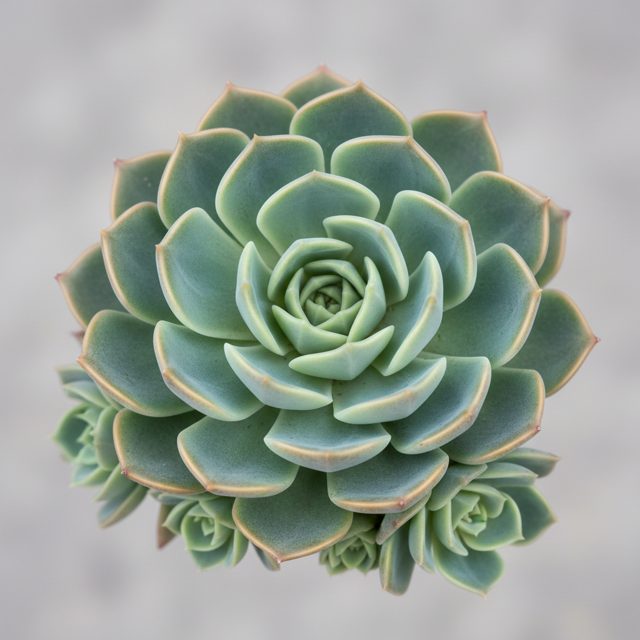
Succulents have taken the plant world by storm, and for good reason! Their diverse shapes, vibrant colors, and drought-tolerant nature make them appealing to seasoned plant parents and novices alike. However, despite their reputation for being easy, succulents have specific care requirements that, if misunderstood, can lead to common pitfalls. This guide will help you identify and avoid the seven most frequent mistakes beginners make, ensuring your succulent collection thrives.
1. Overwatering: The Silent Killer
This is by far the most common mistake and the quickest way to send your succulent to an early grave. Succulents store water in their leaves, stems, and roots, meaning they don't need frequent watering. Overwatering leads to root rot, where the roots sit in saturated soil and literally drown, then decay.
Instead of watering on a schedule, water based on the plant's needs and the soil's dryness. Stick your finger about an inch or two into the soil; if it's moist, wait. If it's completely dry, it's time to water. When you do water, water deeply until it drains out the bottom of the pot, then let the soil dry out completely before the next watering.
2. Insufficient Light: The Stretch for Survival
While some succulents can tolerate lower light, most varieties require ample bright light to maintain their compact form and vibrant colors. Without enough light, succulents will 'etiolate' or stretch, becoming leggy and pale as they desperately search for a light source. This stretching isn't just aesthetic; it weakens the plant.
Place your succulents in a south-facing window (in the Northern Hemisphere) or under a dedicated grow light if natural light is scarce. Rotate your plants periodically to ensure all sides receive adequate light. If you notice your succulent stretching, gradually introduce it to brighter light to avoid sunburn.
3. Using the Wrong Soil: A Drainage Disaster
Standard potting soil is designed to retain moisture, which is the exact opposite of what succulents need. Succulents require well-draining soil that allows water to pass through quickly, preventing their roots from sitting in damp conditions.
Always use a specialized succulent or cactus potting mix. These mixes typically contain a higher percentage of inorganic materials like perlite, pumice, or coarse sand, which improve drainage and aeration. You can also create your own by mixing regular potting soil with equal parts perlite or pumice.
4. Lack of Drainage Holes: Potting for Failure
A beautiful pot without a drainage hole might look appealing, but it's a death trap for succulents. Without a way for excess water to escape, water will accumulate at the bottom of the pot, inevitably leading to root rot, even if you're careful with your watering.
Always choose pots with at least one drainage hole. If you absolutely must use a decorative pot without drainage, use it as a cachepot (a decorative outer pot) and keep your succulent in a smaller nursery pot with drainage inside. Remove the plant from the cachepot to water, allowing it to drain fully before returning it.
5. Ignoring Pests: Small Invaders, Big Problems
Even tough succulents can fall victim to pests, with mealybugs and spider mites being common culprits. These tiny invaders can hide in crevices, under leaves, and in the soil, slowly weakening and ultimately killing your plant if left untreated. Many beginners don't realize their succulent is under attack until the infestation is severe.
Regularly inspect your succulents for any signs of pests, such as white cottony masses (mealybugs), webbing (spider mites), or tiny black spots. If you find pests, isolate the affected plant immediately. Treat mild infestations by dabbing mealybugs with rubbing alcohol on a cotton swab or rinsing spider mites off with water. For more severe cases, use an insecticidal soap specifically formulated for succulents.
6. Forgetting Dormancy Periods: Season of Rest
Many beginners treat succulents as if they're always in an active growth phase. However, most succulents have a dormant period, often during winter for summer growers or summer for winter growers. During dormancy, their water and nutrient needs decrease significantly.
Research your specific succulent varieties to understand their growth and dormancy cycles. During dormancy, reduce watering frequency and hold off on fertilizing. Providing too much water or nutrients during this rest period can stress the plant and lead to rot.
7. Neglecting Plant-Specific Needs: One Size Doesn't Fit All
While general succulent care guidelines exist, it's crucial to remember that the succulent family is vast and diverse. A Haworthia's needs differ from an Echeveria's, which differs from a Cactus. Treating all succulents exactly the same can lead to unhappy plants.
Once you bring a new succulent home, take a moment to identify its specific species. Use a plant identification app like PlantBetter to quickly determine your plant's name. Then, do a quick search for its particular light, water, and soil preferences. PlantBetter can also help you set care reminders tailored to your specific plants, ensuring you never miss a watering or light adjustment.
Key takeaway
By avoiding these seven common mistakes, you'll set your succulents up for success, ensuring they remain vibrant, healthy, and a beautiful addition to your home. Happy planting!
Let PlantBetter help
PlantBetter identifies your plant from a photo and builds a care plan with reminders, so you always know what it needs next.