
Transforming your bathroom into a lush, green oasis is easier than you think, especially when you choose plants that naturally thrive in high humidity. Far from being a challenging environment, the steamy conditions of a bathroom mimic the tropical homes of many popular houseplants, making it an ideal spot for them to flourish. Let's dive into the best plants that will not only survive but truly thrive in your bathroom, turning it into a vibrant, serene sanctuary.
Understanding Your Bathroom's Unique Environment
Before we explore specific plants, it's crucial to understand why bathrooms are so special for certain species. The primary factor is humidity. Showers and baths create a consistent, high-moisture atmosphere that many plants crave, especially those originating from rainforests or tropical climates. This humidity reduces water loss through their leaves and helps them maintain turgor.
Beyond humidity, bathrooms often have fluctuating temperatures, especially if they are well-used. Lighting can also vary significantly, from bright, direct sun in a windowed bathroom to very low light in an interior space. Considering these factors—humidity, temperature, and light—will help you select the perfect plant companions for your specific bathroom.
Ferns: The Quintessential Humidity Lovers
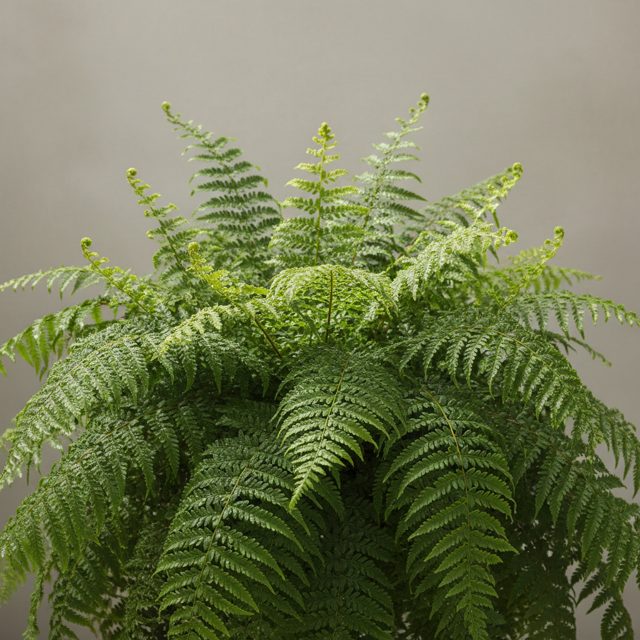
Ferns are arguably the most iconic bathroom plants, and for good reason. Their delicate, frilly fronds practically drink in the humidity, and they typically prefer indirect light, making them perfect for many bathroom settings. Their natural habitat is often the forest floor, where light is dappled and moisture is abundant.
The Boston Fern (Nephrolepis exaltata) is a classic choice, known for its arching, feathery fronds. It loves bright, indirect light and consistent moisture. The Maidenhair Fern (Adiantum spp.) is another exquisite option, famous for its dainty, fan-shaped leaflets and wiry black stems. However, Maidenhair ferns are a bit more demanding; they require extremely high humidity and consistent moisture, never letting their soil dry out completely. For a slightly more robust option, consider the Kimberly Queen Fern, which tolerates slightly drier conditions while still appreciating the humidity.
To keep your ferns happy, ensure their soil remains consistently moist but not waterlogged. Placing their pot on a pebble tray filled with water can also boost local humidity, especially if your bathroom isn't steamy all day.
Orchids: Elegant Blooms for Your Spa-Like Retreat
Many varieties of orchids, particularly Phalaenopsis (Moth Orchids), are surprisingly excellent candidates for the bathroom. In their natural tropical environments, they often grow as epiphytes, attaching themselves to trees and absorbing moisture from the air. This makes the humid conditions of a bathroom ideal for them, reducing the common problem of dry air that can plague orchids in other parts of the house.
Phalaenopsis orchids thrive in bright, indirect light—perfect for a bathroom window that receives eastern or northern exposure. Water them once every 1-2 weeks, allowing the potting medium (often bark or moss) to dry out slightly between waterings. The humidity in your bathroom will help keep their aerial roots hydrated and their elegant blooms lasting longer, truly elevating your space into a spa-like retreat.
Calatheas and Marantas: Living Art That Loves Moisture
Known for their stunning, patterned foliage, plants from the Calathea and Maranta families (often grouped as 'Prayer Plants') are true showstoppers that revel in high humidity. Their leaves often feature intricate patterns, vibrant colors, and unique movements—folding up at night and unfurling during the day.
Calatheas, like the Rattlesnake Plant (Calathea lancifolia) or the Peacock Plant (Calathea makoyana), are particularly sensitive to dry air, which can cause their leaf edges to crisp. The bathroom's humidity is their paradise. They prefer medium to low indirect light and consistently moist soil. Marantas are similar in their requirements but can be a bit more forgiving.
These plants can be a bit finicky if their environmental needs aren't met, but the bathroom provides a perfect head start. Consistent humidity prevents many common issues, allowing their striking foliage to truly shine.
Pothos and Philodendrons: Hardy and Humid-Friendly
If you're looking for resilient plants that still appreciate humidity, Pothos (Epipremnum aureum) and Philodendrons (Philodendron hederaceum, for example) are fantastic choices. These vining plants are incredibly adaptable to various light conditions, from low to bright indirect, and are known for their tolerance of occasional neglect. The added humidity in a bathroom only makes them happier and encourages lusher growth.
Both Pothos and Philodendrons can be grown in hanging baskets, allowing their elegant vines to trail down, or placed on shelves where they can cascade. Water them when the top inch or two of soil feels dry. The bathroom's humidity helps prevent issues like dry leaf tips and encourages vigorous growth, making them incredibly low-maintenance and rewarding additions to your space.
Peace Lilies: Elegant Blooms and Air Purification
The Peace Lily (Spathiphyllum) is a popular houseplant beloved for its elegant white 'flowers' (which are actually modified leaves called spathes) and glossy green foliage. These plants are native to tropical rainforests, making them prime candidates for the humid conditions found in bathrooms.
Peace Lilies are also known for their air-purifying qualities, making them not just beautiful but beneficial additions to your home. They prefer low to medium indirect light and consistently moist soil. When a Peace Lily starts to droop, it's usually a clear sign it needs water, and it often perks up quickly after a good drink. The natural humidity in a bathroom helps keep their large leaves from drying out and supports their vibrant growth.
Caring for Your Bathroom Botanicals
Once you've selected your humidity-loving plants, a few care tips will ensure they thrive. While humidity is a major bonus, remember to consider light. Even humidity-loving plants can get scorched by direct, intense sun, especially through a window. Opt for indirect light, or use sheer curtains to diffuse bright rays.
Proper watering is also key. While these plants love moisture, they generally don't like sitting in waterlogged soil. Ensure your pots have drainage holes. If your bathroom has very low light, you might need to water less frequently than you would for the same plant in a brighter room, as less light means slower water evaporation. Also, consider air circulation; opening a window or using an exhaust fan periodically can prevent mold growth on soil surfaces, especially in very humid, low-light environments. And if you ever need help identifying a new plant or remembering its specific care needs, the PlantBetter app is a great tool for instant identification and personalized watering reminders!
With the right plant choices and a little attentive care, your bathroom can easily become a steamy, lush sanctuary, offering a refreshing burst of nature every day.
Key takeaway
Embrace your bathroom's natural humidity to create a thriving green space with plants like ferns, orchids, and prayer plants. By matching plants to your bathroom's unique conditions, you'll cultivate a serene, vibrant oasis.
Let PlantBetter help
PlantBetter identifies your plant from a photo and builds a care plan with reminders, so you always know what it needs next.