
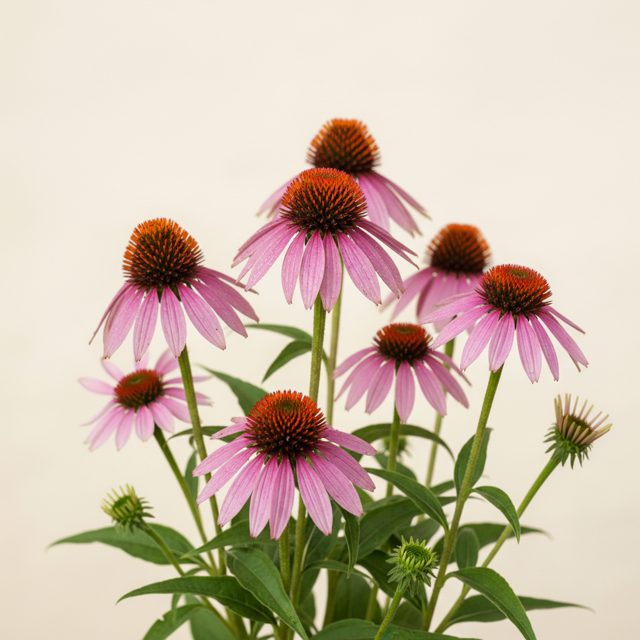
Pollinators are the unsung heroes of our ecosystems, vital for the reproduction of over 75% of the world's flowering plants and about 35% of global food crops. Creating a pollinator-friendly garden is one of the most impactful ways you can contribute to environmental health and enjoy a more vibrant, living landscape right outside your door. Let's explore how to design and maintain a beautiful haven for these essential creatures.
Know Your Local Pollinators and Their Needs
Before you start digging, take a moment to understand which pollinators are native to your region. Different pollinators, such as various species of bees, butterflies, moths, hummingbirds, and even some beetles, have distinct preferences for plant types, flower shapes, and colors. Researching your local ecosystem will help you select plants that are most effective at attracting and sustaining these specific visitors.
For example, long-tongued bees and butterflies prefer deep, tubular flowers, while broad, flat flowers are ideal for smaller bees and flies. Hummingbirds are particularly drawn to red or orange tubular blooms. Observing your current garden or local parks can also give you clues about what's already thriving and attracting attention in your area.
Choose a Diverse Array of Native Plants
The cornerstone of a successful pollinator garden is a diverse selection of native plants. Native plants are those that have evolved in your specific region, making them perfectly adapted to the local climate and soil conditions. More importantly, native insects and animals have co-evolved with these plants, often relying on them for food, shelter, and breeding sites. This symbiotic relationship means native plants are far more effective at supporting local pollinator populations than non-native alternatives.
Aim for a variety of flower colors, shapes, and bloom times to ensure a continuous food source throughout the growing season, from early spring to late fall. This caters to the diverse dietary needs of various pollinators and guarantees there's always something in bloom for them to forage on. Consider a mix of annuals and perennials to provide both season-long color and returning beauty.
- Include host plants for butterflies (e.g., milkweed for Monarchs).
- Plant in groups or drifts of the same species to create a visible 'target' for pollinators.
- Ensure a continuous succession of blooms from spring to fall.
Provide Essential Resources Beyond Nectar
While nectar and pollen are crucial, a truly pollinator-friendly garden offers more than just food. Pollinators also need water, shelter, and nesting sites. A shallow bird bath with stones for landing, or a small mud puddle, can be an excellent water source for bees and butterflies. Avoid deep, open water where they might drown.
For shelter, consider leaving some areas of your garden a little 'messy' with leaf litter, bare soil, or hollow plant stems. These can provide crucial nesting sites for ground-nesting bees (the majority of bee species) and stem-nesting bees. A 'bee hotel' can also be a fun addition, offering tubes for solitary bees. Diverse plant structures, such as shrubs and tall grasses, offer protection from predators and adverse weather.
Say No to Pesticides and Harmful Chemicals
Perhaps the most critical step in creating a safe haven for pollinators is to eliminate the use of pesticides, herbicides, and other harmful chemicals. These substances, even those labeled 'organic' or 'natural,' can be lethal to beneficial insects, or have sublethal effects that impair their ability to forage, navigate, and reproduce. Broad-spectrum insecticides kill indiscriminately, wiping out both pests and the pollinators you're trying to attract.
Embrace integrated pest management (IPM) strategies, focusing on prevention, cultural controls, and encouraging natural predators. Hand-picking pests, using physical barriers, and planting deterrents are safer alternatives. A healthy, diverse garden ecosystem naturally fosters a balance where pests are kept in check by beneficial insects and birds.
Design for Pollinator Comfort and Efficiency
When planning your garden layout, think about how pollinators navigate and feed. Plant flowers in clumps or drifts of at least 3-5 individual plants of the same species. This creates a larger visual target, making it easier for pollinators to spot them and reducing the energy they expend flying between disparate blooms. Grouping plants also encourages more efficient foraging, allowing them to collect more pollen and nectar from a single area.
Consider the height and structure of your plants to provide layers of habitat. Tall plants for perching butterflies, medium-height flowers for bees, and ground cover for nesting can create a multi-dimensional ecosystem. Also, incorporate sunny spots, as many pollinators, especially butterflies, need warmth to become active.
Ongoing Care and Maintenance for a Thriving Habitat
Once your pollinator garden is established, ongoing care is relatively simple. Mulching helps suppress weeds, retain soil moisture, and moderate soil temperature. Water regularly during dry spells, especially for newly planted species. Avoid 'deadheading' all spent blooms, as some plants provide seeds for birds or serve as winter homes for insects.
In the fall, resist the urge to 'clean up' your garden too meticulously. Leaving perennial stalks, fallen leaves, and plant debris provides crucial overwintering sites for many beneficial insects, including some bee species and butterfly chrysalises. Trim back plants in early spring instead, after temperatures have consistently risen. With the help of apps like PlantBetter, you can easily identify your plants and set reminders for optimal care tasks, ensuring your pollinator haven thrives year-round.
- Mulch with natural materials like wood chips or shredded leaves.
- Water deeply and infrequently, preferably in the morning.
- Delay fall cleanup until early spring to protect overwintering insects.
Key takeaway
Creating a pollinator-friendly garden is a rewarding endeavor that significantly benefits our environment. By focusing on native plant diversity, providing essential resources, avoiding chemicals, and thoughtful design, you can cultivate a beautiful and buzzing sanctuary.
Let PlantBetter help
PlantBetter identifies your plant from a photo and builds a care plan with reminders, so you always know what it needs next.