
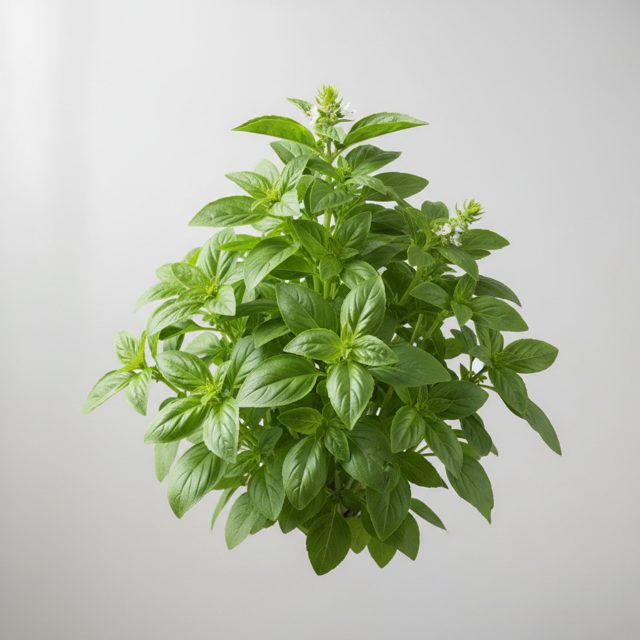
Imagine reaching for fresh basil or fragrant rosemary right from your kitchen counter, no matter the season. Starting an indoor herb garden is a delightful and rewarding way to bring greenery and flavor into your home. This guide will walk you through everything you need to know to cultivate a thriving indoor herb haven.
Why Grow Herbs Indoors?
Indoor herb gardens offer a plethora of benefits beyond just having fresh ingredients. They provide year-round access to your favorite flavors, eliminating the need for grocery store trips for often-wilting sprigs. This convenience means you're more likely to incorporate fresh, healthy ingredients into your cooking, enhancing the taste and nutritional value of your meals.
Beyond culinary advantages, indoor herbs contribute to a healthier home environment. Like other houseplants, they can improve air quality by absorbing carbon dioxide and releasing oxygen. Their vibrant green foliage also adds a touch of natural beauty and tranquility, boosting your mood and reducing stress. For those with limited outdoor space or living in colder climates, an indoor garden is the perfect solution to satisfy your green thumb.
Choosing Your Herbs: Beginner-Friendly Favorites
When selecting herbs for your indoor garden, consider varieties known for their ease of growth and frequent use in cooking. Starting with robust, adaptable plants will set you up for success and build your confidence. Think about the flavors you use most often in your culinary adventures to ensure your garden is both beautiful and practical.
Some excellent choices for beginners include basil, chives, mint, oregano, parsley, rosemary, and thyme. Basil is a classic for Italian dishes, though it prefers warmth and plenty of light. Chives are hardy and add a mild onion flavor. Mint is incredibly vigorous but can be invasive if not contained, making it perfect for a pot. Oregano and thyme are drought-tolerant once established and thrive with good light. Parsley, both curly and flat-leaf, is versatile but needs consistent moisture. Rosemary enjoys bright light and good air circulation.
- Basil: Needs warmth and bright light.
- Chives: Easy to grow, mild onion flavor.
- Mint: Vigorous, keep in its own pot.
- Oregano: Drought-tolerant, loves light.
- Parsley: Needs consistent moisture.
- Rosemary: Requires bright light and good air flow.
- Thyme: Similar to oregano, hardy.
Light Requirements: The Sun's the Star
Light is arguably the most critical factor for a successful indoor herb garden. Most herbs, particularly culinary varieties, are sun-worshippers, requiring at least 6-8 hours of direct sunlight per day. Without adequate light, herbs will become leggy, pale, and lose their robust flavor.
A south-facing window is often ideal for providing the intense light herbs crave. East or west-facing windows can also work, but may require supplementing with artificial light, especially during shorter winter days. If natural light is limited, don't despair! Grow lights, such as LED or fluorescent shop lights, can mimic sunlight effectively. Position them 6-12 inches above your plants for 12-16 hours daily, ensuring even growth and strong flavor development.
Potting and Soil: Setting Up for Success
Choosing the right pots and soil is fundamental for healthy root development and overall plant vigor. Herbs thrive in well-draining conditions, so select pots with drainage holes at the bottom. Terracotta pots are excellent as they allow for better air circulation to the roots and help prevent overwatering by wicking away excess moisture. If you prefer plastic or ceramic, just be extra vigilant with your watering.
The size of the pot should accommodate the herb's mature size. Generally, a pot at least 6 inches in diameter is a good starting point for most individual herbs. For soil, opt for a high-quality potting mix specifically designed for containers. This type of soil is usually lighter, aerated, and drains well, preventing root rot. Avoid using garden soil, which can be too heavy and compact for potted plants and may harbor pests or diseases.
Watering and Feeding: Nurturing Your Greenery
Proper watering is key to preventing common indoor herb problems. Overwatering is a more frequent killer of houseplants than underwatering. Always check the soil moisture before watering; stick your finger about an inch or two into the soil. If it feels dry, it's time to water. Water thoroughly until you see water draining from the bottom of the pot, then discard any excess water from the saucer. This ensures all roots receive moisture and prevents them from sitting in soggy conditions.
Herbs are not heavy feeders, but a little nourishment goes a long way, especially since they're contained in pots. During their active growing season (spring and summer), you can feed them every 2-4 weeks with a diluted liquid organic fertilizer, following the product's instructions. Reduce or stop fertilizing during the colder months when plant growth naturally slows down. Remember that too much fertilizer can burn roots and lead to leggy growth.
Harvesting and Pruning: Encourage Bushy Growth
Regular harvesting and pruning are not just for collecting delicious herbs; they are crucial for maintaining the health and productivity of your plants. When you harvest correctly, you encourage the plant to grow bushier and produce more leaves, rather than becoming leggy and producing fewer, smaller leaves.
To harvest, snip off the top few inches of a stem, just above a leaf node (where leaves branch off). This promotes new growth from the node. Avoid taking more than a third of the plant at once to prevent shocking it. For herbs like basil, pinch off flower buds as soon as they appear, as flowering often signals the end of the plant's life cycle and can make leaves bitter. Consistent harvesting means a continuous supply of fresh herbs for your kitchen.
Troubleshooting and Ongoing Care
Even with the best intentions, you might encounter a few hiccups. Yellowing leaves can indicate overwatering or nutrient deficiency. Drooping leaves might mean underwatering or, ironically, also overwatering. Always check the soil moisture first. Leggy growth usually points to insufficient light, while small, pale leaves suggest a need for more light or nutrients.
Pests are less common indoors but can occasionally appear. Keep an eye out for common houseplant pests like aphids, spider mites, or whiteflies. If you spot them, isolate the plant and treat it with insecticidal soap or neem oil. With consistent care and attention to your herbs' needs, your indoor garden will flourish. And if you ever need a hand identifying a plant or setting care reminders, PlantBetter can be a great tool to keep your green friends thriving.
Key takeaway
Starting an indoor herb garden is an accessible and rewarding endeavor that brings fresh flavors and greenery into your home year-round with just a few key steps: proper light, well-draining soil, mindful watering, and consistent harvesting.
Let PlantBetter help
PlantBetter identifies your plant from a photo and builds a care plan with reminders, so you always know what it needs next.