
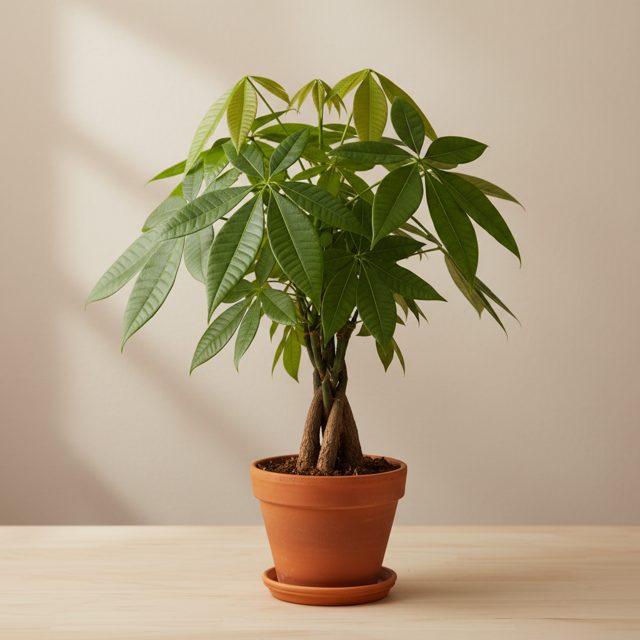
Houseplants bring life, beauty, and a touch of nature into our homes. To truly thrive, these green companions often need more than just light and water – they need nutrients. Fertilizing correctly can transform a struggling plant into a lush, vibrant specimen, but knowing how and when to do it (and, crucially, when not to) is key. Let's delve into the art and science of feeding your indoor plants.
Why Fertilize Your Houseplants?
Unlike outdoor plants that draw nutrients from vast soil reserves, houseplants are confined to pots with limited soil volume. Over time, watering leaches essential minerals, and the plant itself consumes what's available. Without replenishment, nutrient deficiencies can lead to stunted growth, yellowing leaves, poor flowering, and increased susceptibility to pests and diseases.
Fertilizer provides the macronutrients (Nitrogen, Phosphorus, Potassium – NPK) and micronutrients (iron, magnesium, zinc, etc.) that are vital for all plant processes. Nitrogen promotes lush foliage growth, phosphorus supports root development and flowering, and potassium aids in overall plant health and resilience. Understanding these basic building blocks is the first step to successful plant nutrition.
Recognizing When Your Plant Needs Food
While a regular feeding schedule is important, your plant might show signs it's hungry. Slowed or stunted growth, pale or yellowing leaves (especially older ones), weak stems, and a lack of flowering are all common indicators of nutrient deficiency. However, be careful not to confuse these with symptoms of overwatering, underwatering, or pest infestations.
Conversely, if your plant is growing robustly, has healthy, green foliage, and is flowering as expected, it might not need additional fertilizer right at that moment. Observation is key; learn to read your plant's signals rather than rigidly sticking to a schedule without considering its current state.
Choosing the Right Fertilizer
The market offers a bewildering array of fertilizers, but for most houseplants, a balanced liquid fertilizer with an NPK ratio like 10-10-10 or 20-20-20, or something similar, is a good starting point. Many plant-specific fertilizers exist (e.g., for orchids, succulents, or African violets), which cater to their particular needs. Slow-release granular fertilizers are also an option, releasing nutrients gradually over months.
Always read the label carefully. Organic fertilizers, like worm castings or fish emulsion, can also be beneficial, improving soil health in addition to providing nutrients. While beneficial, they often have a less precise nutrient balance and can sometimes have a distinct odor. For the average houseplant enthusiast, a good quality liquid synthetic fertilizer is often the most convenient and effective choice.
How to Fertilize (The Right Way)
Dilution is crucial. Most liquid fertilizers are concentrated, and applying them at full strength can burn your plant's roots, causing more harm than good. A common recommendation is to dilute the fertilizer to half or even quarter strength, especially if you're fertilizing more frequently.
Always water your plant thoroughly before fertilizing. Applying fertilizer to dry soil can shock the roots and make them more susceptible to burn. After watering, apply the diluted fertilizer evenly around the base of the plant, ensuring it reaches the roots. Avoid getting fertilizer on the leaves, as this can also cause burn marks.
When to Fertilize (and When Not To)
The general rule of thumb is to fertilize during the plant's active growing season, which for most houseplants is spring and summer. This is when they are actively producing new leaves, stems, and flowers, and thus require more nutrients. Fertilize every 2-4 weeks during this period, depending on the plant's needs and the fertilizer's strength.
Conversely, avoid fertilizing in fall and winter. Most houseplants enter a period of dormancy or significantly slowed growth during these months due to shorter days and lower light levels. Fertilizing during dormancy can lead to a build-up of salts in the soil, which can damage roots and harm the plant. Resume fertilization in spring when you see new growth emerging. Never fertilize a plant that is stressed, sick, newly repotted, or has dry soil – address these issues first.
The PlantBetter app can help you identify your plants and then set up customized care reminders, including when to fertilize, so you never miss a feeding or accidentally overfeed during dormancy.
Common Fertilizing Mistakes to Avoid
Over-fertilizing is one of the most common mistakes and often more damaging than under-fertilizing. Signs include yellowing leaf tips or edges, stunted growth, wilting, and a crust of white salts on the soil surface or pot rim. If you suspect over-fertilization, flush the soil by pouring a large amount of plain water through the pot several times to wash out excess salts.
Using the wrong type of fertilizer can also be problematic. A high-nitrogen fertilizer on a flowering plant might give you lush leaves but fewer blooms. Not diluting enough, fertilizing dry plants, or fertilizing dormant plants are other frequent errors. Consistency and moderation are far more beneficial than infrequent, heavy doses. Remember, a little goes a long way.
The Long-Term Benefits of Proper Nutrition
When you consistently provide your houseplants with the nutrients they need, you'll notice a remarkable difference. They'll exhibit more robust growth, more vibrant and consistently colored foliage, stronger resistance to pests and diseases, and an abundance of blooms (for flowering varieties). It's an investment in the longevity and beauty of your indoor garden.
Think of fertilizing as providing a balanced diet for your plants. Just as a healthy diet supports human well-being, proper fertilization ensures your houseplants are strong, resilient, and beautiful, gracing your home with their natural charm for years to come.
Key takeaway
Effective houseplant fertilization means understanding your plant's needs, choosing the right products, and applying them correctly and at the right time. Avoid over-fertilizing and always prioritize plant health over strict schedules.
Let PlantBetter help
PlantBetter identifies your plant from a photo and builds a care plan with reminders, so you always know what it needs next.