
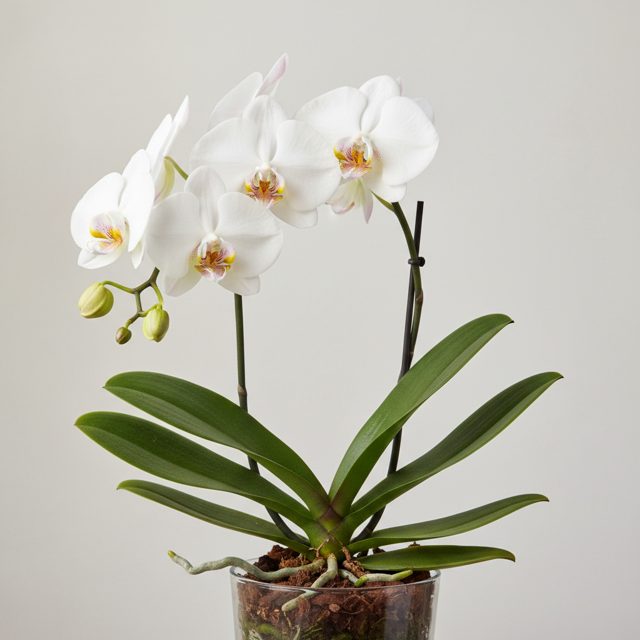
Orchids are among the most captivating houseplants, gracing our homes with their stunning and exotic blooms. While their ethereal beauty might suggest they are high-maintenance, many common orchid varieties are surprisingly resilient. The key to successful orchid care, and more importantly, getting them to rebloom year after year, lies in understanding their specific needs and mimicking their natural environment. This guide will walk you through the essential steps to keep your orchids healthy and encourage those beautiful flowers to return.
Understanding Your Orchid: Know Its Type
Before you even begin caring for your orchid, it's crucial to identify its type. The most common orchids found in homes are Phalaenopsis (Moth Orchids), Cattleya, Oncidium, and Dendrobium. Each of these has slightly different preferences regarding light, temperature, and watering. For instance, Phalaenopsis orchids prefer bright, indirect light and don't tolerate drying out completely, while some Dendrobiums require a distinct dormant period with cooler temperatures.
If you're unsure what type of orchid you have, don't worry! The PlantBetter app can help you identify your specific orchid variety instantly, providing a personalized care plan to get you started on the right foot.
Light: The Foundation of Flower Power
Light is arguably the most critical factor for orchid reblooming. Most orchids, especially Phalaenopsis, thrive in bright, indirect light. Think of the light quality near an east-facing window, or a shaded south or west-facing window. Too little light, and your orchid won't have the energy to produce flower spikes. Too much direct sun can scorch its leaves, leaving them discolored and damaged.
Observe your orchid's leaves. Healthy leaves should be a medium green. Dark green leaves might indicate insufficient light, while yellowish or reddish-tinged leaves could mean too much direct sun. Adjust its placement accordingly, rotating it periodically to ensure even light exposure.
Watering Wisely: It's All About Timing
Overwatering is the number one killer of orchids. Orchids typically prefer to dry out somewhat between waterings, but should not remain bone dry for extended periods. The best way to determine when to water is by feeling the potting mix. For orchids in bark, lift the pot to gauge its weight – a lighter pot often means it's dry. You can also insert a finger about an inch deep into the potting mix. If it feels dry, it's time to water.
When you do water, do so thoroughly. Place the orchid in a sink and let room-temperature water run through its potting mix for several minutes, ensuring all the roots are saturated. Allow all excess water to drain completely before returning it to its decorative pot. Never let your orchid sit in standing water, as this leads to root rot. The frequency of watering depends on your home's humidity, the potting medium, and the orchid type, but typically ranges from once a week to once every two weeks for most household orchids.
Humidity and Air Circulation: Mimicking the Tropics
Most orchids are epiphytes, meaning they naturally grow on trees in tropical climates, drawing moisture from the humid air. This means they appreciate high humidity, ideally between 50-70%. Indoor environments, especially during winter with heating or air conditioning, can be quite dry. To increase humidity, consider placing a humidifier near your orchids, or set their pots on a pebble tray filled with water (making sure the pot isn't sitting directly in the water).
Good air circulation is equally important to prevent fungal diseases, especially in humid conditions. Avoid placing orchids in stagnant corners. A gentle fan can help, but ensure it's not blowing directly on the plants. Proper ventilation helps mimic the gentle breezes of their natural habitat.
Fertilizing for Growth and Blooms
Orchids are not heavy feeders, but consistent fertilization during their active growth phase can significantly contribute to their vigor and ability to rebloom. Use a balanced orchid-specific fertilizer, typically diluted to half or quarter strength, every two to four weeks. During the flowering period, you might switch to a fertilizer with a higher phosphorus content to encourage more blooms.
It's crucial to flush your orchid's potting medium with plain water periodically (e.g., once a month) to prevent the buildup of fertilizer salts, which can burn the roots. Remember, it's always better to under-fertilize than over-fertilize.
The Dormancy and Reblooming Cycle: Patience Pays Off
For many orchid types, especially Phalaenopsis, a slight drop in nighttime temperatures is the key trigger for reblooming. After your orchid finishes flowering, it enters a rest period. During this time, continue with regular care, but perhaps slightly reduce watering frequency. Once the old flower spike has completely withered, you can cut it back to just above a node (a small bump on the stem) or remove it entirely if it's brown.
To encourage a new flower spike, try moving your orchid to a location where nighttime temperatures are consistently 10-15°F cooler than daytime temperatures for several weeks (e.g., 55-60°F at night, 65-75°F during the day). This temperature differential often mimics the onset of their natural blooming season. Be patient, as it can take several weeks or even months for a new spike to emerge. Continue consistent light, watering, and occasional feeding during this period. Once you spot a new spike, you can resume normal, warmer temperatures.
Repotting: A Fresh Start
Orchids typically need repotting every one to two years, or when their potting medium breaks down, becoming mushy or compact. This is essential for root health, as decaying media can suffocate roots and prevent proper air circulation. Choose an appropriate orchid potting mix, usually composed of bark, sphagnum moss, charcoal, or perlite, designed for good drainage and aeration.
When repotting, gently remove the orchid from its old pot, carefully trim any dead or decaying roots (they will be brown and soft), and place it in a slightly larger pot if needed, filling around the roots with fresh medium. Avoid over-potting, as orchids prefer to be somewhat snug. After repotting, hold off on watering for a few days to allow any root wounds to heal, then resume your regular watering schedule. The PlantBetter app can even send you reminders for repotting, making sure your orchid gets a fresh start when it needs it most.
Key takeaway
Caring for orchids and encouraging them to rebloom is a rewarding experience that hinges on understanding their specific needs for light, water, humidity, and temperature. With a little patience and consistent effort, you can enjoy their exquisite flowers for many years to come.
Let PlantBetter help
PlantBetter identifies your plant from a photo and builds a care plan with reminders, so you always know what it needs next.