
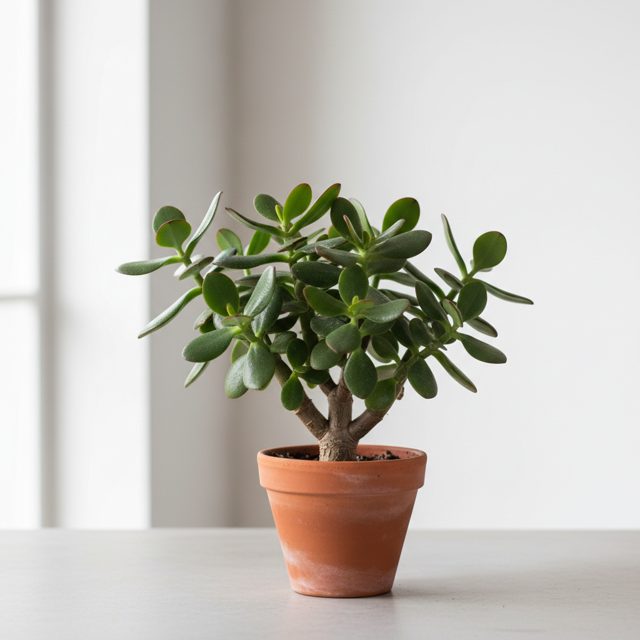
The journey of successful plant parenting often begins before you even bring your new green friend home. Two of the most critical decisions you'll make are choosing the right pot and the appropriate soil mix. These foundational choices directly impact your plant's ability to absorb nutrients, regulate moisture, and establish a strong root system, setting the stage for its long-term health and vitality.
Understanding Pot Materials: What's Best for Your Plant?
Pot materials play a significant role in how often you need to water and how much air reaches your plant's roots. Each material has unique properties that can either benefit or hinder specific plant types. Taking a moment to consider the environment you're placing your plant in and your watering habits can make all the difference in selecting the ideal container material.
For instance, if you're a beginner or tend to overwater, opting for materials that promote quicker water evaporation can be a lifesaver for your plant's roots. Conversely, if you live in a very dry climate or forget to water occasionally, a less porous material might be more forgiving and keep your plant hydrated longer.
Consider your plant's specific needs. Does it prefer consistently moist soil, or does it thrive when its roots get a chance to dry out between waterings? Matching the pot material to these preferences is key to preventing common issues like root rot or dehydration.
- Terracotta/Unglazed Clay: Highly porous, allows soil to dry out quickly. Excellent for cacti, succulents, and plants prone to root rot. Can wick moisture from the soil rapidly in hot, dry conditions.
- Ceramic/Glazed Pots: Less porous than terracotta, retains moisture longer. Good for moisture-loving plants like ferns or peace lilies. Ensure adequate drainage holes.
- Plastic: Lightweight, inexpensive, and retains moisture well. Ideal for plants that need consistent moisture or for starting seedlings. Can become brittle over time and may not offer the best insulation from temperature extremes.
- Wood/Fabric Grow Bags: Breathable, offers good aeration, and prevents root circling (air pruning). Fabric bags promote excellent drainage. Wooden planters offer aesthetic appeal and good insulation, but can decompose over time.
The Importance of Pot Size: Not Too Big, Not Too Small
The size of your plant's pot is just as crucial as its material. A common misconception is that bigger is always better, but this often leads to overwatering and root rot. When a plant is in a pot that’s too large, the excess soil holds onto more moisture than the roots can absorb, creating a perpetually damp environment that suffocates roots and encourages fungal growth.
Conversely, a pot that’s too small will restrict root growth, leading to a root-bound plant that struggles to take up water and nutrients effectively. You'll notice your plant wilting frequently, even shortly after watering, or water running straight through the pot without being absorbed. A good rule of thumb is to choose a pot that is approximately 1-2 inches wider than the current root ball for smaller plants, and 2-4 inches wider for larger plants when repotting.
Observe your plant's growth. If roots are circling around the bottom or coming out of the drainage holes, it's a clear sign it's time for an upgrade. When repotting, only go up one size at a time to avoid shocking the plant and providing too much excess soil volume.
Drainage Holes: Non-Negotiable for Healthy Roots
This might seem obvious, but proper drainage is perhaps the single most critical factor for preventing root rot and ensuring long-term plant health. Without drainage holes, excess water has nowhere to go, sitting at the bottom of the pot and creating a waterlogged environment where roots cannot breathe. This lack of oxygen quickly leads to root decay, a common killer of houseplants.
Always choose pots with at least one drainage hole at the bottom. If you fall in love with a decorative pot that lacks drainage, you can still use it by either drilling holes (if the material allows) or using it as a cachepot. A cachepot is a decorative outer pot where you place your plant in its primary, well-draining nursery pot. This allows you to easily remove the plant for watering and ensures any excess water drains away before returning it to the decorative container. Never let your plant sit in standing water within a cachepot for extended periods.
The Foundation: Understanding Potting Mix Components
Just like a house needs a strong foundation, your plant needs a high-quality potting mix to thrive. Potting mix is not just dirt from your garden; it's a carefully formulated blend of various components designed to provide aeration, moisture retention, and nutrients. Garden soil is often too dense, can compact easily, and may harbor pests or diseases that are unsuitable for indoor environments.
A good potting mix should achieve a balance: it needs to hold enough moisture for the plant to absorb, but also allow excess water to drain away freely and provide ample air pockets for root respiration. Different plants have different requirements, but understanding the basic components will help you select or even create the perfect blend.
- Peat Moss/Coco Coir: Retains moisture and nutrients. Coco coir is a sustainable alternative to peat.
- Perlite/Pumice: Provides aeration and improves drainage, preventing compaction. Lightweight volcanic minerals.
- Vermiculite: Retains moisture and nutrients, also provides aeration. Expands when wet.
- Pine Bark/Orchid Bark: Creates air pockets, improves drainage, and is especially good for epiphytic plants like orchids and aroids.
- Compost/Worm Castings: Adds essential nutrients and beneficial microbes.
Tailoring Soil for Specific Plant Needs
One-size-fits-all potting soil rarely works for every plant. The key to success is understanding your plant's native environment and replicating those soil conditions as closely as possible. For instance, a desert cactus requires vastly different soil than a tropical fern. Using the wrong soil mix can quickly lead to stress, disease, or even death.
For succulents and cacti, a fast-draining mix is essential. These plants are adapted to arid conditions and require soil that dries out quickly to prevent root rot. On the other hand, moisture-loving plants need a mix that retains water longer while still providing good aeration. Tropical plants often benefit from mixes with more organic matter that mimic the rich, humid forest floor.
Don't hesitate to amend commercial potting mixes to suit your plant's specific needs. For example, you can add extra perlite or pumice to a standard potting mix for succulents, or blend in more coco coir and compost for plants that prefer consistently moist conditions. If you're unsure about your plant's specific soil needs, the PlantBetter app can help identify your plant and often provides care tips, including soil preferences.
- General-Purpose Mix: Good for many common houseplants, often a blend of peat/coco coir, perlite/vermiculite, and compost.
- Cactus & Succulent Mix: Gritty, fast-draining with high proportions of perlite, pumice, sand, and less organic matter.
- Orchid Mix: Very coarse, primarily bark chips, perlite, and charcoal, designed for excellent air circulation.
- Aroid Mix: For Monstera, Philodendron, etc. – very chunky with bark, perlite, coco coir, and worm castings for drainage and aeration.
Repotting: When and How to Refresh Your Plant's Home
Repotting isn't just about giving your plant more space; it's also an opportunity to refresh the soil. Over time, potting mix degrades, losing its structure and nutrient content. It becomes more compacted, reducing aeration and drainage, and beneficial nutrients are depleted. This makes it harder for roots to thrive and for the plant to absorb what it needs. A good rule of thumb is to repot most houseplants every 1-2 years, or when signs of being root-bound appear.
When repotting, gently remove the plant from its current container and inspect the root ball. Loosen any circling roots and remove any dead or mushy ones. Place a small layer of fresh potting mix at the bottom of the new pot, set your plant in, and fill the remaining space with new soil, leaving about an inch of space from the rim. Water thoroughly after repotting to help settle the soil and reduce transplant shock. The best time to repot is usually in spring or early summer when the plant is actively growing.
Key takeaway
Choosing the right pot and soil is fundamental for your plant's well-being, influencing everything from hydration to nutrient uptake. By understanding material properties, proper sizing, drainage, and tailored soil mixes, you can create the perfect environment for your plants to thrive.
Let PlantBetter help
PlantBetter identifies your plant from a photo and builds a care plan with reminders, so you always know what it needs next.