
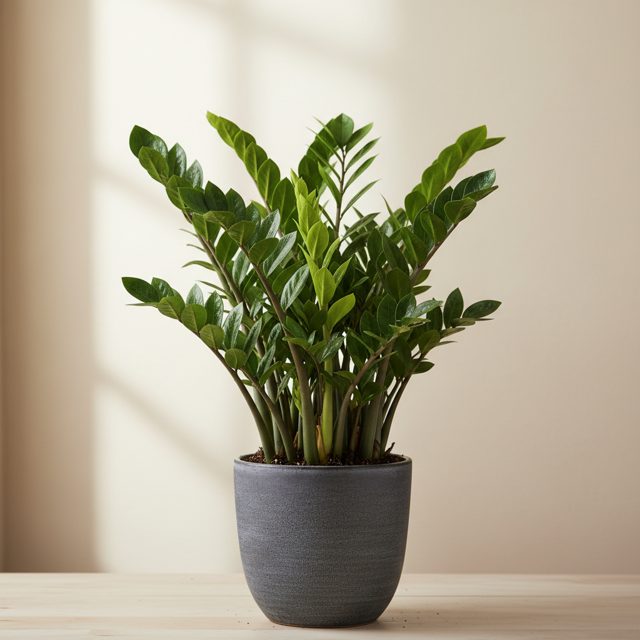
Embarking on your plant parenthood journey can feel daunting, but it doesn't have to be. Many plants are incredibly forgiving, thriving even with minimal attention and less-than-perfect conditions. Forget your fears of plant murder; these resilient beauties are here to prove that everyone can have a green thumb. We've compiled a list of 12 'nearly unkillable' plants that are perfect for beginners, offering both beauty and a boost of confidence.
1. Snake Plant (Sansevieria trifasciata)
The Snake Plant, also known as Mother-in-Law's Tongue, is legendary for its resilience. It tolerates low light, infrequent watering, and even a bit of neglect, making it ideal for busy individuals or those who frequently forget watering. Its striking, upright leaves add a modern touch to any decor, and it's also excellent at purifying air.
Watering is perhaps the most crucial care aspect for a Snake Plant: err on the side of underwatering. Allow the soil to dry out completely between waterings, which might be every 2-4 weeks depending on light and humidity. They can handle a range of light conditions, from low to bright indirect, but prefer brighter light for optimal growth. Avoid overwatering at all costs, as this is the quickest way to send a Snake Plant to an early demise through root rot.
2. ZZ Plant (Zamioculcas zamiifolia)
The ZZ Plant is another champion of neglect. With its glossy, dark green leaves and architectural form, it's a stylish addition to any home or office. It can thrive in incredibly low light conditions, making it suitable for even the dimmest corners. Its thick rhizomes store water, allowing it to go for long periods without a drink.
Similar to the Snake Plant, the ZZ Plant's biggest enemy is overwatering. Water only when the soil is bone dry, which could mean once a month or even less frequently in lower light. It's incredibly drought-tolerant. While it can tolerate low light, brighter indirect light will encourage more robust growth. Dust its leaves occasionally to keep them shining.
3. Pothos (Epipremnum aureum)
Pothos, often called Devil's Ivy, is a classic for a reason. This vining plant is incredibly adaptable and forgiving. It comes in various cultivars, like 'Marble Queen' with white variegation or 'Neon' with bright yellow-green leaves. Its trailing nature makes it perfect for hanging baskets or shelves, where its vines can cascade beautifully.
Pothos can tolerate a wide range of light conditions, from low to bright indirect. In lower light, its variegation might become less pronounced. Water when the top few inches of soil feel dry; it will often tell you it's thirsty by drooping slightly. If you notice yellowing leaves, you might be overwatering. It’s also very easy to propagate from cuttings, allowing you to share its beauty with friends.
4. Spider Plant (Chlorophytum comosum)
Spider Plants are cheerful, easy-to-grow plants known for their arching leaves and numerous 'spiderettes' or plantlets that dangle from the mother plant. These plantlets can be easily removed and propagated, making the Spider Plant an excellent choice for expanding your collection or sharing with others. They are also non-toxic to pets, which is a big plus for many homes.
These plants prefer bright, indirect light but can tolerate lower light conditions. Water thoroughly when the top inch or two of soil is dry, usually once a week or every 10 days. If the tips of the leaves turn brown, it might be due to fluoride in tap water or inconsistent watering. Using filtered water or allowing tap water to sit overnight can help. High humidity is appreciated but not strictly necessary.
5. Cast Iron Plant (Aspidistra elatior)
As its name suggests, the Cast Iron Plant is incredibly tough and resilient. It can withstand significant neglect, low light, fluctuating temperatures, and even poor soil conditions. Its dark green, leathery leaves grow upright, giving it a strong, architectural presence. This plant is perfect for those really challenging spots where other plants fail to thrive.
The Cast Iron Plant prefers low to medium indirect light; direct sunlight can scorch its leaves. It's best to allow the soil to dry out completely between waterings, as it's more susceptible to root rot than underwatering. Fertilize sparingly, if at all, and only during the growing season. Its slow growth rate means it won't outgrow its spot quickly, requiring less frequent repotting.
6. Succulents & Cacti
While a broad category, many succulents and cacti are famously low-maintenance due to their ability to store water in their leaves, stems, or roots. Echeveria, Haworthia, and various Cacti species are excellent choices for beginners. Their diverse forms and textures add visual interest and often produce beautiful, albeit sometimes fleeting, blooms.
The key to success with succulents and cacti is ample light and minimal watering. They need bright, direct light for at least 4-6 hours a day; a south-facing window is often ideal. Water deeply but infrequently, only when the soil is completely dry, typically every 2-4 weeks, or even longer in cooler months. Use a well-draining succulent or cactus mix to prevent waterlogged roots. With PlantBetter, you can easily identify different types of succulents and get specific care instructions to ensure they thrive.
7. Air Plant (Tillandsia)
Air Plants are unique in that they don't require soil, absorbing nutrients and moisture directly from the air through specialized scales on their leaves. This makes them incredibly versatile for decor, as they can be displayed in terrariums, on shelves, or mounted on various surfaces. They offer a touch of exotic appeal with minimal fuss.
Care for air plants typically involves misting them several times a week or soaking them in room-temperature water for 20-30 minutes once a week. After soaking, gently shake off excess water and allow them to dry completely to prevent rot. They prefer bright, indirect light and good air circulation. Avoid placing them in direct sunlight, especially in hot climates, as they can dry out too quickly.
Key takeaway
Starting your plant collection with these resilient species sets you up for success and allows you to enjoy the beauty of nature indoors without constant worry. With PlantBetter, you can identify your new green friends and set up tailored care reminders, making your plant journey even easier and more rewarding.
Let PlantBetter help
PlantBetter identifies your plant from a photo and builds a care plan with reminders, so you always know what it needs next.